

|
Getting your Trinity Audio player ready...
|
Pakistan Airstrike News
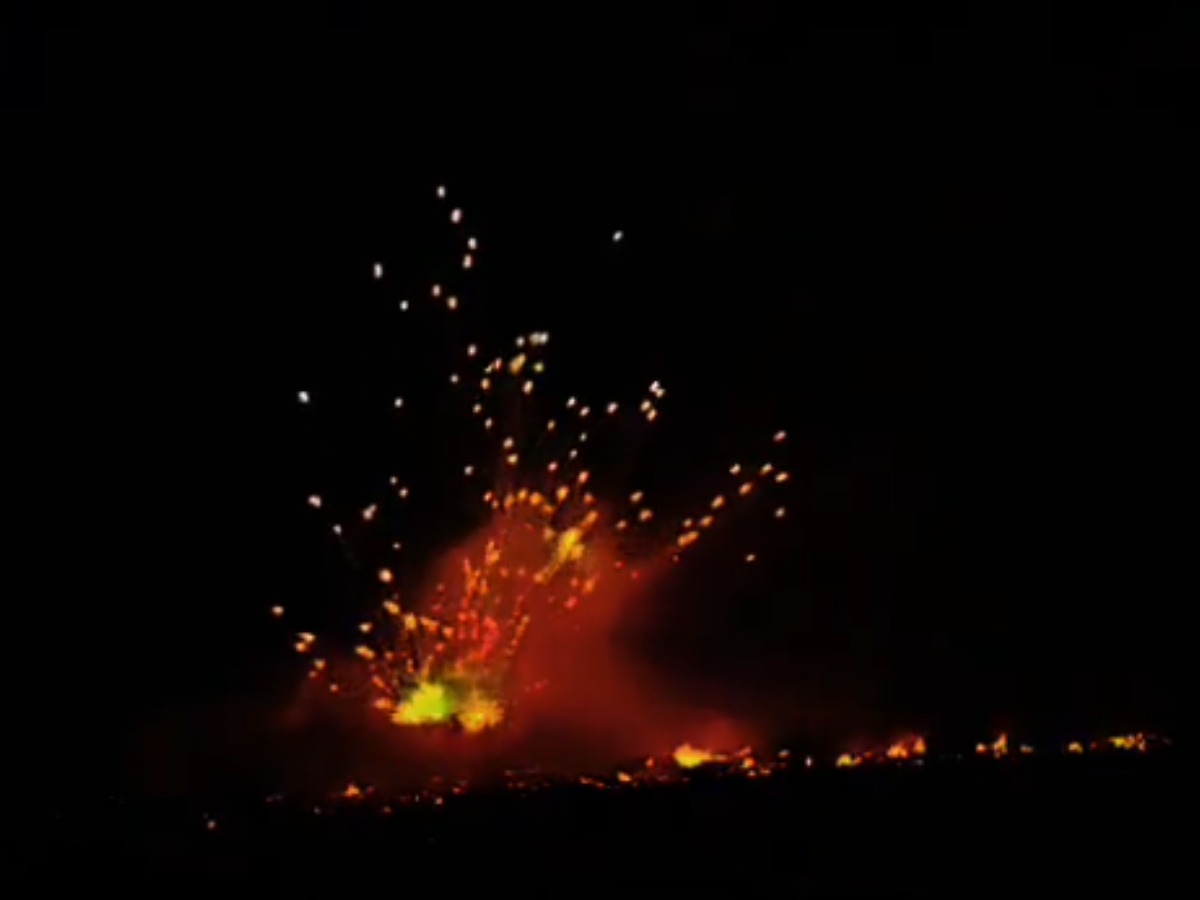
In a shocking development, Pakistan launched airstrikes inside Afghanistan just hours after agreeing to a 48-hour ceasefire extension, reigniting tensions along the already volatile border. The strikes reportedly targeted areas in Afghanistan’s Paktika province, including the Arghun and Barmal districts, located near the Durand Line a region often marred by cross-border violence and militant activity.
According to local sources, several residential areas were hit during the air raids. While there has been no official confirmation of civilian casualties, early reports suggest the strikes caused significant panic among residents. The Taliban administration in Kabul strongly condemned the attack, accusing Pakistan of violating the truce and acting in bad faith. The group said the move not only undermines the ceasefire but also endangers ongoing peace efforts.
The timing of the attack has further escalated diplomatic tensions between the two nations. Pakistan’s delegation had just arrived in Doha, Qatar, for renewed peace talks aimed at stabilizing relations and addressing security concerns along the border. The Taliban’s representatives were expected to join the talks shortly, but the sudden airstrikes have now cast a shadow over the process. Political analysts say the offensive could derail fragile trust and worsen the already strained relationship between Islamabad and Kabul.
Pakistan, on the other hand, maintains that it has a right to act against terrorist elements operating from Afghan soil, particularly the Tehreek-e-Taliban Pakistan (TTP). Islamabad has repeatedly accused the Taliban of harboring TTP militants responsible for recent attacks inside Pakistan. However, Afghan authorities have dismissed these allegations, saying Pakistan is using military aggression as a cover for its own internal security failures.
This latest episode is part of a long pattern of mutual distrust between the two neighbors. Since the Taliban’s return to power in 2021, Pakistan-Afghanistan relations have alternated between cooperation and confrontation. Recent weeks saw heavy cross-border shelling and skirmishes that killed and injured several people on both sides. The 48-hour ceasefire, extended earlier this week, had raised hopes of a temporary calm now shattered by Pakistan’s sudden military action.
Observers warn that the consequences could be serious. The Taliban may retaliate, further escalating violence across the border. The airstrikes could also strain regional diplomacy, particularly the peace talks facilitated by Qatar. Humanitarian agencies have expressed concern for civilians in border districts, who continue to live under the constant threat of air raids and gunfire.
Experts believe that Pakistan’s decision to strike despite the truce exposes deep cracks in its approach toward Afghanistan. “This is not just a military move; it’s a political message,” said one South Asian security analyst. “But it risks backfiring. Every breach of trust makes dialogue harder and peace more distant.”
The ceasefire, which was seen as a step toward normalizing relations, now stands on the brink of collapse. Both nations accuse each other of violations, while the real victims, ordinary civilians, continue to pay the price of a conflict they did not start. As diplomatic channels scramble to control the fallout, the renewed violence has once again shown how fragile peace remains in this region. With airstrikes launched within hours of a truce, Pakistan and Afghanistan appear trapped in a cycle of mistrust that neither side seems ready to break.