

|
Getting your Trinity Audio player ready...
|
Haq Movie – Shah Bano Case News
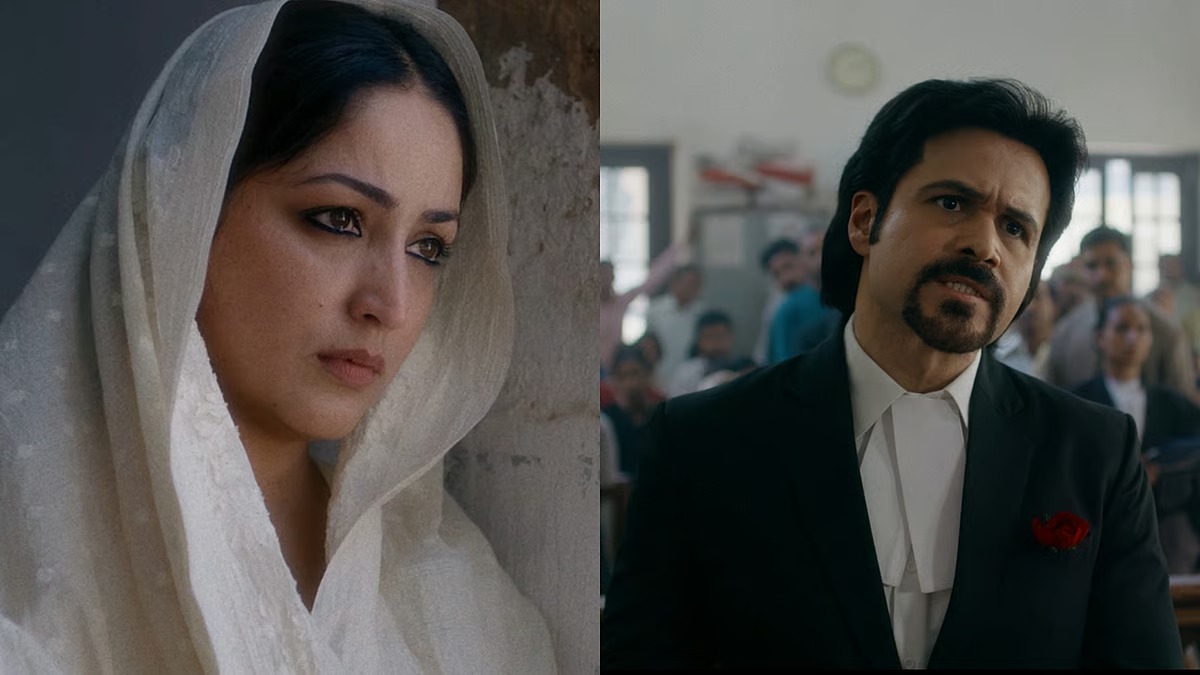
A new film titled Haq is shining light again on one of India’s most pivotal legal battles, the Shah Bano case thereby stirring up questions about the rights of Muslim women, personal law and the promise of equality. The story behind the court judgments, the laws, and the social ripples still echoes today.
The Story Before the Screen
In 1978, a 62-year-old woman from Indore named Shah Bano Begum found herself divorced after forty-odd years of marriage. With no means to support herself, she approached the courts to claim maintenance from her former husband under Section 125 of the Code of Criminal Procedure (CrPC) which is a secular law requiring a person with means to support their wife if she cannot maintain herself. The man contested that under Muslim personal law his duty ended after the waiting period (iddat), so he should not pay beyond that. The matter rose all the way to the Supreme Court of India.
In April 1985, a five-judge bench delivered a unanimous verdict in favour of Shah Bano. The Court held that Section 125 of the CrPC applied to all citizens regardless of religion, and that a divorced Muslim woman unable to support herself could claim maintenance from her former husband even after iddat period. The judgment emphasised that the secular law did not conflict with religion when it pursued the mandate of human dignity and basic rights.
The Backlash and Legal Shift
The ruling triggered fierce protests from some religious groups who viewed it as interference in Muslim personal law. The political storm was swift. Within a year, Parliament enacted the Muslim Women (Protection of Rights on Divorce) Act 1986. The new law limited the husband’s liability to provide “reasonable and fair provision” during iddat, and placed the maintenance responsibility post-iddat on the woman’s relatives or the Waqf Board.
Over time, questions persisted about whether Muslim women still retained the right to use Section 125 of the CrPC. In 2024, the Supreme Court clarified in the Mohd Abdul Samad vs State of Telangana case that the 1986 Act does not exclude the secular remedy; a divorced Muslim woman can still seek maintenance under Section 125, or under the 1986 Act, or both.
The whole point of the film and the debate
Haq, starring well-known actors, draws inspiration from the Shah Bano case and uses its resonance to raise conversations about gender, religion and law. Its release comes amid growing public interest in how personal laws intersect with constitutional rights. The film has also sparked criticism: the daughter of the original complainant has alleged that the filmmakers did not seek formal permission to use her mother’s story.
What’s relevant today:
- The case is a landmark in understanding how India balances secular laws and religious personal laws.
- It highlights the long journey of rights for Muslim women from prohibition to recognition of choice.
- The film acts as a cultural touch-point, reminding audiences that legal changes often follow public debate and social activism.
- It also poses current-day questions: Are women fully aware of their rights? Are laws effectively implemented? Do personal laws adapt to modern-day realities?
The Larger Implication
The Shah Bano judgment didn’t just impact one woman, it became a turning point for thinking about a Uniform Civil Code (UCC), the role of Parliament in personal law, and the right of women to be supported after divorce. It showed how a legal case can ripple into politics, religion and social policy.
Today, when Haq brings this story back into public view, it gives us an opportunity to revisit: How far have we come? How far do we need to go? Whether you are aware of the legal details or not, the story speaks to the core of human dignity and fairness in a plural country.