
|
Getting your Trinity Audio player ready...
|
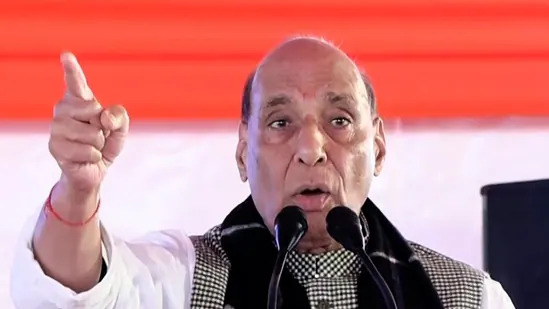
India’s Defence Minister Rajnath Singh has triggered a major national and diplomatic conversation with his recent remark that “borders can change” and that Sindh, currently in Pakistan, “may return to India again” someday. His statement, delivered at a gathering of the Sindhi community in New Delhi, has immediately drawn attention across political, strategic and cultural circles.
The comment blends history, identity and geopolitics and is being seen as one of the most striking public references to Sindh’s pre-Partition connection to India made by a senior government leader in recent years.
What Rajnath Singh Said
Speaking about the historical ties between Sindh and India, Singh highlighted four key points:
- Sindh may not be part of India geographically today, but culturally and civilisationally it has always remained connected.
- He stated that “borders can change”, suggesting that geopolitical boundaries are not permanent.
- He hinted at the possibility that Sindh could return to India in the future, saying “Who knows, tomorrow Sindh may come back to India again.”
- He invoked the emotional and spiritual significance of the Sindhu (Indus) River, describing it as sacred for Indians and symbolic of ancient unity.
Singh also linked his message to the broader theme of protecting persecuted minority communities in the region, stressing the relevance of the Citizenship Amendment Act (CAA).
Why His Remark is Significant
The statement is notable for several reasons:
1. Touches a sensitive India–Pakistan subject
Any reference to changing borders between India and Pakistan is diplomatically sensitive. Even when made symbolically or historically, it creates strong reactions.
2. Sends a message about cultural and civilisational ties
By invoking Sindh’s heritage, Singh was speaking to the long-standing emotional ties many Sindhi-Hindus have to the region, especially families displaced during Partition.
3. Suggests a shift in tone, not policy
The remark doesn’t signal an official policy change, but it does reflect a bold and confident narrative emphasizing India’s historical identity and civilisational reach.
4. Creates political momentum domestically
For Indian audiences, especially Sindhi communities, the remark reinforces themes of pride, cultural belonging and historical unity.
What It Could Mean for India and the Region
Political analysts are now watching closely for possible ripple effects:
Diplomatic Reaction
Pakistan is expected to take note of the comment as it directly involves territory currently under its administration. Reactions could range from criticism to diplomatic statements.
Domestic Political Impact
Within India, the remark may strengthen support among Sindhi and other heritage-based communities. Opposition parties might question the intent or implications of the statement.
Historical Narrative & Identity Politics
By linking Sindh to cultural unity, the remark feeds into a growing discourse highlighting ancient Indian civilisational themes, something that plays strongly in current public sentiment.
Strategic Interpretation
While not a policy declaration, the statement will be dissected by security experts for signs of India’s emerging geopolitical posture in the region.
What Remains Unclear
- There is no official move or government plan regarding Sindh.
- No strategic proposal, timeline, or diplomatic roadmap was mentioned.
- The remark appears symbolic, aimed at cultural identity rather than literal border redrawing.
- Practical geopolitical boundary changes are highly complex and involve global legal frameworks.
At present, the statement should be viewed as a political and emotional message rather than a formal strategic direction.
What to Watch Next
Here are the key developments to follow:
- Whether Pakistan responds officially
- Reactions from India’s opposition parties
- Statements from Sindhi organisations and community leaders
- Any clarifications or follow-up comments from the government
- Media and think-tank analysis on its geopolitical significance
Parting Thoughts-
Rajnath Singh’s remark that “borders can change” and that Sindh may return to India brings together history, emotion, identity and politics in a single powerful statement. While it does not reflect an official policy position, it has already sparked major discussions on India’s civilisational narrative, geopolitics and regional diplomacy.
The coming days will determine whether the comment remains a symbolic cultural message or evolves into a larger political talking point.