
|
Getting your Trinity Audio player ready...
|
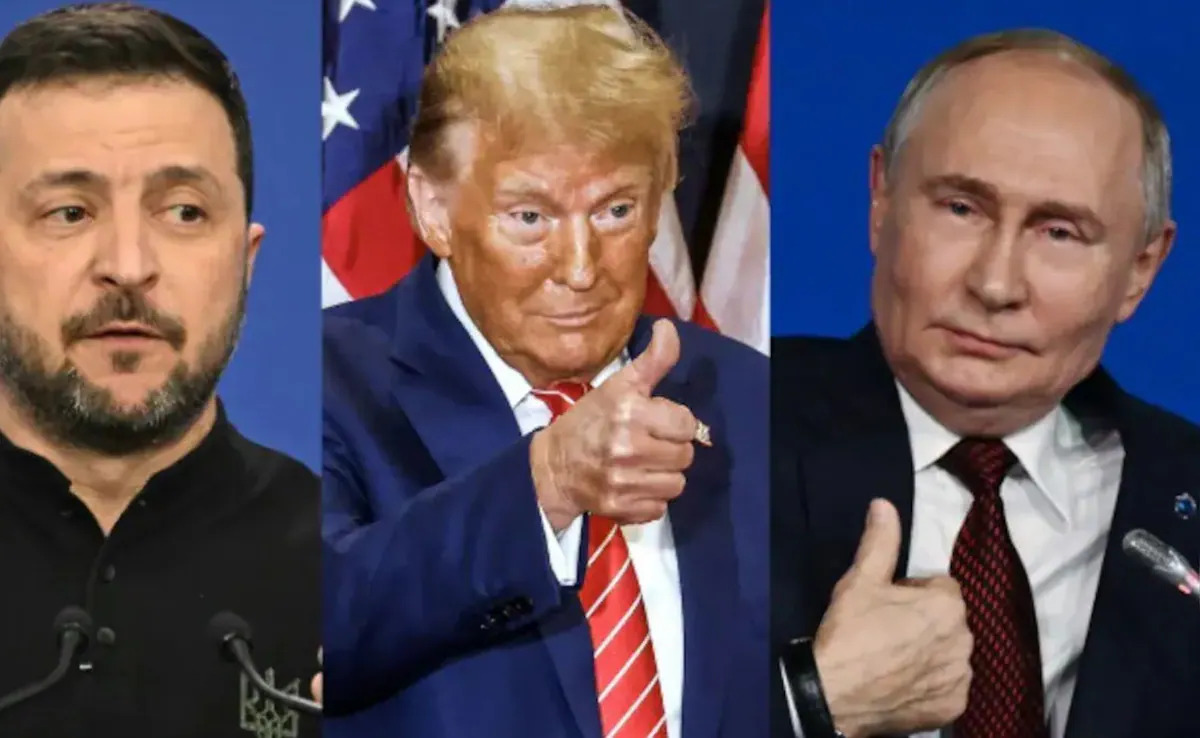
In a major diplomatic turn, Ukrainian President Volodymyr Zelensky has indicated that he is willing to hold “honest and constructive” discussions on the 28-point peace proposal drafted by former U.S. President Donald Trump. The statement comes at a time when Kyiv is facing mounting pressure from Washington to seriously evaluate the deal, which aims to end the prolonged Russia-Ukraine war but demands several difficult compromises from Ukraine.
A Significant Shift in Tone
Zelensky’s latest remarks mark one of the clearest signs that Ukraine may be preparing to engage more directly with the U.S. peace framework. Ukrainian officials confirmed that Kyiv and Washington will now work point-by-point to assess the plan, with Zelensky emphasising that the talks would be “honest, fast, and constructive.”
This shift comes amid internal political strain in Ukraine, where decision-making has grown increasingly complex as the war drags on and external diplomatic pressure escalates.
What the 28-Point Plan Proposes
While the full document has not been publicly released, key highlights of Trump’s proposed plan reportedly include:
- Ukraine ceding administrative control of certain territories in the Donbas region.
- Formal recognition of Crimea, Donetsk and Luhansk as Russian-controlled regions.
- Restrictions on Ukraine’s military capacity, including limits on troop numbers and weapon types.
- A halt to future NATO troop deployments on Ukrainian soil.
- A long-term ceasefire framework monitored by a neutral coalition of nations.
For Ukraine, these points strike at core issues of national sovereignty, territorial integrity and long-term security. Still, Zelensky has acknowledged the need to explore any path that could reduce the suffering of Ukrainian citizens.
U.S. Pressure Mounts as Thanksgiving Deadline Looms
According to diplomatic insiders, the U.S. administration had tied preliminary acceptance of the plan to a loose timeline around the Thanksgiving period. While the deadline is flexible, Washington has been increasingly vocal in urging Kyiv to negotiate.
For the U.S., the plan is being positioned as one of the most viable routes to immediate de-escalation. For Ukraine, however, accepting such a proposal could mean agreeing to concessions that have long been considered non-negotiable.
European Nations Push Back
France, Germany and other European nations have privately expressed discomfort with the plan, warning that it could be seen as Ukraine being forced into a settlement that benefits Moscow. European leaders argue that any peace deal must protect Ukraine’s sovereignty and avoid creating the perception of Western retreat in Eastern Europe.
European diplomats have also been concerned about long-term security implications, especially if Russia retains significant territorial and military advantages as part of the settlement.
Russia’s Response
Moscow has signalled tentative openness to the plan, though Russian officials insist that any final agreement must align with their strategic demands. This includes maintaining control over territories currently under Russian occupation and securing guarantees that Ukraine will not join NATO.
Russia’s willingness to engage suggests that the proposal aligns more closely with Moscow’s long-standing objectives than Kyiv’s.
Background: Why These Talks Matter Now
The war has now moved into a prolonged phase with no decisive victory in sight. Ukraine continues to face:
- Severe economic strain
- Infrastructure damage across multiple regions
- Public fatigue with ongoing conflict
- Diminishing Western military aid compared to early war peaks
At the same time, the geopolitical landscape is shifting. The U.S. is re-evaluating its foreign commitments, Europe is prioritising its own security and energy concerns, and Russia continues to consolidate control in occupied territories.
In this environment, diplomatic negotiations have become increasingly urgent—even if they involve painful compromises.
What Happens Next?
Zelensky is expected to meet with senior U.S. officials and international mediators in the coming days. Kyiv is also preparing amendments and counterproposals that may soften or reshape some of the more controversial points in the plan.
Negotiations are likely to take place in Geneva and other diplomatic hubs, with the world watching closely. The outcome could redefine not only the trajectory of the war, but also the future of European security and global geopolitical balance.