
|
Getting your Trinity Audio player ready...
|
There was a time when parents only worried about their kids falling off a bicycle.
Today, they worry about:
- What videos their child is watching at midnight
- Who’s messaging them on Instagram
- Whether they’re addicted to gaming
- If they’re getting cyberbullied
The digital world has changed parenting forever.
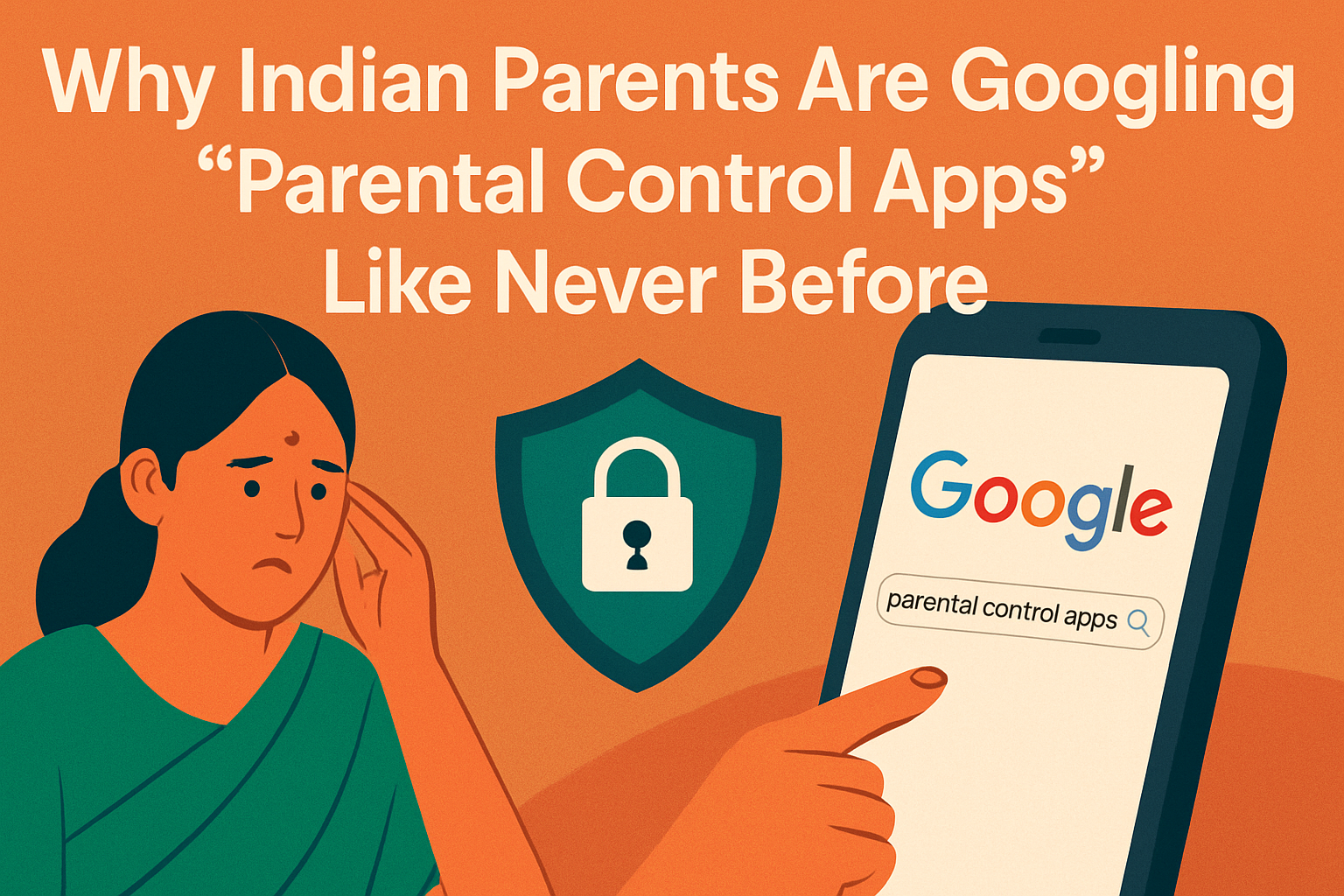
And that’s why “parental control apps” are now being downloaded in record numbers by Indian families.
Kids and Phones: The Love Story That Got Too Real
With online classes, YouTube, reels, and games most kids are now glued to screens for 6 to 9 hours a day.
Even 5 year olds scroll faster than adults.
Teens are addicted to gaming, chatting, binge watching, and sometimes… dangerous online trends.
Parents, especially in India, are now panicking. How do we control what they see and do?
Enter: Digital Parenting Tools
What Are Parental Control Apps?
These are mobile or desktop apps that allow you to:
- Monitor screen time
- Block adult or violent content
- Approve or restrict app downloads
- Set usage limits (like 2 hours/day)
- Track real time location
- Get reports on what your child browses
Popular in India:
- Google Family Link
- Qustodio
- Safe Lagoon
- Bark
- Norton Family
- Kidslox
Why the Sudden Rise in India?
- Online Classes → Permanent Phone Usage
- Both Parents Working → Less Supervision
- Rise in Cyberbullying & Online Scams
- Increase in Child Mental Health Cases due to screen addiction
- Easy Access to Mature Content on Reels/YouTube Shorts
How These Apps Actually Work
- Parent downloads the app and links the child’s phone
- Permissions are granted (screen access, location, app installs, etc.)
- Rules are set (example: No apps after 9 PM, block TikTok, 3 hours daily limit)
- Parent gets weekly reports, alerts, and can even block phone remotely
But Is It Spying?
Not exactly. Think of it as:
- Helping your child form healthy tech habits
- Keeping them away from dangerous content
- Teaching digital discipline
Most apps don’t show messages or passwords, they just offer activity summaries.
The Big Concerns of Indian Parents
- Addiction to Reels & Shorts
- Secret Instagram or Snapchat profiles
- Online strangers in games like Free Fire or Roblox
- Exposure to pornography, violence, or gambling
- Late night phone usage affecting sleep & studies
Healthy Screen Guidelines (As Per Pediatricians)
- Under 5 years: Max 1 hour/day
- 6–12 years: Max 2–3 hours
- Teens: Balance screen with physical/social activity
- Phones must be off 1 hour before bed
- No screens at meal times or during study
Best Practices for Digital Parenting
Talk openly don’t just control
Explain dangers, not just rules
Use screen time contracts
Keep phone free zones (bedroom, dinner table)
Be a role model reduce your own screen use
The Good News
- Over 1 million downloads of family protection apps happened in India last year
- Schools are running digital wellness workshops
- Telecom providers like Jio & Airtel are offering kid safe browsing options
- YouTube Kids and Instagram Supervision tools are improving
Parting Thoughts: Raise Smart Kids in a Smarter World
You can’t keep your child away from the digital world.
But you can teach them to navigate it safely.
Parental control apps are not about spying or strictness. They are about guidance, conversation, and boundaries.
Because someday, the only control you’ll have is the lessons you taught them.