
|
Getting your Trinity Audio player ready...
|
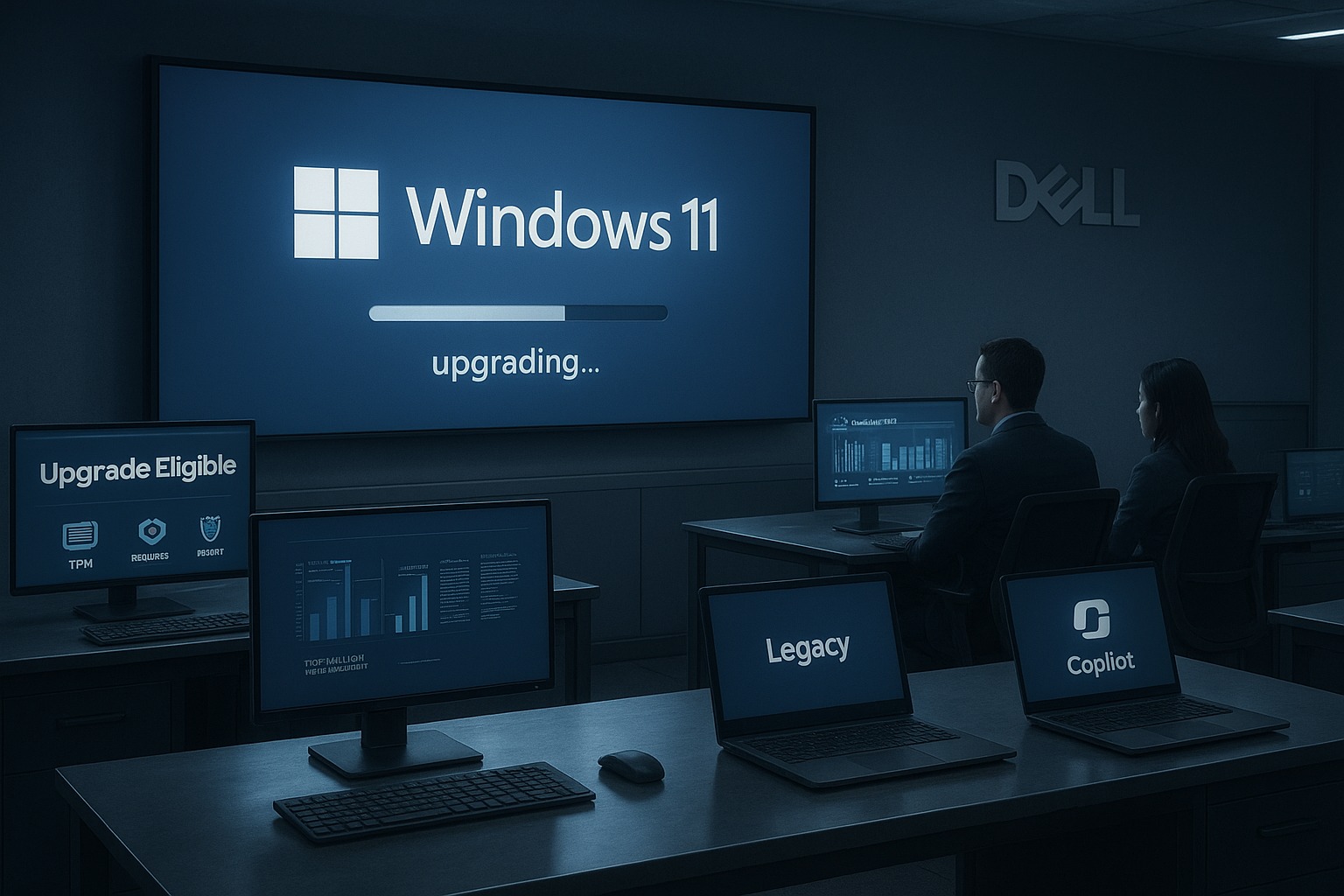
The transition to Microsoft’s latest operating system has hit an unexpected roadblock. Dell, one of the world’s largest PC manufacturers, has sounded an alarm over the sluggish shift to Windows 11, revealing that adoption rates are far behind what the company witnessed during the transition to Windows 10. This slowdown is sending ripples across the global PC market, raising concerns about hardware compatibility, enterprise hesitation, and the future of operating system upgrades.
During its latest quarterly financial briefing, Dell openly acknowledged that the migration to Windows 11 remains “10 to 12 points behind” where Windows 10 stood at the same time post-launch. The issue is significant enough that Dell now expects PC upgrades and new system purchases to remain flat for the upcoming year, a rare situation in an industry that typically relies on OS transitions to boost sales.
Why Are Users Avoiding Windows 11?
1. Hardware Requirements Are Too Strict
Windows 11 introduced some of the most restrictive hardware requirements in Microsoft’s history. A vast number of existing PCs, especially those 3 to 6 years old, cannot upgrade without hardware replacements. Dell estimates that hundreds of millions of devices worldwide fall into this “ineligible” category, leaving users with no free upgrade path.
2. Windows 10 Still Works Just Fine for Many
Windows 10 has been widely regarded as one of Microsoft’s most stable and user-friendly systems. Even though its official support ended in 2025, many individuals and companies remain comfortable with it. The familiarity, reliability, and compatibility of Windows 10 still outweigh the perceived advantages of switching to a newer OS.
3. Enterprises Are Slowing the Process Even More
Businesses with large-scale PC fleets face challenges far more complex than a simple home-user upgrade. System compatibility testing, cybersecurity risk evaluations, and the high cost of replacing non-compatible hardware are causing massive delays. For many companies, transitioning to Windows 11 is neither urgent nor cost-effective.
4. Economic Uncertainty Stalls PC Refresh Cycles
Macroeconomic pressures continue influencing buying decisions. Households and enterprises alike are prolonging the lifespan of older PCs. With budgets tightening and no immediate need to upgrade, replacing working hardware simply to meet OS requirements doesn’t feel rational to most users.
What This Means for PC Manufacturers
Dell’s comments hint at a broader industry concern: the PC market is struggling to gain momentum. Typically, new operating systems drive hardware upgrades but Windows 11’s strict requirements and unclear value proposition have reversed that trend.
Instead of a surge, PC makers are witnessing stagnation:
- New laptop and desktop sales remain lukewarm
- Enterprises are delaying purchases
- Consumers are choosing repair over replacement
- Older PCs remain in active use, despite being unsupported
However, Dell also acknowledges a potential opportunity: once economic conditions improve and Windows 10 becomes too outdated to rely on, millions of users will eventually need compatible hardware. But for now, that demand remains dormant.
Why Windows 11 Isn’t Convincing Users
Windows 11 launched with promises of modern design, improved performance, and better integration with AI-driven features. Yet many users remain unconvinced that these upgrades justify the disruption of switching systems.
Some of the most common concerns include:
- The redesigned interface feels unfamiliar
- AI features are still maturing
- Certain apps run more smoothly on Windows 10
- Mandatory hardware requirements feel unnecessary
- Frequent interface updates frustrate long-time Windows users
This creates a fundamental problem: Microsoft’s newest OS is struggling not because it is flawed, but because its benefits aren’t universally persuasive.
The Broader Impact: A Fragmented Windows Ecosystem
The slowdown in migration creates unusual challenges:
- Software developers must now support both Windows 10 and Windows 11
- Security risks grow as millions continue using an unsupported OS
- Enterprises face long-term compatibility issues
- The market ends up divided between old and new systems
This is the opposite of what Microsoft intended. Instead of a unified ecosystem around Windows 11, the OS landscape is splitting.
Where Does the Industry Go From Here?
To revive momentum, experts believe PC makers and Microsoft must rethink their approach. Some steps may include:
- Offering more aggressive trade-in programs
- Relaxing certain hardware requirements
- Improving user education around Windows 11’s benefits
- Enhancing backward compatibility
- Making AI features more powerful and practical
- Communicating clearer long-term support timelines
Until then, users are resisting the shift, a strong indication that future operating system rollouts must focus more on real-world value, not just visual redesigns or hardware demands.
Parting Thoughts : A Transition Delayed, Not Denied
Dell’s stark warning underscores a surprising truth: Windows 11’s journey to mainstream dominance is proving far more difficult than expected. For now, millions remain on Windows 10 not because they reject innovation, but because upgrading lacks clear benefits or requires purchasing expensive new hardware. The coming year will reveal whether Microsoft can convince users to make the jump or whether Windows 11 risks becoming one of the slowest-adopted operating systems in the company’s history.