

|
Getting your Trinity Audio player ready...
|
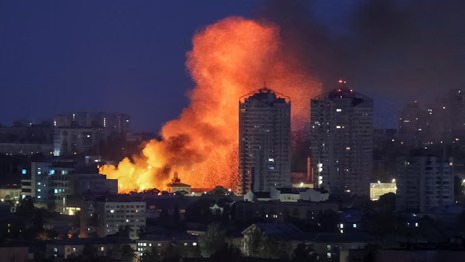
Ukraine woke up to one of its most intense nights of aerial attacks this year, after more than six hundred drones reportedly flew into multiple parts of the country, stretching from the eastern frontline to regions close to the western borders. The scale and coordination of the assault triggered nationwide air-raid sirens, pushing millions of residents into shelters and once again testing Ukraine’s already strained air-defense network.
What made this attack particularly alarming was the fact that sirens were also briefly activated in eastern Poland, a NATO nation situated close to Ukraine’s border. Although no strikes were reported on Polish territory, the alert underscored the growing regional tension and the razor-thin margin of error surrounding the conflict. Officials in Warsaw described the activation as a “precautionary response,” but residents expressed renewed fear that the conflict could spill across borders if the situation escalates further.
Inside Ukraine, the drone wave struck at a delicate moment. Peace discussions are currently underway in Miami, where international diplomats are attempting to revive stalled negotiations. But every fresh round of bombardment intensifies pressure on the diplomatic process. Ukrainian authorities noted that these attacks seemed designed to disrupt civilian life and destabilize vital infrastructure, rather than achieve any strategic military gain. Emergency crews spent the early hours extinguishing fires, evacuating civilians, and assessing damage to residential blocks, power lines, transportation routes and industrial sites.
The strikes also renewed debates about the future of Ukraine’s air-defense capabilities. Over recent months, the country has struggled to secure enough advanced interceptors to protect large urban centers and energy grids ahead of winter. While a significant number of drones were shot down, many still managed to breach defenses, revealing gaps that military analysts say could widen if the frequency of such attacks continues.
For Ukraine’s population—already fatigued by years of tension the overnight barrage felt like a grim reminder that even during peace negotiations, normalcy remains fragile. Families who spent the night inside underground stations described a mixture of fear and exhaustion, with many expressing frustration that diplomatic talks abroad have not yet translated into relief on the ground. As the Miami negotiations progress, the timing and intensity of this drone offensive raise difficult questions about how much progress can realistically be made as airstrikes continue. Regional leaders remain on high alert, Europe is watching with unease, and Ukraine braces for what could be a long and unpredictable winter.