
|
Getting your Trinity Audio player ready...
|
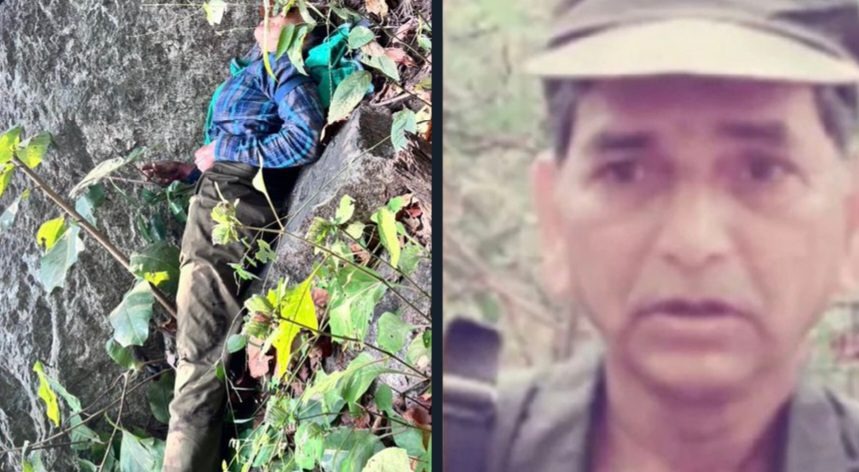
A major security operation deep inside Odisha’s forested interior has delivered one of the strongest blows to Maoist insurgency in recent years, reigniting a national debate on whether India’s long-running fight against left-wing extremism is finally nearing a turning point or entering a more complex and volatile phase. The high-intensity encounter, which resulted in the elimination of top Maoist operatives with significant bounties on their heads, is being seen as a strategic victory for security forces but experts caution against premature celebration.
The encounter took place in a remote and densely forested region, long considered a Maoist stronghold due to its difficult terrain and limited administrative reach. Acting on precise intelligence inputs, joint teams of state police and central armed forces launched a carefully planned operation that escalated into a prolonged gun battle. By the time firing ceased, multiple senior Maoist leaders were neutralized, effectively disrupting the command structure operating across parts of Odisha and neighboring states.
Security officials described the operation as the result of months of coordinated intelligence gathering, technological surveillance, and ground-level coordination. According to officers involved in counter-insurgency operations, the elimination of senior Maoist leadership weakens the group’s ability to plan large-scale attacks, mobilize cadres, and intimidate local populations. For regions that have lived under the shadow of Maoist violence for decades, the encounter has sparked cautious optimism.
However, security analysts warn that insurgent movements rarely collapse overnight. Experts point out that Maoist groups have historically responded to leadership losses by decentralizing operations, recruiting aggressively at the grassroots level, and shifting tactics toward smaller but more frequent attacks. Some believe the recent encounter may provoke retaliatory violence targeting infrastructure projects, security installations, or civilians seen as cooperating with authorities.
There are also concerns about the socio-economic vacuum that often follows such operations. While the removal of armed insurgents improves immediate security, experts stress that long-term stability depends on governance, development, and trust-building with tribal communities. Without sustained investment in education, healthcare, employment, and infrastructure, the ideological roots of extremism may continue to find fertile ground.
Local residents in affected districts expressed mixed reactions. While many welcomed the increased security presence and the possibility of peace, others voiced fear of renewed violence in the aftermath of the encounter. Past experiences have shown that power struggles within insurgent ranks can sometimes lead to unpredictable and violent outcomes, placing civilians at risk.
Government officials reiterated their commitment to a dual strategy firm action against armed groups combined with accelerated development initiatives in Maoist-affected areas. Authorities emphasized that recent successes are part of a broader national effort to dismantle insurgent networks while simultaneously addressing the grievances that fuel extremism.
As Odisha and the wider Red Corridor region watch developments closely, the question remains unanswered: does this encounter mark the beginning of the end for Maoist insurgency, or is it merely a pause before a more adaptive and dangerous phase? What is clear is that while guns may silence leaders, lasting peace will depend on winning hearts, rebuilding trust, and ensuring that development reaches the most remote corners of the country.