
|
Getting your Trinity Audio player ready...
|
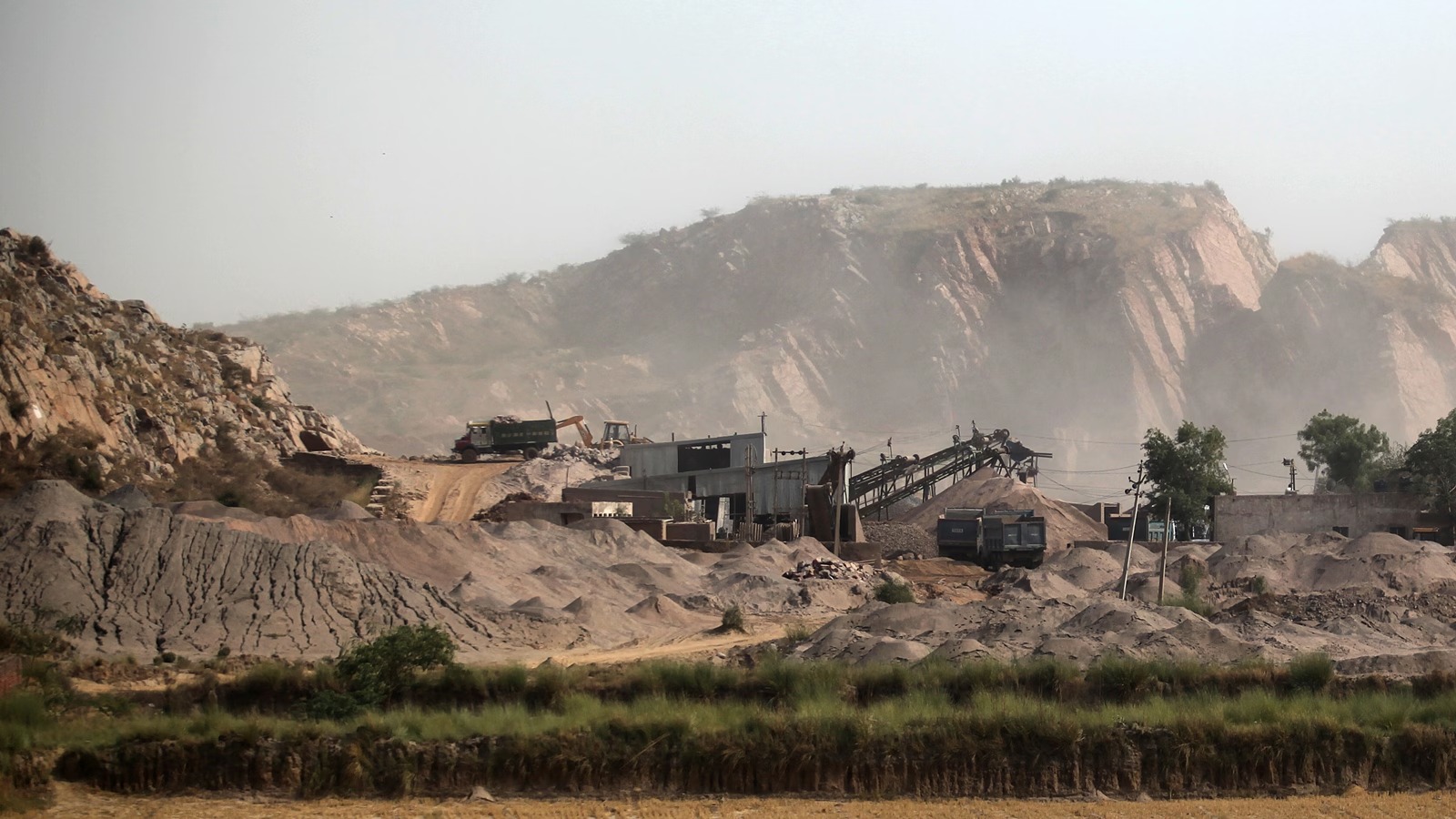
After weeks of rising public anger, environmental protests, and intense political debate, the Central government has taken a significant step by stopping the grant of all new mining leases in the Aravalli Hills, offering temporary relief to one of India’s most fragile and oldest mountain ranges. The move comes amid mounting concerns that unchecked mining and land degradation could cause irreversible damage to the ecosystem that supports groundwater recharge, air quality, and climate balance across northern India.
The decision follows a Supreme Court intervention, which directed authorities to freeze fresh mining permissions until a comprehensive Management Plan for Sustainable Mining is prepared and approved. The court’s stand has effectively put a pause on new extraction activity in the region, forcing governments and regulators to reassess how development and environmental protection can coexist in the Aravalli landscape.
For months, environmentalists, citizens’ groups, and local communities have warned that excessive mining, construction, and deforestation were steadily eroding the Aravallis, increasing desertification and worsening air pollution in regions such as Delhi-NCR, Rajasthan, and parts of Haryana. Public outrage intensified after reports suggested that large portions of the hills could lose legal protection due to changes in classification and interpretation, triggering nationwide debates both online and on the streets.
Responding to the backlash, the Centre clarified that no new mining rights will be issued until further notice, stressing that ecological preservation remains a priority. Officials have indicated that the upcoming management plan will focus on scientific assessment, environmental safeguards, and stricter monitoring mechanisms to curb illegal mining and prevent further ecological damage.
However, activists argue that while the ban on new leases is a welcome step, it does not automatically translate into complete protection. Existing mining operations, legacy permissions, and alleged illegal activities continue to raise concerns. Many fear that without clear enforcement on the ground, the pause could remain symbolic rather than transformative.
The Aravalli range, stretching across Gujarat, Rajasthan, Haryana, and Delhi, is considered a natural shield against desert expansion and a lifeline for groundwater systems in semi-arid regions. Experts warn that continued degradation could have long-term consequences for agriculture, drinking water availability, and regional climate stability. As the government works on the sustainable mining framework, the Aravalli issue has become a litmus test for India’s environmental governance. For now, the freeze on new mining leases signals a rare moment where public pressure, judicial oversight, and environmental urgency have converged but whether this pause turns into lasting protection will depend on what happens next.