

|
Getting your Trinity Audio player ready...
|
Chandigarh | August 2025
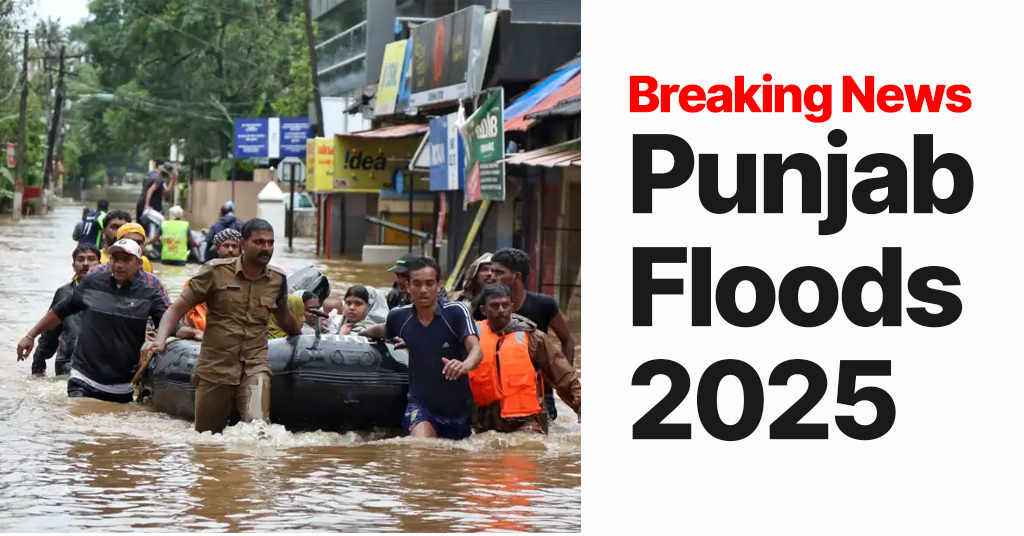
Punjab is facing its worst floods in nearly four decades. Relentless monsoon rains, overflowing rivers and dam discharges have submerged over 1,000 villages across 20 districts. More than 1.46 million people have been displaced and 61,000 hectares of farmland destroyed, triggering a humanitarian crisis.
The Flood Impact
The Sutlej, Beas and Ghaggar rivers crossed danger levels, breaching embankments and washing away roads. Sudden water releases from Bhakra and Pong dams worsened the situation. Meteorologists called it a “once-in-40-years flood.”
Thousands of families have lost homes and cattle. Relief camps are overcrowded, with reports of food shortages and disease outbreaks. Many villages remain cut off, waiting for rescue.
Agricultural Loss
Punjab, India’s food bowl, has been hit hard. Paddy, maize and vegetable crops are destroyed, pushing farmers into despair. Experts warn of rising food prices across the country as supplies tighten.
Farmers are also caught in an insurance void. Punjab opted out of the central crop insurance scheme years ago, leaving them without cover for massive losses.
Relief and Politics
The state government has set up 500 relief camps and sought ₹10,000 crore from the Centre. An interim ₹1,000 crore has been released. Opposition leaders accuse authorities of negligence in dam management and flood preparedness.
Future Concerns
Experts blame unplanned urbanisation, sand mining and poor river management for worsening the floods. They warn that without long-term planning, such disasters will return with greater intensity.
Parting Thoughts
The 2025 floods have exposed Punjab’s fragile infrastructure and the vulnerability of its farmers. As millions struggle to rebuild, the disaster stands as a reminder: climate preparedness and farmer protection can no longer be delayed.