
|
Getting your Trinity Audio player ready...
|
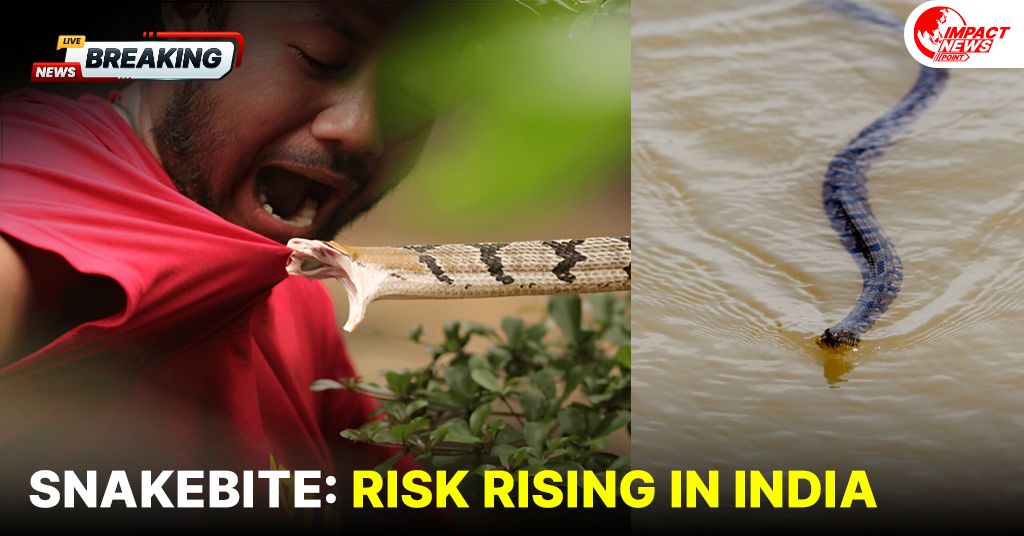
Snakebite risk is rising in India as dangerous snakes, pushed by climate change, start living in new parts of the country. Once safe states in the North and Northeast are now seeing more snakes and more people at risk of bites.
Why Are Snakes Moving?
Scientists have found that warming temperatures and odd rainfall are making it easier for India’s four deadliest snakes—the common cobra, Russell’s viper, common krait, and saw-scaled viper—to spread into areas like Delhi, Punjab, Himachal Pradesh, and the Northeast. Floods, heavy rains, and growing cities are forcing snakes from their usual homes into places where more people live and farm.
The Big Four: India’s Most Dangerous Snakes
India sees the world’s highest number of snakebite deaths each year—over 50,000 people—mostly due to these four snakes:
- Common Cobra
- Russell’s Viper
- Common Krait
- Saw-Scaled Viper
More People at Risk
Many places that rarely saw snakes before are now seeing more, especially during rainy season and floods. Farmers, villagers, and even people in city outskirts face sudden danger, often because snakes come closer to homes searching for food or shelter.
Medical Worries
India’s hospitals, especially in villages, are not ready for more snakebites. Antivenom is often in short supply, and victims may not make it to a hospital in time to get help.
What Can Be Done?
- More antivenom in rural clinics and new at-risk areas
- Teach people in villages how to spot dangerous snakes and give first aid
- Better hospital transport to treat bites quickly
- Use “snakebite maps” to find new risk zones and warn people early.
Final Thoughts
Climate change is not just about hotter weather or heavier rain—it’s also about deadly snakes moving into new areas. For millions in India, knowing about these risks, learning prevention, and improving hospitals are the best ways to stay safe.