
|
Getting your Trinity Audio player ready...
|
From Peaceful Valley to Flood-Ravaged City
Dehradun, once a serene and verdant valley known as “Dehra,” has been thrust into the headlines this week following devastating floods triggered by heavy rains on September 16, 2025. For those who grew up in this scenic valley, the floods marked a tragic first; the once calm rivers now unleashed chaos and destruction. But to understand this calamity, one must look deeper at the story of how Dehradun has changed over decades.
Memories of a Bygone Era: The Charm of Old Dehra
The old Dehra was celebrated for its lush green environment and fertile soil where everything seemed to flourish effortlessly. The famed author Ruskin Bond captured its essence in his writings, describing a place abundant with trees, fresh air, and thriving gardens. Long ago, the city was nicknamed the “city of grey hair and green hedges,” where bird songs filled the air, wild roses adorned gates, and the rush of traffic and noise were almost unheard of.
Water was a vital part of this peaceful life. Rivers like the Rispana and Bindal flowed clear and strong, supporting local agriculture and providing fresh fish to the community. A network of canals, built by British engineers in the early 1900s, underpinned the valley’s irrigation and drinking water supply, lending names like Canal Road to neighborhoods that thrived on this life-giving resource.
The Transformation: Urban Expansion and Environmental Decline
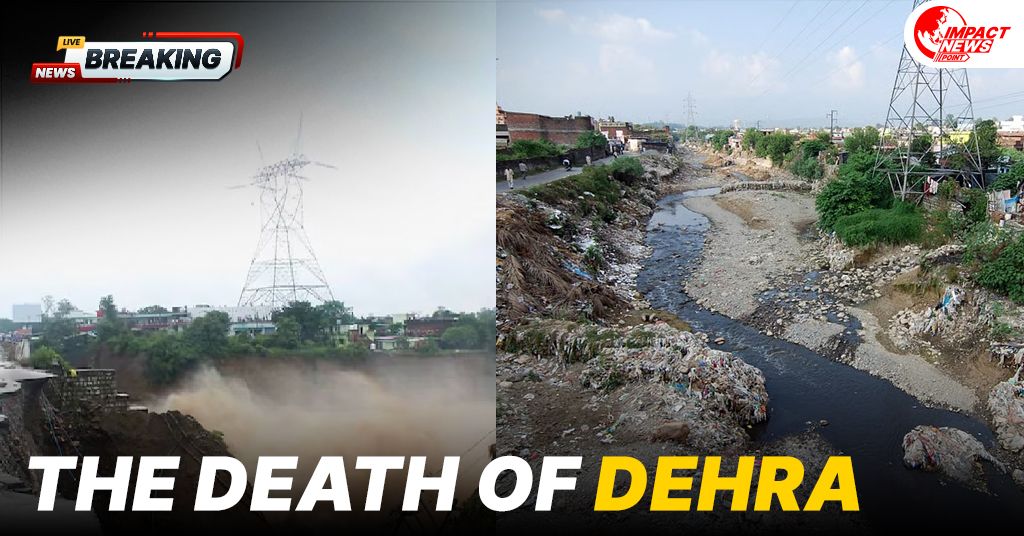
Over the past three decades, the sleepy town of Dehra transformed into a bustling city after becoming the capital of Uttarakhand in 2000. The growth was rapid and largely unplanned. Industrial zones and residential complexes sprung up, often encroaching on forests, water bodies, and fertile agricultural lands. The once-abundant canals were covered over or polluted, and rivers like the Bindal shrank and became clogged with sewage and garbage.
This relentless urbanization replaced the idyllic landscape with concrete structures and sprawling complexes. Bird songs were replaced by the blare of horns, rice fields gave way to real estate developments, and the sounds of frogs and cicadas grew silent. The ecosystem teetered on the edge, while water, once a symbol of life and abundance, turned into a source of foul smell and disease.
Changing Climate and Its Impact
Alongside urban growth, changing rainfall patterns and climate change have exacerbated Dehradun’s vulnerability. The rains, once steady and long, have shifted to intense but shorter bursts, overwhelming the rivers and drainage systems. The severe flooding of this September is a harsh reminder of how natural systems, stressed by human activity, are reaching their breaking point.
The concept of “Jhadi,” local continuous rainfall lasting several days, has all but vanished, replaced by erratic monsoon rains that bring flash floods and landslides. Meanwhile, winters are becoming shorter and less harsh, while summers are growing warmer, altering the valley’s once-pleasant weather.
The Loss of Old Dehra: A Paradise Lost
The tragic floods and environmental degradation have resulted in what many call the death of Dehra—the loss of a unique natural heritage and way of life. The rivers have died or are dying, now serving as conduits for the city’s untreated sewage. The quiet charm captured in literature and loved by residents has been overtaken by the realities of rapid urbanization and ecological neglect.
Despite these challenges, this moment calls for urgent reflection and action. Protecting the remaining green patches, restoring water bodies, and adopting sustainable urban planning are imperative to save what is left of old Dehra.
Parting Thoughts: The Need for Renewal and Responsible Growth
Dehradun’s story is a poignant example of how unchecked urban expansion and environmental disregard can degrade a once-thriving ecosystem. As the city mourns the loss of old Dehra, the path forward demands a harmonious blend of development and conservation—where nature and urban life can coexist for generations to come. Only then can the spirit of the valley, as Ruskin Bond fondly recalled, be truly revived.