
|
Getting your Trinity Audio player ready...
|
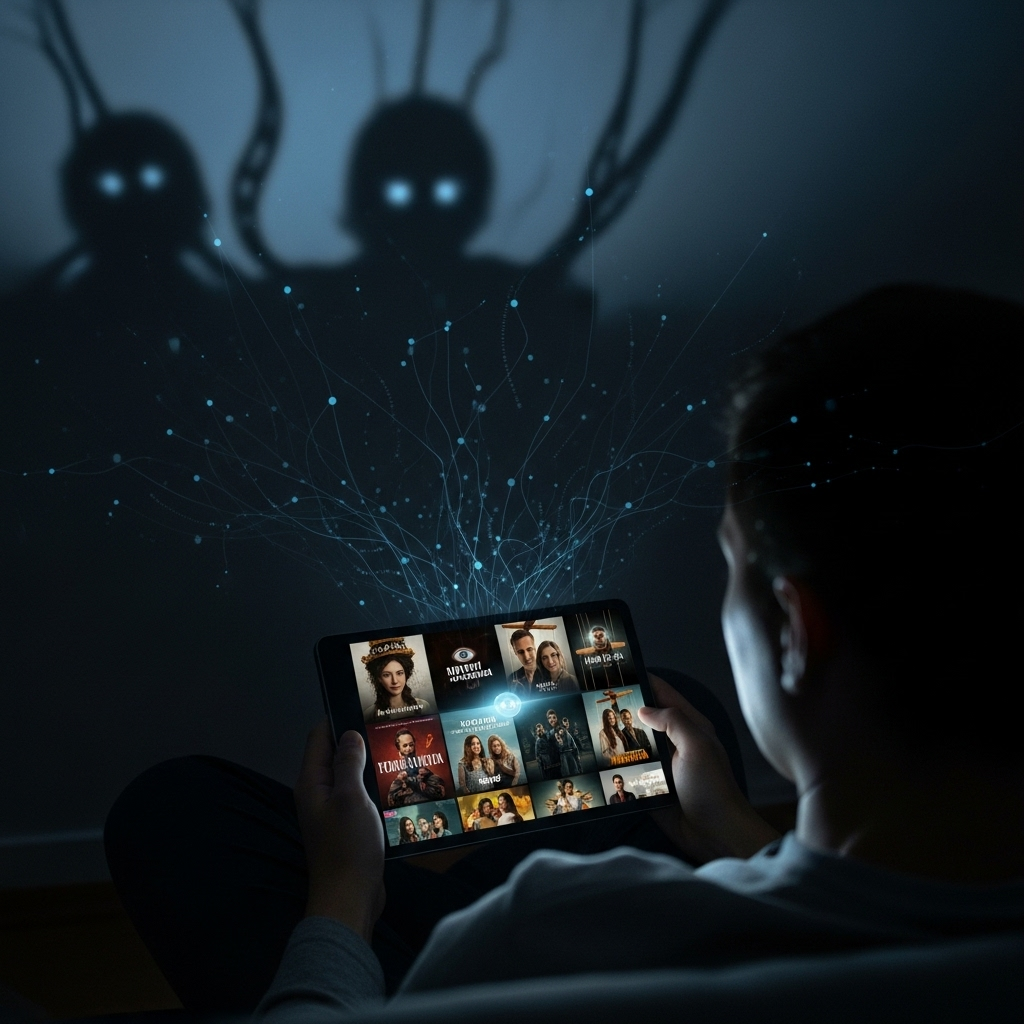
In today’s entertainment world, streaming platforms like Netflix, Amazon Prime, and Disney+ have revolutionized how we watch movies and TV shows. With a few clicks, we access vast libraries filled with endless content. But behind those shiny recommendation lists lies a powerful and often unseen force streaming algorithms that shapes what we watch, how we think, and even how culture evolves. While these algorithms enhance convenience, their hidden biases and feedback loops can push harmful content and reinforce narrow viewing habits.
How Streaming Algorithms Work: The Basics
At their core, streaming algorithms analyze your viewing habits the movies you watch, how long you watch, what you search for and compare your preferences with other users. Based on this data, they predict what you might like next and present curated “recommended” lists on your home screen.
It’s no surprise that a significant chunk of what people watch comes from these recommendations. For example, about 80% of Netflix viewers discover shows through their algorithm-driven homepage. This personalized curation keeps viewers engaged, maximizing their time on the platform.
When Algorithms Become Echo Chambers
However, algorithms don’t just randomly suggest content; they reinforce what’s popular or similar to your past choices. This creates a feedback loop, a digital echo chamber where you see more of what you’ve liked before, and less of what’s different or challenging.
Imagine you watch a romantic comedy. Tomorrow, you’re more likely to be recommended more romcoms. Over time, your streaming diet narrows, possibly ignoring rich genres, niche films, or global perspectives you would enjoy if exposed.
Critics call this phenomenon the rise of “ambient TV”: shows designed to be so predictable and low-engagement that you can have them on quietly in the background without much mental investment. While easy entertainment isn’t bad, it can crowd out stories that provoke thought, blend genres, or introduce unfamiliar ideas.
Bias Toward Blockbusters and Originals
Another issue is algorithmic favoritism toward blockbuster content or a platform’s own productions. Streaming giants invest heavily in their originals and promote them aggressively within recommendation feeds. While understandable from a business perspective, this limits the visibility of independent films, foreign language cinema, and diverse storytelling voices.
For instance, critically acclaimed international films or under-the-radar indie gems may languish unseen simply because they don’t receive the initial push. As a result, audiences miss out on vibrant cultural experiences.
The Social and Cultural Impact
Streaming algorithms don’t just impact individual viewing, they shape culture by deciding which stories get widespread attention. Over time, this affects industry investment patterns, creative risks, and which narratives dominate global conversations.
Moreover, biased algorithms can deepen polarization by recommending content that aligns with existing beliefs or preferences, reducing exposure to varied viewpoints. This digital gatekeeping, though subtle, wields significant cultural power.
Efforts to Improve and Humanize Algorithms
Recognizing these challenges, some platforms are experimenting with hybrid approaches combining data-driven recommendations with human curation. For example, services like Mubi offer carefully curated selections by film experts, introducing audience members to unique and critically acclaimed movies outside algorithmic bubbles.
Other platforms involve human editors in fine-tuning personalized pages to balance algorithmic efficiency with content diversity and quality.
What Viewers Can Do
The growing awareness of the dark side of streaming algorithms empowers viewers to take charge:
- Actively search for genres, directors, or countries you’ve never explored.
- Use multiple streaming platforms to broaden your content exposure.
- Follow film critics, cultural commentators, or curated playlists that highlight fresh or diverse storytelling.
- Share recommendations with friends to create grassroots interest in overlooked content.
Parting Thoughts
Technology Shapes Culture, But We Can Shape Technology. Streaming algorithms are reshaping the entertainment landscape, offering unprecedented convenience and personal touch. But without scrutiny, they risk narrowing our cultural horizons and reinforcing biases, sometimes promoting content that is easy, familiar, or commercially favored over art that challenges, inspires, or diversifies.