

|
Getting your Trinity Audio player ready...
|
From ‘Mahabharat Ek Dharmayudh’ to Deepfake Cameos, Bollywood’s Digital Leap Sparks a Debate on Art vs. Automation
Artificial Intelligence is no longer just a buzzword in the tech world it has quietly entered India’s film studios, writers’ rooms, and VFX labs. But its arrival is dividing the creative community. Is AI the future of filmmaking, or the beginning of cinema’s creative crisis?
The debate reignited this week after the AI-generated web series Mahabharat – Ek Dharmayudh went viral not for its storytelling, but for its unintended “futuristic” bloopers. Viewers spotted what looked like a wireless charger and other modern elements in a mythological scene, sparking a wave of memes online.
Behind the laughter, however, lies a serious question are we moving too fast in automating art?
Over the past year, India’s entertainment industry has embraced AI-driven tools like never before. Script-writing assistants, AI-based dubbing, digital costume simulation, and facial enhancement tools are becoming mainstream.
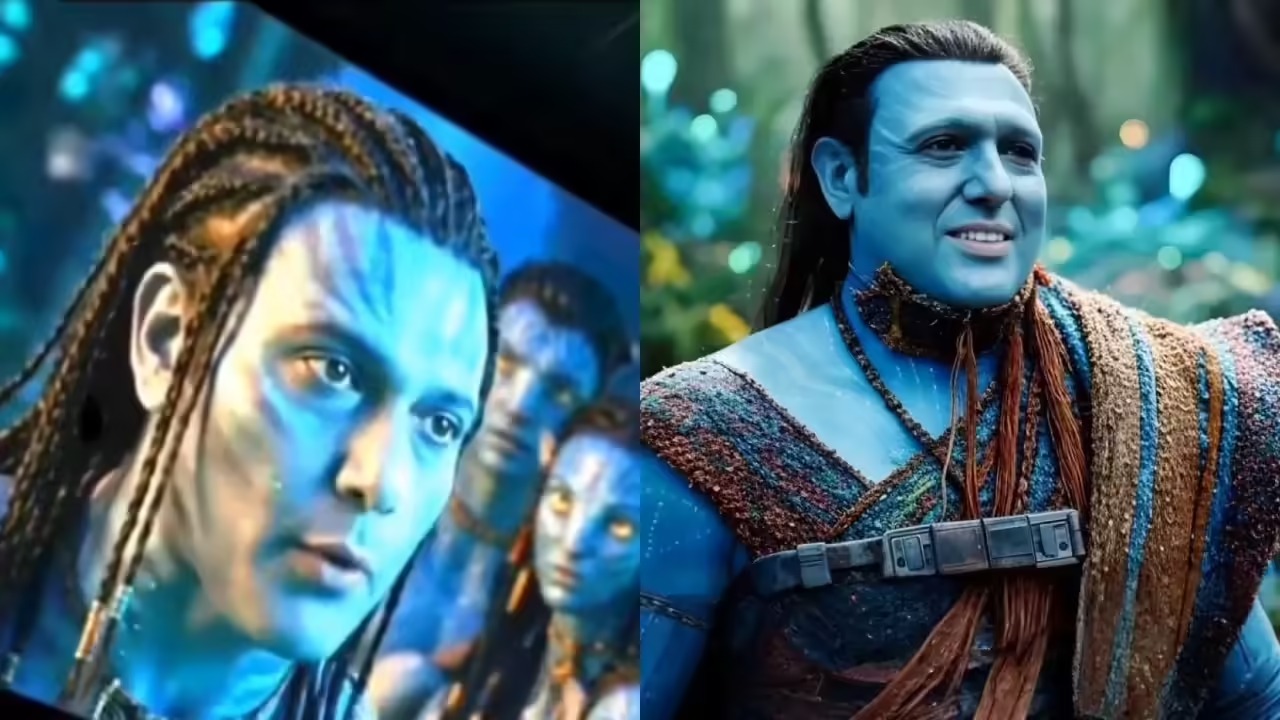
Filmmakers say these innovations save time and money especially in post-production. A scene that once took 15 days to perfect can now be generated in hours. AI also allows producers to digitally “de-age” actors, revive late artists for cameos, and even create new characters that never existed before.
But as technology evolves, so does the moral dilemma. Who owns the performance the actor or the algorithm?
Cinematographers and artists are increasingly concerned that AI could blur the line between imagination and imitation. “Technology should empower, not replace creativity,” said a Mumbai-based visual effects supervisor. “If AI starts writing, editing, and even acting, where does human expression fit in?”
The concern is not unfounded. Globally, artists’ unions have already raised red flags about the misuse of digital likenesses and AI-generated scripts. India’s industry, largely unregulated in this space, risks heading into the same ethical grey zone.
AI tools trained on copyrighted material can also inadvertently copy existing designs, dialogues, or visual styles leading to legal disputes and creative fatigue.
Why It Matters for Viewers
For the Indian audience, this isn’t just a behind-the-scenes issue. The movies and series they love could soon look and feel entirely different. AI-generated characters might sound more polished but lack the emotional depth of a real performance.
Viewers are already noticing subtle changes in expressions that look “too perfect,” voices that feel synthetic, and backgrounds that seem disconnected from human reality. The magic of storytelling, some argue, risks being replaced by algorithmic precision.
Still, not everyone sees AI as the enemy. Many young creators view it as a tool for democratization. “Earlier, you needed massive budgets for visual effects. Now, a small team can create cinema-quality visuals using AI,” said an indie filmmaker from Pune. “It gives creative freedom to those who couldn’t afford it before.”
The Industry’s Search for Balance
The Indian Film and Television Producers Council (IFTPC) is reportedly exploring guidelines for the ethical use of AI in production. Several OTT platforms have also begun drafting internal codes to prevent deepfake misuse and unauthorized digital duplication.
Internationally, major studios are negotiating “AI rights” clauses that protect an artist’s face, voice, and movements from being replicated without consent. Experts say India will soon need similar policies to safeguard its actors and creators.
The Future of Filmmaking: Collaboration, Not Replacement
Most industry veterans agree that the future of cinema lies not in man vs. machine, but in man with machine. AI can handle repetitive or technical tasks, freeing artists to focus on emotion, storytelling, and direction the elements no algorithm can truly replicate.“AI can light the stage,” said a senior screenwriter, “but the soul of cinema will always be human.”
As Bollywood and OTT platforms race toward a digital revolution, the challenge will be to keep that soul alive ensuring that technology remains a brush in the artist’s hand, not the artist itself.
Parting Thoughts –
AI is reshaping the film industry at lightning speed but in doing so, it’s forcing India’s creators to ask fundamental questions about authenticity, creativity, and control. The coming years will determine whether Indian cinema becomes a case study in digital innovation or a cautionary tale about losing the human touch in the pursuit of perfection.
AI in Bollywood, artificial intelligence in Indian cinema, Mahabharat Ek Dharmayudh AI, AI-generated series India, Bollywood VFX technology, AI in film production India, ethics of AI in movies, deepfake in Bollywood, AI creativity debate, future of filmmaking in India