

|
Getting your Trinity Audio player ready...
|
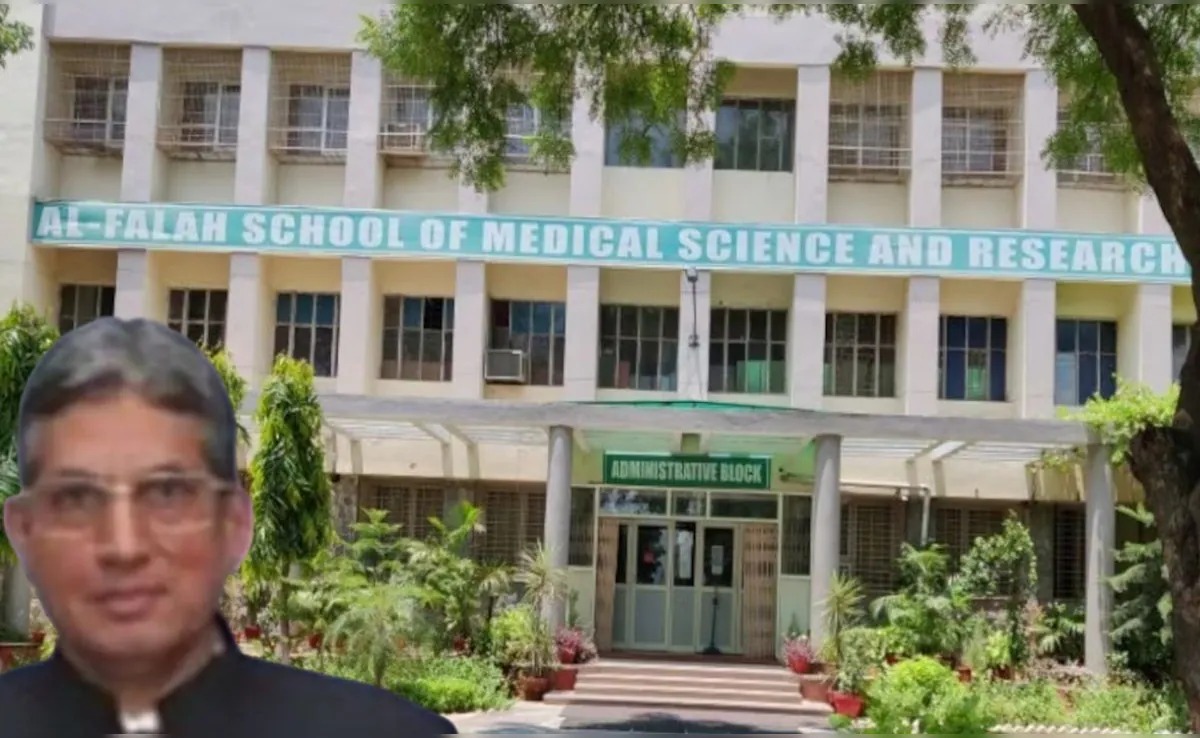
A major storm is brewing around Al-Falah University after investigators flagged what they describe as a disturbing pattern of alleged fraud, manipulation, and financial wrongdoing, involving everything from fabricated hospital activity to questionable accreditation claims. The case has triggered serious attention because it goes beyond paperwork lapses raising uncomfortable questions about how an educational institution can allegedly create an entire “system” on paper to appear legitimate, while collecting hefty fees from students who believed they were enrolling in a recognised and credible campus.
According to the investigation trail, the university came under scrutiny after authorities began examining its functioning and linked entities, including its operations connected to medical education and healthcare claims. What emerged was a set of allegations that point to an organised effort to portray the university’s ecosystem as stronger and more compliant than it actually was, especially in areas where approvals, hospital facilities, patient records, and regulatory recognition matter the most.
One of the most alarming parts of the alleged operation revolves around “fake patients” , a claim that has sparked outrage because it directly impacts the credibility of any medical or healthcare-linked institution. Investigators suspect that patient records and hospital-related documentation may have been shown in a way that created an impression of active and adequate clinical exposure. In medical education, such hospital engagement is not a small formality; it is the backbone of real training. Any attempt to artificially inflate patient numbers or clinical activity is being viewed as not just dishonest, but dangerous for future professionals and public trust.
Alongside this, officials are also looking into claims linked to forged accreditations and misleading recognition status, which allegedly helped the university present itself as more officially certified than it was at the time. Regulatory credibility plays a key role in student admissions and confidence. If a university displays certification or recognition claims that do not match official records, it can mislead families into paying large sums under the belief that the institution meets national standards.
The alleged scam is also being seen through a financial lens, with investigators suspecting that the institution collected significant amounts of money through admissions and fees, while presenting a polished image built on documents that may not reflect reality. This has intensified the pressure on enforcement agencies, as the matter involves both public interest and potential large-scale financial irregularities. Officials are now examining paper trails, bank records, fee collections, and the movement of funds to identify who benefited and how the system was allegedly structured.
What makes the case even more serious is the scale of the accusations and the way they overlapfake hospital-related documentation, disputed accreditation claims, and financial flows under the scanner. Together, these elements paint a picture that investigators believe may not be an isolated error but a larger model of manipulation, where compliance was allegedly “created” rather than actually achieved on the ground.
For students and parents, the case has reignited a long-standing fear: that education especially professional education can become a trap when institutions allegedly sell dreams using glossy claims. Many families invest their life savings into admissions, trusting brochures, websites, and institutional branding. If those claims later turn out to be questionable, the damage becomes deeply personal, affecting careers, finances, and mental health.
The investigation is expected to continue with more questioning, deeper verification of records, and checks into whether any affiliated bodies or individuals played an enabling role. Authorities are also likely to focus on whether there was deliberate intent to mislead regulators and students, or if the issue was built over years through systemic loopholes and unchecked functioning. As the case unfolds, it has now become a bigger warning for India’s education ecosystem highlighting why transparent regulation, real-time audits, and strict action against misrepresentation are critical. The coming days may bring more revelations, but one thing is clear: the Al-Falah University controversy has opened a serious debate on accountability in higher education, and how institutions must be held to standards that cannot be faked on paper.