
|
Getting your Trinity Audio player ready...
|
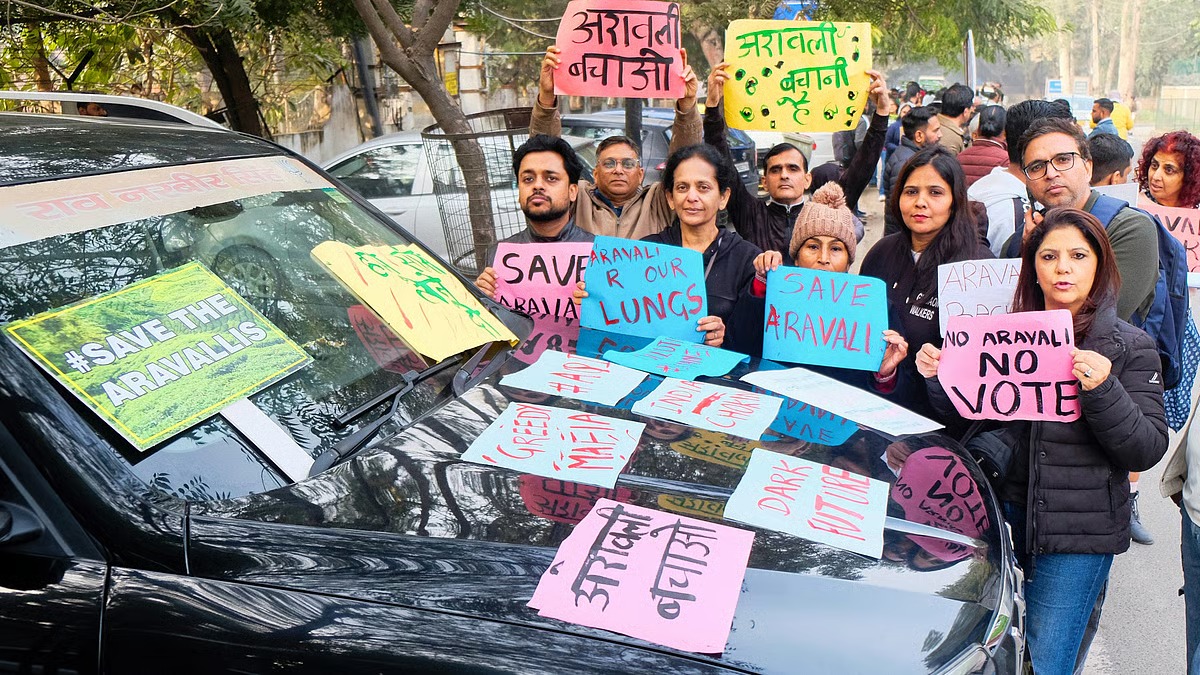
Even after the government announced a halt on new mining leases in the Aravalli hills, public protests across northern India show no signs of slowing down, with citizens and environmental groups insisting that the move falls far short of real protection. Demonstrators argue that pausing new leases addresses only one part of a much deeper ecological crisis unfolding across the ancient mountain range.
From silent marches to placard-led demonstrations, activists continue to demand full ecological protection of the entire Aravalli range, warning that regulatory pauses and temporary bans cannot reverse decades of damage caused by mining, construction, and land misuse. Protesters say that unless smaller hillocks, slopes, and forest patches are also legally safeguarded, the region will remain vulnerable to gradual destruction.
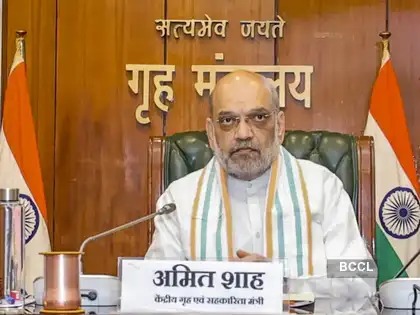
Political tensions around the issue have also intensified. Several opposition leaders have launched campaigns accusing the government of offering “cosmetic solutions” rather than enforcing a comprehensive environmental policy. According to them, the absence of clear ground-level enforcement has allowed illegal mining, land clearing, and construction activities to continue in pockets, despite official announcements of restraint.
Environmental experts backing the protests stress that the Aravallis play a crucial role in preventing desertification, regulating climate, recharging groundwater, and improving air quality in surrounding regions, including the National Capital Region. They warn that selective protection limited only to certain elevations or zones risks fragmenting the ecosystem and accelerating long-term ecological collapse.
Student groups, local residents, and civil society organisations have joined the movement, turning the Aravalli issue into a larger debate on development versus sustainability. Many demonstrators are calling for the entire mountain system to be declared an ecologically sensitive zone, with strict restrictions on mining, real estate expansion, and industrial activity.
While the government maintains that policy frameworks are being reviewed and long-term plans are under preparation, protesters remain unconvinced. They argue that without immediate, blanket protection and transparent monitoring, the Aravallis could continue to erode quietly, even as official assurances dominate headlines. As protests continue to grow louder, the Aravalli movement has emerged as a defining environmental flashpoint one that may influence future policy decisions, legal battles, and public trust in environmental governance. For now, the hills remain at the center of a nationwide demand: not partial pauses, but permanent protection.