

|
Getting your Trinity Audio player ready...
|
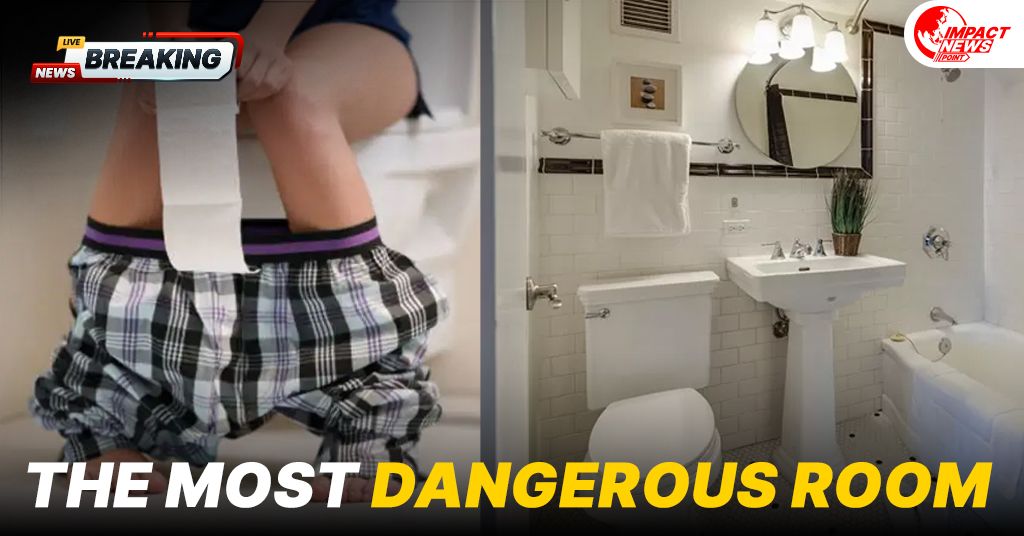
When thinking about hazards at home, many picture slippery kitchens with sharp knives or cluttered garages filled with tools. Surprisingly, the greatest hidden danger inside many houses lies within the bathroom. Cardiologist Dr. Dmitry Yaranov warns that thousands of people faint or even die in the bathroom each year, often during a common but overlooked activity using the toilet.
Understanding the Hidden Danger: Straining and the Valsalva Maneuver
The main risk comes from straining during constipation, which triggers what is medically known as the Valsalva maneuver. This involves holding one’s breath and pushing hard, which increases pressure inside the chest cavity. This pressure reduces the blood flow to the heart and lowers blood pressure, consequently limiting oxygen supply to the brain. The result can be dizziness, fainting, or in severe cases, fatal heart complications.
Dr. Yaranov describes this as a “silent danger hiding in your bathroom,” showing why a routine bodily function can turn hazardous for some individuals.
Who Is Most at Risk?
Certain groups face a higher chance of experiencing complications from this strain:
- People with existing heart diseases
- Individuals suffering from arrhythmias (irregular heartbeats)
- Patients taking medications for heart failure that already lower blood pressure
For these vulnerable groups, the bathroom can unexpectedly become one of the most dangerous places in the home.
Prevention and Care: Simple Steps to Protect Yourself
The good news is that much of this risk can be mitigated. Dr. Yaranov advises:
- Address constipation proactively by including more dietary fiber in meals.
- Stay well-hydrated throughout the day.
- Maintain regular physical activity to promote healthy digestion.
- Use stool softeners if necessary, but only under medical advice.
Ignoring chronic constipation is not just uncomfortable, it can also be dangerous, especially for people with heart issues.
Parting Thoughts
The bathroom is a place where safety is often overlooked. While it may not have the obvious physical dangers of sharp objects or tools, the health risks linked to common activities inside are real and significant. Awareness, lifestyle adjustments, and medical guidance can dramatically reduce risks, making bathrooms safer for everyone.