
|
Getting your Trinity Audio player ready...
|
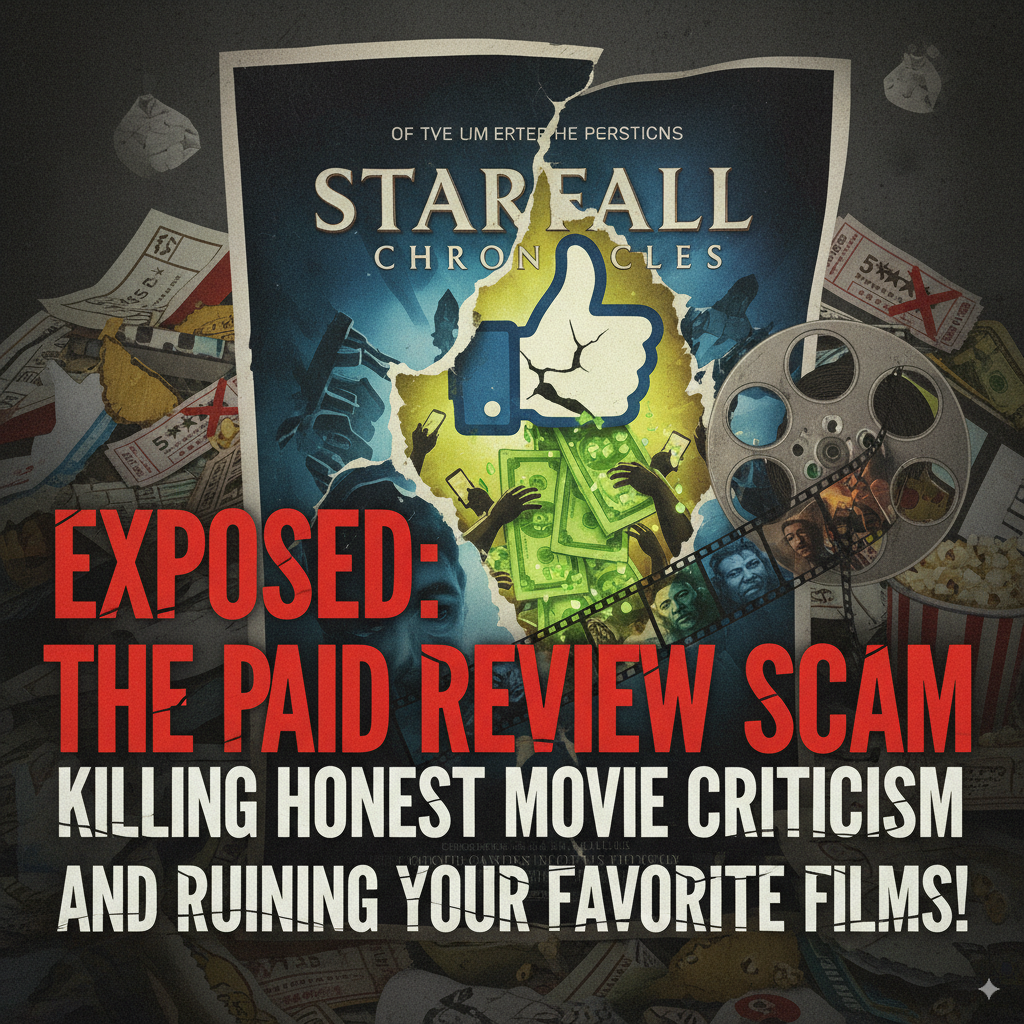
Movies have always been more than just stories on screen; they are a shared experience, an art form that connects viewers to emotions, ideas, and a community of fans and critics alike. But something troubling is happening behind the scenes: an underbelly of paid movie reviews that’s quietly eating away at the trust audiences place in critics and studios. This practice might just be one of the biggest threats facing the film industry today.
Why Reviews Matter More Than You Think
Think about the last time you decided which movie to watch. If you’re like most people, you probably checked out a few reviews or ratings online first. Those star ratings and critical opinions help shape expectations and influence whether a film becomes a blockbuster or fades into obscurity.
Good reviews can send ticket sales soaring, while bad ones can keep fans away. In fact, even small changes in review scores can sway millions of dollars in box office revenue.
The Dark Side: When Reviews Come with a Price Tag
But now, a troubling trend has emerged. More and more, studios and marketers are buying their way into favorable reviews paying critics, influencers, or even generating fake online user reviews to artificially boost a film’s reputation. While this doesn’t magically make a bad movie good, it does shape public perception in a way that feels real enough to impact viewership.
As streaming platforms rely heavily on algorithms and user ratings, these paid endorsements can amplify a movie’s visibility far beyond its true merit. The line between genuine critique and purchased praise is blurring, and that’s dangerous.
What This Means for Movie Lovers and Creators
For audiences, this means growing uncertainty and skepticism. How can you trust a glowing review if it might come with a price tag? This growing mistrust doesn’t just hurt casual moviegoers; it undermines critics who work hard to offer honest, thoughtful opinions.
For filmmakers especially those without blockbuster budgets it’s even more damaging. Smaller films struggle to compete with heavily marketed productions that inflate their ratings through questionable means. Creativity and storytelling risk being sidelined by marketing muscle.
Fighting Back: Transparency and Change Needed
Thankfully, voices across the industry are calling for more transparency. Some review sites now clearly label sponsored content, while platforms work to detect fake reviews. Critics and audiences alike are becoming more discerning, demanding honesty and integrity.
Change will require cooperation from studios, distributors, critics, and viewers—to protect the art we all love.
Why It Still Matters
At its heart, movies are a form of cultural expression, a powerful way to spark empathy, provoke thought, and bring joy. When trust in reviews fades, we lose more than just box office dollars; we lose a shared language to celebrate and critique this art. Stopping the spread of paid reviews isn’t just about fairness; it’s about preserving the magic that makes movies important to us. This style connects with readers by making the problem relatable and emphasizing the human impact, encouraging thoughtful reflection on how industry practices affect what audiences ultimately experience at the movies.