

|
Getting your Trinity Audio player ready...
|
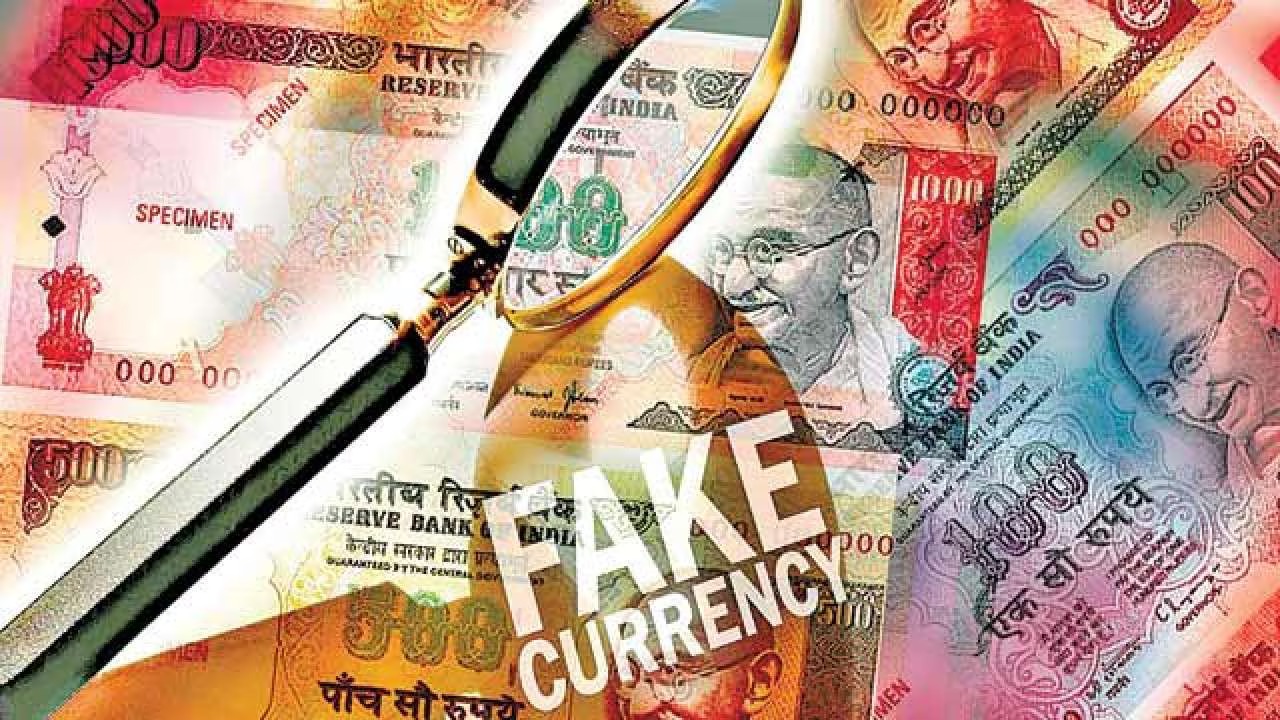
For years, a shadow battle was unfolding far away from public debate and political headlines, a battle that revolved not around bullets or borders, but around currency notes quietly weakening India from within. Long before the nation debated demonetisation on television screens, intelligence circles were already grappling with a disturbing reality: a large-scale infiltration of high-quality fake Indian currency into the economy.
According to accounts from security and intelligence discussions over the years, these were not crude counterfeits. The forged notes were said to be produced using sophisticated printing methods that closely matched official Indian currency, a level of precision that raised alarming questions about access, logistics, and internal compromise. Investigators believed the fake currency network was not just an external threat but one that had roots inside the system itself.
Ajit Doval, now known as one of India’s most influential national security strategists, is widely believed to have flagged the issue years before it entered public consciousness. At the time, acting decisively was considered politically impossible. Any aggressive move risked destabilising the system, exposing powerful interests, and triggering severe political fallout. The assessment was clear: the truth was explosive, but the timing was wrong.
Meanwhile, the damage continued. Fake currency allegedly fuelled terror funding, strengthened hawala networks, and allowed underground economies to flourish. Security agencies viewed it not merely as an economic crime, but as a sustained attack on national stability, one that quietly empowered hostile elements while draining public trust.
The political landscape shifted dramatically after 2014. With a government in power that placed national security at the centre of its agenda, long-pending intelligence assessments finally found a receptive ear. Two years later, in 2016, the government announced demonetisation, a move officially framed as an economic reform, but viewed by many within security circles as a strategic disruption of illegal financial pipelines.
The immediate impact was unprecedented. Vast quantities of unaccounted cash were rendered useless overnight. Networks that relied on counterfeit currency reportedly collapsed, and terror financing routes faced sudden paralysis. What critics saw as an economic gamble, supporters viewed as a decisive strike against invisible enemies operating within India’s financial bloodstream.
Even today, the debate around demonetisation remains sharply divided. Yet behind the economic arguments lies a deeper national security narrative one that raises uncomfortable questions about how long the system was compromised, who benefited from inaction, and why decisive intervention took decades to materialise. As time passes, demonetisation continues to be reassessed not just as a fiscal policy, but as a bold intelligence-backed move aimed at dismantling threats that rarely make headlines. Whether history judges it kindly or harshly, one thing is clear: the decision was shaped as much by security imperatives as by economics and its full story is still being written.