

|
Getting your Trinity Audio player ready...
|
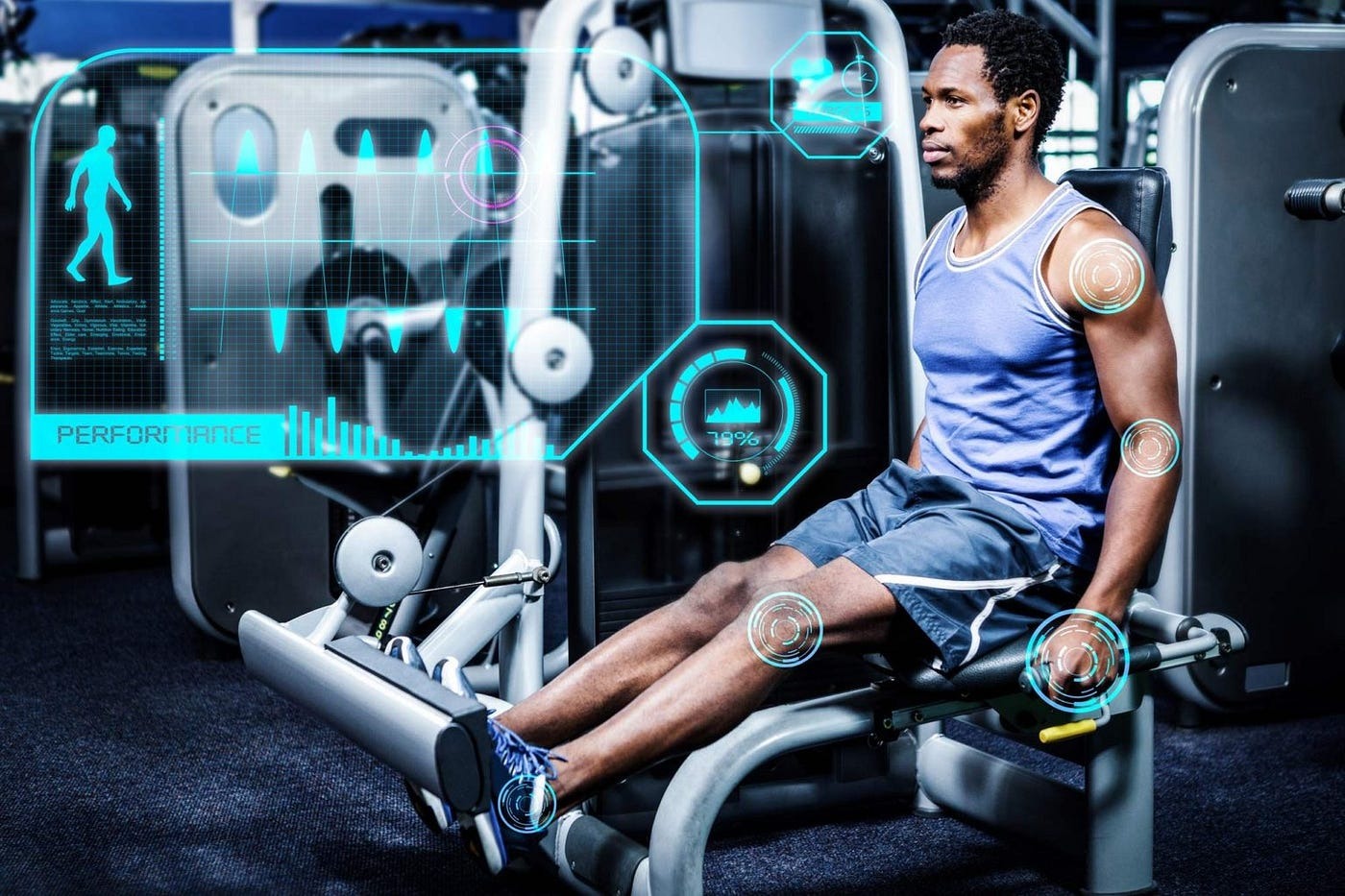
Fitness technology in 2025 has officially entered a new era, where workouts are no longer driven by guesswork but guided by intelligent insights. From sleek wearables to AI-powered coaching tools, this year’s fitness tech is transforming how people train, recover, and stay motivated. What was once limited to step counters and calorie tracking has now evolved into a deeply personalised wellness experience.
Wearable devices continue to dominate the fitness space, but they are smarter, lighter, and more intuitive than ever before. Advanced fitness watches and smart rings now track sleep quality, recovery readiness, heart rate variability, and long-term health patterns. These devices don’t just collect data they interpret it, offering clear suggestions on when to push harder, when to rest, and how to optimise performance based on individual body signals.
One of the biggest shifts in 2025 is the rise of AI-driven fitness guidance. Modern wearables and companion apps analyse daily activity, stress levels, and physiological trends to deliver customised workout plans. This adaptive approach helps users avoid burnout and injury while maintaining consistency, making fitness more sustainable rather than extreme.
Smart rings have emerged as a favourite for users who prefer discreet yet powerful tracking. Worn comfortably throughout the day and night, these devices offer detailed insights into sleep cycles, recovery scores, and overall readiness without the bulk of traditional fitness watches. For serious athletes, multisport trackers and GPS-enabled watches provide advanced metrics for running, cycling, swimming, and strength training, complete with real-time performance feedback.
Beyond wearables, connected body-composition tools have become a key part of modern fitness routines. Smart scales now deliver a deeper understanding of health by tracking muscle mass, body fat percentage, metabolic trends, and progress over time. When combined with wearable data, these tools offer a more complete picture of wellness rather than focusing on weight alone.
Home fitness equipment has also undergone a digital upgrade. Treadmills, rowing machines, and stationary bikes now feature interactive workouts, virtual coaching, and immersive training experiences that replicate studio-style sessions at home. These innovations are blurring the line between gym workouts and home fitness, making high-quality training more accessible.
What stands out most in 2025 is how fitness tech caters to everyone. Budget-friendly trackers now offer reliable health metrics, while premium devices deliver professional-grade insights. Whether someone is beginning their fitness journey or training at an elite level, the technology adapts to individual goals and lifestyles. As fitness technology continues to evolve, the focus has clearly shifted from passive tracking to active support. In 2025, the best fitness gadgets don’t just record movement, they guide, motivate, and empower users to build healthier, stronger, and more balanced lives.