
|
Getting your Trinity Audio player ready...
|
A moment of prayer turned into a scene of horror on Friday when a suicide bomber detonated himself inside a mosque in Pakistan’s capital, killing multiple worshippers and injuring several others. The attack unfolded during congregational prayers, sending shockwaves through the city and reigniting fears over the resurgence of militant violence in urban centers.
Eyewitnesses described a chilling sequence of events in which a man rushed into the mosque moments before the blast, blending into the gathering worshippers before triggering the explosion. What followed was chaos, grief, and disbelief as rescue workers and security forces rushed to the site.
A Sacred Space Turned Into a Crime Scene
The blast occurred during a routine prayer session, a time when worshippers are typically focused on devotion and reflection. According to those present, the attacker entered the mosque hurriedly, drawing little attention in the crowded prayer hall. Seconds later, a powerful explosion tore through the interior, shattering windows, damaging the structure, and throwing people to the ground.
Survivors recalled hearing a deafening sound followed by smoke, screams, and complete darkness. Many worshippers were unable to comprehend what had happened at first, believing the noise to be an accident before realizing the devastating truth.
Bodies lay scattered across the prayer area as survivors scrambled to help the injured. Some used their clothing to stop bleeding, while others rushed outside to seek help.
Eyewitness Accounts Reveal Moments of Terror
Several worshippers described seeing the attacker run inside just before the blast. One eyewitness said the man appeared agitated and moved quickly toward the center of the mosque before detonating the explosive device. Another recalled that the explosion happened so suddenly that there was no time to react.
People trapped inside spoke of intense panic as smoke filled the hall and debris fell from the ceiling. Some worshippers lost consciousness due to the blast impact, while others suffered shrapnel injuries and burns.
Outside the mosque, local residents rushed toward the scene after hearing the explosion, only to be met with scenes of devastation. Ambulances arrived within minutes, ferrying the injured to nearby hospitals.
Casualties and Emergency Response
Authorities confirmed multiple fatalities and several injuries, with hospitals placed on high alert. Medical staff worked under pressure to treat victims suffering from severe trauma, fractures, and internal injuries.
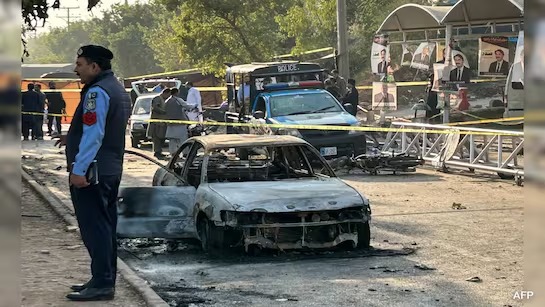
Emergency responders described the scene as extremely challenging due to the confined space inside the mosque and the large number of injured people. Blood-stained prayer mats, damaged walls, and shattered glass bore silent witness to the brutality of the attack.
Security forces cordoned off the area immediately, restricting access while bomb disposal squads conducted thorough searches to ensure no secondary explosive devices were present.
Security Forces Launch Investigation
Pakistan’s law enforcement agencies launched a full-scale investigation into the attack, focusing on identifying the attacker, tracing his movements, and uncovering any networks involved. Initial findings suggested the bomber acted with premeditation, exploiting the vulnerability of a crowded prayer gathering.
Officials confirmed that CCTV footage from nearby areas was being reviewed and forensic evidence collected from the blast site. Intelligence agencies were also placed on high alert, fearing the possibility of follow-up attacks.
Authorities stated that the attacker appeared to have targeted the mosque deliberately, knowing it would be crowded during prayer time.
National Shock and Condemnation
The attack drew swift condemnation from political leaders, religious scholars, and civil society groups across the country. Statements described the bombing as an attack not only on innocent civilians but also on religious values and humanity itself.
Leaders emphasized that violence in places of worship represents a severe moral and ethical violation. Condolences poured in for the families of those killed, with promises of compensation and support for the injured.
The government reiterated its commitment to combating terrorism and ensuring the safety of citizens, particularly in sensitive locations such as mosques, schools, and public gatherings.
Renewed Fears of Urban Terrorism
The Islamabad blast has raised serious concerns about security in major cities. While Pakistan has experienced a decline in large-scale attacks in recent years, recent incidents suggest militant groups may be attempting to reassert their presence.
Security analysts believe the choice of location was deliberate, aimed at maximizing casualties and psychological impact. Attacks during prayer are especially disturbing as they target people at their most vulnerable moment.
Experts warn that militant groups often use such attacks to send a message of fear and challenge state authority, particularly in symbolic locations like the capital city.
Impact on Worshippers and Communities
Beyond the immediate casualties, the emotional impact on survivors has been profound. Many worshippers said they are struggling to come to terms with what happened, experiencing fear, anxiety, and grief.
Families of the victims gathered at hospitals and morgues, waiting anxiously for news. Some described the victims as regular worshippers who had attended prayers for years, never imagining such violence could strike their place of worship.
Community leaders have urged people to remain united and not allow fear to disrupt religious harmony or daily life.
Security Measures Likely to Increase
In response to the attack, authorities announced plans to strengthen security at religious sites across Islamabad and other major cities. Additional police patrols, checkpoints, and surveillance measures are expected to be deployed.
Mosque administrations have also been advised to cooperate with security agencies by monitoring entry points and reporting suspicious behavior. While such measures aim to prevent future attacks, many worshippers expressed concern that increased security could alter the sanctity and openness of prayer spaces.
A Grim Reminder of Ongoing Threats
The suicide blast in Islamabad serves as a stark reminder that despite counterterrorism efforts, the threat of extremist violence has not been eliminated. The attack has reignited debates over intelligence coordination, border security, and deradicalization strategies.
Analysts stress that long-term solutions must include not only security operations but also addressing ideological extremism and social vulnerabilities that allow militant groups to recruit attackers.
A City Mourns and Seeks Answers
As Islamabad mourns the victims of the attack, candles and prayers have become symbols of solidarity. Religious leaders have called for peace, urging followers to reject violence and hatred in all forms. For now, the city remains on edge, waiting for answers about who was behind the attack and whether justice will be delivered. What is certain is that the blast has left an indelible scar on the community and renewed urgency in the fight against terrorism.