

|
Getting your Trinity Audio player ready...
|
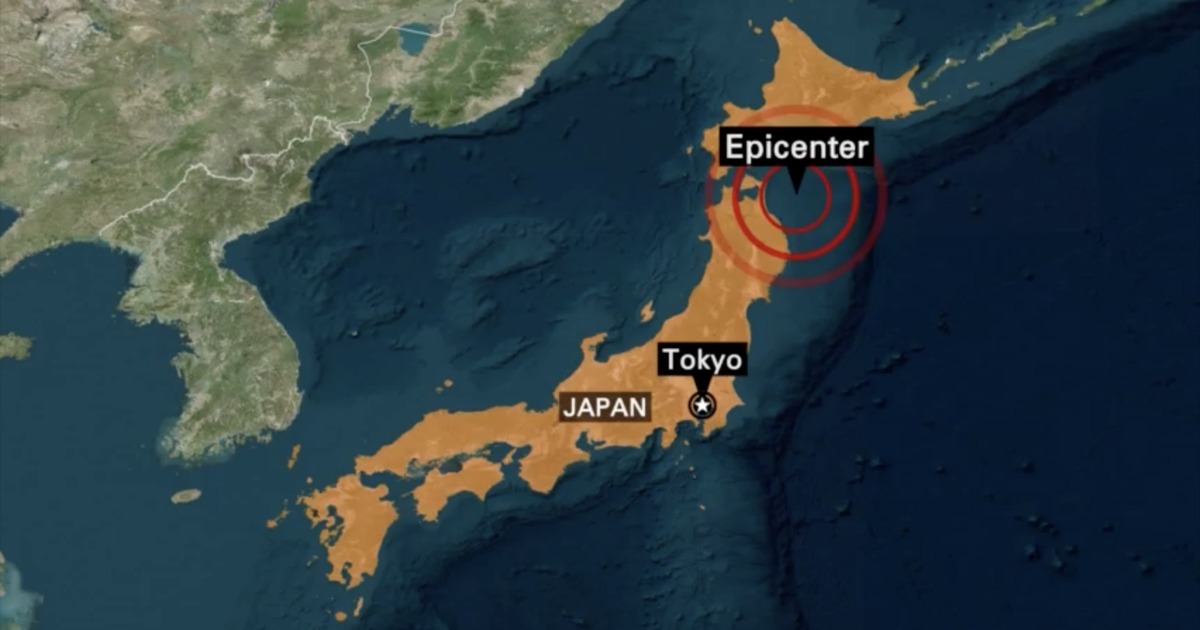
Japan faced a major natural emergency after a powerful 7.6-magnitude earthquake struck off the northeastern coast on Monday night. The tremors, which were felt across several prefectures, sent shockwaves both literally and emotionally through the country, prompting authorities to issue immediate tsunami warnings and order mass evacuations from coastal regions.
The earthquake struck deep beneath the Pacific Ocean, not far from Aomori Prefecture, causing strong shaking across northern Japan. Within minutes, the Japan Meteorological Agency activated high-alert tsunami advisories for Aomori, Iwate and Hokkaido, urging thousands of residents to leave low-lying coastal areas and move to higher, safer ground.
Early reports from local authorities confirmed that the first tsunami waves had begun reaching the shoreline. In several coastal towns, water surges measuring nearly half a meter were recorded, with experts warning that larger and more dangerous waves could follow as the sea remained unsettled. Officials stressed that even relatively smaller waves could carry destructive force when combined with unpredictable tidal conditions.
Public transport was immediately disrupted as a safety measure. Bullet trains running through the Tohoku region were halted, several highways were temporarily closed, and emergency sirens echoed across coastal communities. Disaster-response teams were dispatched to vulnerable zones to assist with evacuations and monitor potential damage to infrastructure.
Japan’s emergency management agencies warned residents to brace for strong aftershocks in the coming hours. The government also launched an emergency task force to coordinate rescue efforts, damage assessments, and support for displaced residents. Prime Ministerial officials urged the public to remain calm but vigilant, emphasizing that the situation remained fluid and continuously evolving.
The quake revived painful memories of previous seismic disasters, especially the 2011 tragedy that devastated the Tohoku region. Many residents reported feeling anxious as they rushed to evacuation centers, carrying only essential belongings. Shelters quickly opened their doors, offering blankets, food supplies, and emergency medical assistance.
As dawn approached, authorities continued monitoring sea levels and structural safety while urging citizens not to return to coastal areas until official clearance is given. The full extent of the damage is still being evaluated, and updates on injuries or infrastructure losses are expected as rescue workers gain better access to affected zones. Japan, one of the world’s most earthquake-prone nations, remains on high alert as it navigates yet another powerful reminder of the region’s seismic vulnerability.