

|
Getting your Trinity Audio player ready...
|
The Brutal Feud That Shook Seraikela-Kharswan
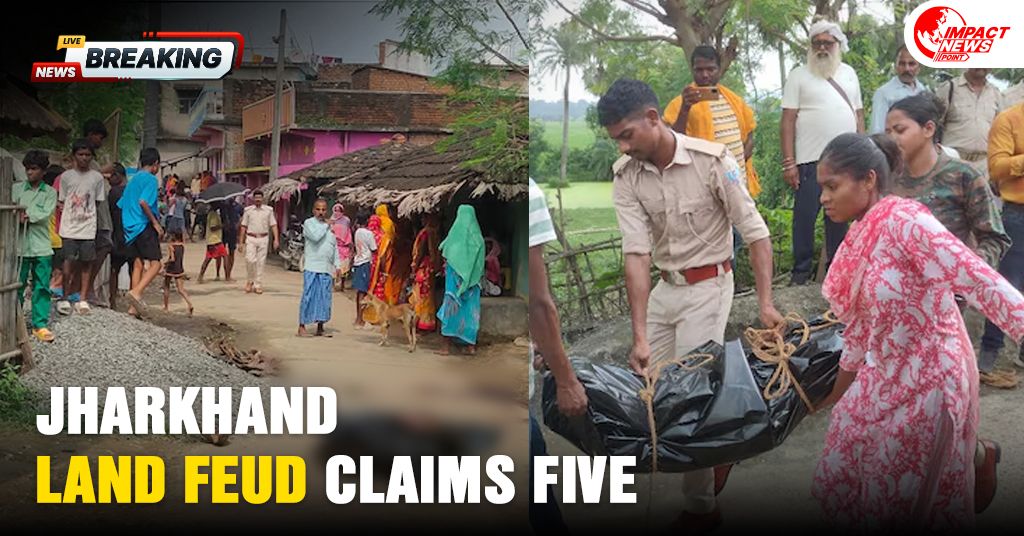
A heartbreaking tragedy unfolded in Pudisili village, deep in Jharkhand’s Seraikela-Kharswan district, where a long-simmering land dispute within a family escalated into shocking violence. Driven by anger and a sense of betrayal, Chunnu Manjhi, a local resident, resorted to an unimaginable act killing five members of his own family, including three innocent children, in what the court later called a “rarest of rare” crime.
Roots of the Tragedy, A Land Dispute Gone Horribly Wrong
The incident traces back to a land sale, the proceeds of which were divided among four brothers. Chunnu, believing he was shortchanged, let his resentment grow unchecked. In a moment of rage, fuelled by feelings of injustice, he attacked his brother Ravi, Ravi’s wife Kalpana, and their three children with an axe. The violence did not stop there.
A Night of Horror More Victims, More Pain
The carnage continued as Chunnu went on to his other brother Sidhu’s house, still wielding his axe. When Sidhu opened the door, Chunnu brutally attacked both Sidhu and their mother. Not content with mere violence, Chunnu also set Sidhu’s house and two-wheeler ablaze an act of destruction that left the family shattered and the community reeling.
The Long Road to Justice, Arrest, Trial, and Verdict
The horror ended only when police arrived and apprehended Chunnu at the scene. The legal process that followed was swift and resolute. District and Additional Session Judge Sachindra Nath Sinha convicted Chunnu under Section 302 of the IPC (murder), finding him guilty by forensic evidence and the testimony of 11 key witnesses. The court labelled the killings as “”, sentencing Chunnu to death an unequivocal statement against such acts.
Impact, Reflection, and Community Response
Apart from the death sentence, Chunnu received a fine of Rs 20,000, and two years of imprisonment for arson under Section 427 of the IPC. The horrifying event has left the community mourning and reconsidering the consequences of unresolved disputes and unchecked anger, urging stronger measures for mediation and mental health care in rural areas. The story stands as a stark warning on the dangers of letting grievances spiral out of control.