
|
Getting your Trinity Audio player ready...
|
East Jaintia Hills, Meghalaya:
A devastating explosion at an illegal coal mine in Meghalaya has claimed the lives of at least 18 workers, sending shockwaves across the country and once again exposing the deadly consequences of unsafe and unregulated mining practices. The blast occurred early Thursday morning in the remote East Jaintia Hills district, an area long associated with illegal rat-hole coal mining.
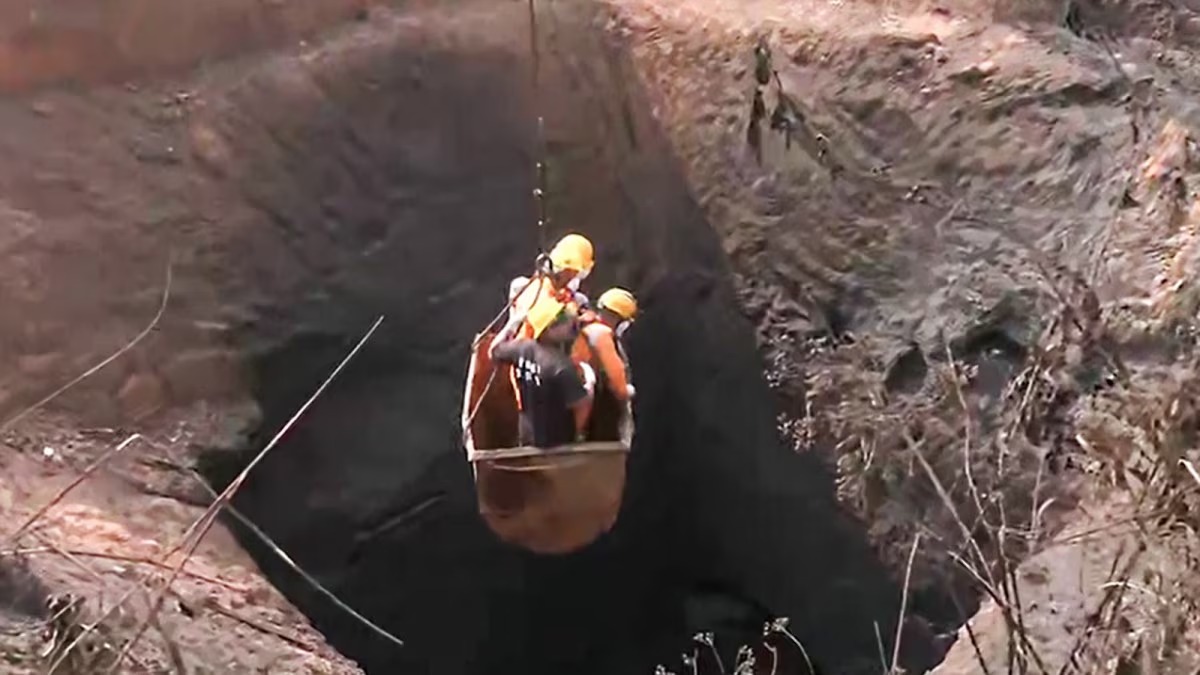
Authorities confirmed that rescue operations continued throughout the day as teams worked under extremely hazardous conditions to retrieve bodies from deep underground tunnels. One miner was rescued alive and rushed to a nearby hospital in critical condition. Officials fear the death toll could rise as it remains unclear how many workers were inside the mine at the time of the explosion.
Explosion in a Narrow Underground Pit
According to district officials, the explosion took place inside a narrow rat-hole mine where labourers were extracting coal from cramped tunnels barely wide enough for a person to crawl through. The force of the blast caused parts of the tunnel to collapse instantly, trapping workers beneath debris and toxic gases.
Rescue teams faced significant challenges due to the unstable nature of the mine, lack of ventilation, and difficult terrain. Heavy machinery could not be deployed fully because of the risk of further collapses, forcing personnel to proceed cautiously using manual methods.
Local residents reported hearing a loud blast followed by panic as people rushed toward the mining site. Many families waited anxiously for hours, hoping their loved ones would emerge alive.
Illegal Rat-Hole Mining Under the Spotlight
The mine where the explosion occurred was operating illegally using the rat-hole mining method, a practice officially banned due to its extreme danger and environmental damage. Rat-hole mining involves digging narrow vertical and horizontal tunnels that lack basic safety measures such as proper support structures, ventilation systems, or emergency exits.
Despite the ban, illegal rat-hole mining continues in parts of Meghalaya, driven by economic hardship and weak enforcement. Labourers, often from impoverished backgrounds, are drawn to the work due to lack of alternative employment, even though it places their lives at constant risk.
Experts have repeatedly warned that explosions, gas leaks, and tunnel collapses are common in such mines and that even a minor spark can turn fatal in seconds.
Rescue Operations and Official Response
District authorities immediately launched a large-scale rescue operation involving police, disaster response teams, and medical personnel. However, officials admitted that progress was slow due to the depth of the mine and the fragile condition of the underground tunnels.
Senior police officials stated that every effort was being made to ensure the safety of rescue workers while continuing search operations. Temporary suspension of rescue work was ordered during night hours due to safety concerns, with operations resuming at daylight.
The Meghalaya government announced a formal investigation into the incident, promising strict action against those responsible for running illegal mining operations. Officials said that identifying mine owners and contractors involved would be a top priority.
Political and Administrative Reaction
Meghalaya Chief Minister Conrad Sangma expressed deep grief over the loss of lives and assured families of the victims that the state government would provide all possible support. He emphasized that illegal mining would not be tolerated and that accountability would be fixed.
At the national level, Prime Minister Narendra Modi conveyed condolences to the families of the deceased and wished a speedy recovery to the injured worker. The central government also announced compensation for the families of those who lost their lives, calling the incident deeply tragic.
Union officials stated that the incident would be reviewed at the highest level and that coordination with the state government would be strengthened to prevent similar disasters.
A Repeated Pattern of Deadly Accidents
This tragedy is not an isolated case. Meghalaya has witnessed multiple mining accidents over the years, many of them involving illegal rat-hole mines. Despite court bans and repeated warnings, enforcement on the ground has remained inconsistent.
Mining accidents in the region have repeatedly exposed gaps in regulation, lack of monitoring, and the influence of local mining networks that continue to operate beyond legal oversight.
Labour rights activists argue that unless strict enforcement mechanisms are put in place and illegal mining networks dismantled, such tragedies will continue to occur.
Human Cost Behind Illegal Mining
Most workers involved in illegal coal mining belong to economically vulnerable communities. They work long hours in hazardous conditions for minimal wages, often without any form of insurance or safety equipment.
Families of the deceased miners described the victims as sole breadwinners who took up mining out of desperation rather than choice. The sudden loss has left households shattered, both emotionally and financially.
Social organizations have stressed that poverty and lack of alternative livelihoods push workers into dangerous occupations, making economic reform and employment generation critical to solving the problem.
Environmental Damage Adds to the Crisis
Apart from human casualties, rat-hole mining has caused extensive environmental damage in Meghalaya. Polluted rivers, degraded forests, and unstable land structures are common in mining-affected areas.
Environmental experts argue that unchecked mining not only threatens lives but also destroys fragile ecosystems, affecting agriculture, water sources, and long-term sustainability of the region.
Calls have grown louder for sustainable development programs that can provide safe employment while protecting the environment.
Demand for Stronger Laws and Enforcement
In the aftermath of the explosion, civil society groups and activists have renewed demands for stricter enforcement of mining laws, better monitoring, and harsher penalties for illegal operators.
They have also called for rehabilitation programs for mining-dependent communities, urging the government to create safer livelihood alternatives and improve awareness about the risks of illegal mining.
Experts say meaningful reform will require cooperation between state authorities, law enforcement agencies, and local communities.
A Tragedy That Demands Change
As rescue operations conclude and investigations begin, the Meghalaya mine blast stands as a grim reminder of the cost of negligence and illegal practices. The loss of 18 lives has left an indelible mark on the region and reignited a national debate on mining safety and accountability. For families grieving their loved ones, justice and change cannot come soon enough. Whether this tragedy leads to real reform or fades into history like many before it will depend on the actions taken in the days ahead.