

|
Getting your Trinity Audio player ready...
|
BY IMPACT NEWS POINT-
India is facing a fast-growing yet largely unnoticed health threat Non-Alcoholic Fatty Liver Disease (NAFLD). Doctors and researchers are sounding the alarm as the condition quietly spreads across age groups, lifestyles and regions, making it one of the country’s most worrying emerging health challenges.
Once believed to be a rare disorder, NAFLD is now affecting millions of Indians, including young adults and people with no history of alcohol consumption. And what makes it particularly dangerous is its silent nature: the disease often develops with no clear symptoms until it advances into more serious liver damage.
What Exactly Is NAFLD and Why Is It Rising So Fast?
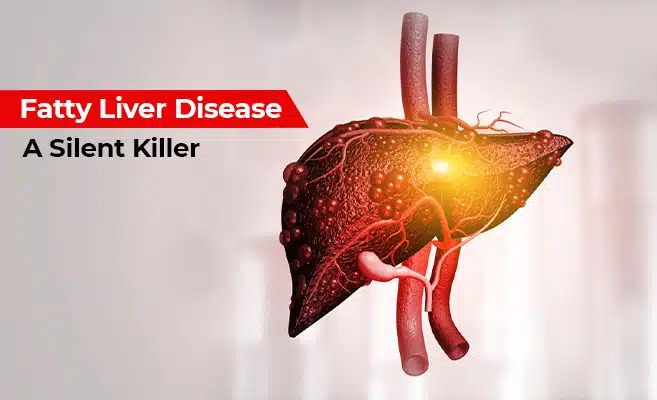
NAFLD is a condition where fat builds up in the liver even though the person does not drink alcohol. Over time, this fat can cause inflammation, liver scarring, and in severe cases, lead to cirrhosis or liver failure.
Health experts say the rapid rise of NAFLD in India is linked to major lifestyle shifts that have taken place in the last decade. Urban lifestyles now include:
- High consumption of processed and sugary foods
- Sedentary routines
- Stress-driven eating habits
- Irregular sleep cycles
- Rapid rise in obesity and diabetes
These factors create the perfect conditions for liver fat accumulation, even in people who appear healthy from the outside.
Younger Population at Higher Risk Than Before
A worrying trend emerging across Indian hospitals is the increasing number of young adults showing signs of fatty liver disease. People in their 20s and early 30s, who traditionally were not considered at risk, are now frequently being diagnosed due to poor diet quality, high sugar intake and long hours of screen-based work.
Doctors say that NAFLD is no longer a disease limited to older age groups it is firmly becoming a youth health crisis.
Why NAFLD Is Dangerous Despite Being “Silent”
What makes NAFLD particularly concerning is that most individuals do not experience obvious symptoms in the early stages. Many discover the condition accidentally during routine health tests or ultrasound checks.
If left unnoticed for years, NAFLD can progress into:
- Non-Alcoholic Steatohepatitis (NASH)
- Liver inflammation
- Fibrosis (liver scarring)
- Cirrhosis
- Increased risk of liver cancer
Experts warn that if the rising trend continues, India may see a steep spike in liver-related complications and transplant requirements in the coming years.
India’s Changing Lifestyle at the Core of the Problem
Several cultural and economic shifts have contributed to this silent health crisis:
- Growing dependence on packaged snacks and fast food
- High daily sugar intake through tea, soft drinks and sweets
- Increased work-from-home sedentary habits
- Stress-induced late-night eating
- Reduced physical activity in both cities and small towns
These patterns together have made NAFLD one of the fastest rising metabolic disorders in the country.
Rural India Is Not Far Behind
While fatty liver disease was earlier considered an “urban problem,” the situation has drastically changed. Rural regions, too, are witnessing a jump in cases due to expanding access to processed foods, changing dietary habits and reduced physical labor.
Experts say NAFLD is now a pan-India challenge, not limited to big cities.
Health Experts Call for National Awareness
Public-health professionals are urging India to treat NAFLD with the seriousness it deserves. They emphasize the need for:
- Early screenings
- Public-awareness campaigns
- Education on nutrition and physical activity
- Better understanding of early warning signs
With millions of Indians at risk, many believe the country needs a more structured national approach to prevent long-term liver damage. India is standing at a critical point in its public-health journey. NAFLD may not cause immediate pain or discomfort, but its long-term impact can be devastating. As the disease rises silently, experts hope stronger awareness and preventive steps can stop it from becoming one of India’s biggest health emergencies in the coming decade.