
|
Getting your Trinity Audio player ready...
|
Controversial UN Address Amid Global Backlash
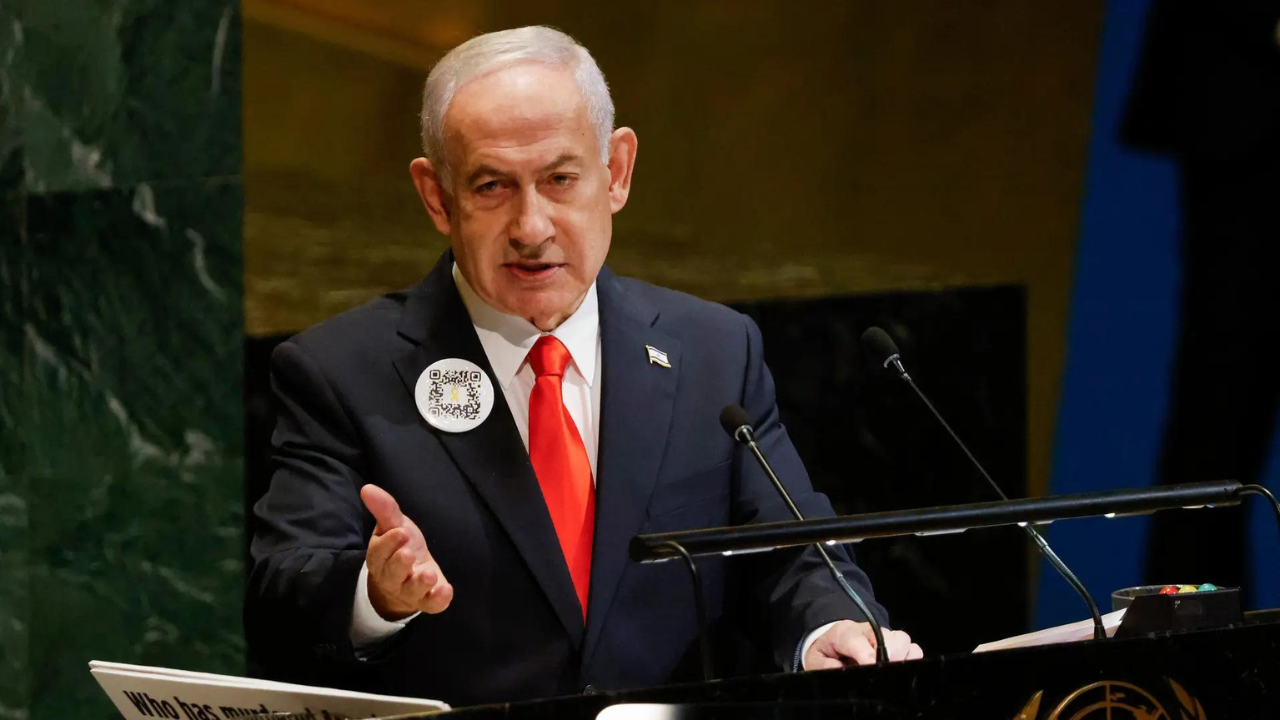
In a forceful and contentious speech before the United Nations General Assembly, Israeli Prime Minister Benjamin Netanyahu strongly rejected accusations that Israel is committing genocide in Gaza. With growing international criticism over Israel’s prolonged military campaign, Netanyahu vowed to continue his country’s operations against Hamas militants, declaring that Israel “must finish the job.” His address took place against a backdrop of escalating tensions and widespread calls for a ceasefire.
Denial of Genocide and Rebuttal of Humanitarian Criticism
Netanyahu categorically denied findings from a UN inquiry and numerous experts that Israel’s actions constitute genocide. He argued that Israel’s efforts to evacuate civilians in Gaza contradicted any claim of intent to systematically destroy the population. Claiming Hamas misappropriates humanitarian aid, Netanyahu rejected allegations that Israel deliberately starves the Gaza population and called these accusations defamatory and unfounded.
Political Context and Global Reactions
The Israeli leader harshly criticized Western nations that recently recognized Palestine as a state, labeling their decisions as “disgraceful” and warning it would incite terrorism worldwide. His speech drew immediate disapproval from many countries; as he took the stage, numerous delegates walked out in protest. Demonstrations against Netanyahu’s visit took place outside the UN headquarters, reflecting widespread international condemnation.
Focus on Hostages and Military Resolve
Netanyahu highlighted the ongoing captivity of Israeli hostages in Gaza, assuring the Israeli public and the international community that “we have not forgotten you for even a second.” His speech was broadcast into Gaza via loudspeakers, with Israeli forces reportedly attempting to send the address directly to mobile phones in the territory, urging Hamas to release the captives. He warned of grave consequences if his demands were not met.
Regional Security and Wider Conflict
The Prime Minister framed the Gaza conflict as part of a broader “seven-front war” involving Iran-backed groups and hostile neighbors, underscoring Israel’s complex security challenges. He signaled ongoing military measures against regional adversaries beyond Gaza, asserting Israel’s resolve to maintain its defense strategy despite mounting international pressure.
Parting Thoughts
Defiant Stand Amid Isolation
Netanyahu’s UN address was marked by a mix of defiance, strategic messaging, and an appeal to Israel’s allies. While the United States continued its support, many world leaders distanced themselves, reflecting Israel’s increasing diplomatic isolation. Netanyahu’s firm refusal to halt military action in Gaza signals a continuation of the conflict with unpredictable humanitarian and geopolitical consequences.