
|
Getting your Trinity Audio player ready...
|
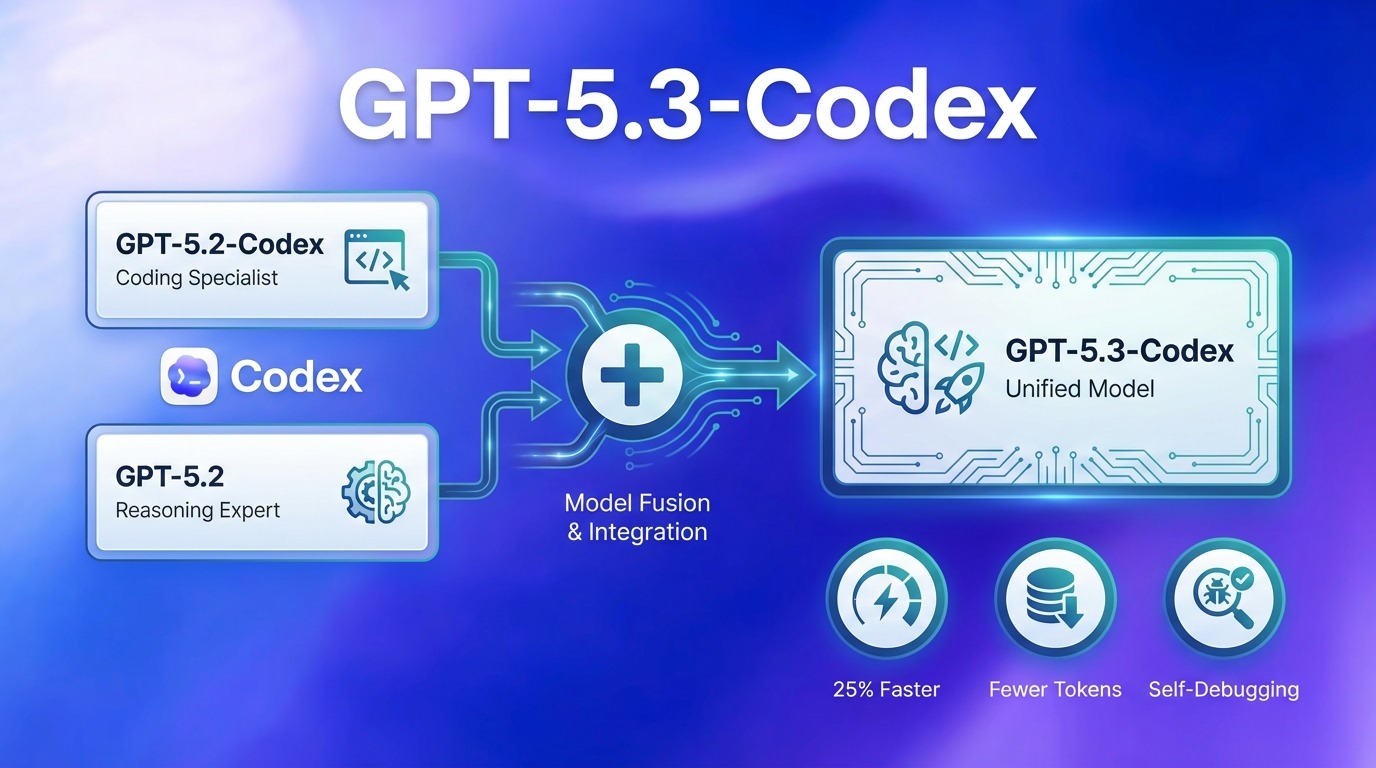
The global race to dominate artificial intelligence powered software development has taken a decisive turn as OpenAI officially introduced its new Codex app, a dedicated platform designed to help developers write, understand, and manage code faster than ever before. With this launch, OpenAI has made it clear that it wants a stronger foothold in the fast growing AI coding ecosystem, where competition among tech giants and startups is intensifying by the day.
The Codex app arrives at a moment when developers across the world are actively looking for smarter tools that can reduce repetitive tasks, accelerate development cycles, and help teams focus more on problem solving rather than syntax. Artificial intelligence powered coding assistants have already become part of daily workflows for many programmers, and OpenAI’s latest move signals an ambitious push to redefine how such tools are used.
What the Codex App Brings to the Table
Unlike earlier AI coding features that were often embedded inside broader platforms, the Codex app is positioned as a more focused and developer centric product. It is built to act as an intelligent coding companion that understands natural language instructions and translates them into functional code across multiple programming languages.
The app allows users to describe what they want to build in plain English and receive code suggestions that can be reviewed, edited, and implemented instantly. Beyond code generation, Codex is designed to help developers debug existing programs, explain unfamiliar code, and even suggest improvements for efficiency and readability.
This approach reflects a growing demand among developers for tools that do not just generate code but also help them understand and maintain it. In modern software development, clarity and collaboration are just as important as speed, and Codex aims to support both.
Why OpenAI Is Doubling Down on Coding Tools
The launch of Codex is not happening in isolation. The AI coding space has become one of the most competitive segments in technology, with multiple players racing to become the default assistant for developers. From integrated development environment plugins to standalone coding platforms, AI powered solutions are rapidly reshaping how software is written.
For OpenAI, Codex represents a strategic move to strengthen its presence in this high value market. Coding tools are not just productivity boosters, they are gateways into long term enterprise adoption. Once a development team integrates an AI assistant into its workflow, switching away becomes difficult. This makes the developer ecosystem a critical battleground for AI companies.
By offering Codex as a dedicated app, OpenAI is signaling its intent to compete directly with other AI coding solutions while offering a product that reflects years of research in language models and developer use cases.
How Codex Could Change Developer Workflows
One of the most talked about aspects of the Codex app is how seamlessly it blends natural language and programming logic. Developers can ask questions about their own codebase, request changes, or generate entirely new modules without writing everything from scratch.
For junior developers, this could significantly shorten the learning curve by providing real time explanations and examples. For experienced programmers, Codex can act as a productivity multiplier, handling boilerplate code and allowing them to focus on architecture and innovation.
The app is also expected to be useful for non-traditional programmers, such as product managers or data analysts, who often need to work with code but may not be fluent in multiple programming languages. By lowering the barrier to entry, Codex could broaden participation in software creation.
Concerns Around Accuracy and Over Reliance
While excitement around AI coding tools continues to grow, concerns remain about accuracy and over reliance. AI generated code can sometimes include subtle bugs or security vulnerabilities if not reviewed carefully. OpenAI appears aware of these challenges and has emphasized that Codex is meant to assist developers, not replace human judgment.
Industry experts have repeatedly stressed the importance of treating AI output as a starting point rather than a final solution. Codex’s ability to explain its suggestions could help mitigate risks by encouraging developers to understand what the code does before deploying it.
Another concern is how AI tools might impact skill development. Some fear that heavy reliance on AI could weaken core programming skills over time. Others argue that tools like Codex will simply shift the focus toward higher level problem solving, much like calculators did for mathematics.
The Competitive Landscape Heats Up
The launch of Codex comes at a time when nearly every major technology company is investing heavily in AI assisted development. Coding assistants are being positioned as must have tools for startups, enterprises, and independent developers alike.
What sets Codex apart is OpenAI’s deep expertise in language models and its strong brand recognition within the AI community. Developers already familiar with OpenAI’s tools may find it easier to trust and adopt Codex compared to newer entrants.
At the same time, competition will likely push rapid innovation. Features such as deeper integration with development environments, better support for large codebases, and stronger security controls are expected to become key differentiators in the coming months.
Implications for the Future of Software Development
The introduction of the Codex app highlights a broader shift in how software is created. AI is no longer just an experimental add on, it is becoming a core part of the development process. This shift could lead to faster product launches, smaller development teams achieving bigger results, and more inclusive access to programming skills.
For businesses, this means shorter development cycles and potentially lower costs. For developers, it could mean spending less time on repetitive tasks and more time on creative problem solving.
However, it also raises questions about how coding education should evolve. As AI tools become more capable, training programs may need to focus less on memorization and more on understanding systems, logic, and ethical considerations.
A Strategic Step in the AI Coding Race
With Codex, OpenAI has made a clear statement that it intends to be a leader in AI powered software development, not just a background technology provider. The app represents a step toward making AI a more visible and interactive partner in the coding process.
As developers begin experimenting with Codex and integrating it into their workflows, real world feedback will shape its evolution. Whether it becomes a daily tool for millions of programmers or remains a niche solution will depend on how well it balances power, reliability, and usability. One thing is certain. The AI coding race is accelerating, and OpenAI’s Codex app has added fresh momentum to a competition that is redefining the future of technology.