

|
Getting your Trinity Audio player ready...
|
Public Safety News
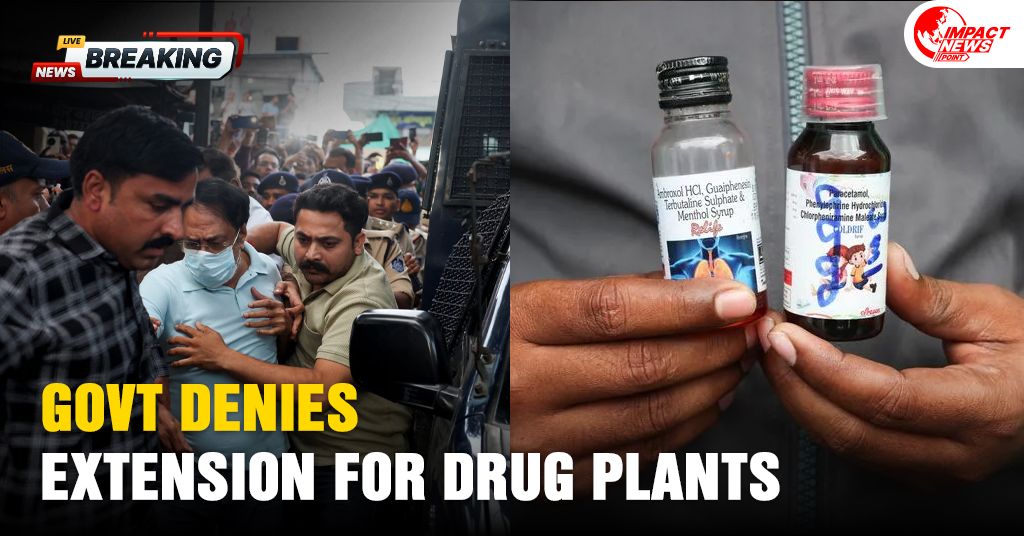
In response to widespread public anger over the recent tragic deaths of at least 24 children linked to a toxic cough syrup, the Indian government has declined appeals from drug manufacturers to extend the December 2024 deadline for upgrading their production facilities to meet stricter safety standards.
The move comes after tests revealed dangerously high levels of diethylene glycol (DEG) , a toxic industrial solvent in the syrup brand Coldrif, produced by Sresan Pharmaceutical. Officials say the company failed to implement mandatory safety upgrades, making the extension request untenable.
Why This Deadline Extension Was Denied
The government had earlier mandated in late 2023 that all pharmaceutical plants comply with WHO-recommended manufacturing norms standards meant to prevent cross-contamination, ensure safe solvents, and enforce rigorous batch testing.Larger drug companies met a June 2024 deadline, while smaller firms were granted more time to comply by December 2024.Some smaller manufacturers had warned that the cost of such upgrades could push them into bankruptcy and asked for further relief. But after evidence showed Sresan had not acted and its products caused fatalities, regulators decided to draw a line. “The deadline cannot be extended again and again, people are dying,” a source informed Reuters.Drugmakers were informed of the government’s decision at a conference in October. Officials say that larger firms, already in compliance, are expected to fill any gaps in supply.
The Contamination, the Fallout, and Public Outcry
The recent deaths were traced to a May 2025 batch of Coldrif syrup, which was found to contain 48.6% DEG nearly 500 times the permissible limit. DEG is dangerous to human health, especially for young children, as it can cause kidney failure and death.
Authorities have revoked Sresan’s manufacturing license, arrested its founder, and launched criminal investigations. Some local doctors and pharmacies are also under scrutiny in the probe. In many parts of Madhya Pradesh, drug inspectors have begun raids and sampling of cough syrups. Some pharmacies that sold ‘’Coldrif’’ ’have been shut down pending investigations. Officials are urging the public to hand over any remaining bottles of Coldrif they may possess.
Public outrage has been intense, with parents and civil society demanding accountability, stricter regulation, and reforms in India’s drug oversight system.
Consequences for Smaller Pharma Firms & Policy Implications
Many smaller pharmaceutical manufacturers had pleaded for more time, citing high investment costs and risk of closure. In states like Himachal Pradesh, trade bodies warned that dozens of plants might shut down under the pressure.
Still, regulators argue that public safety must come first, especially in life-and-death matters. They believe that the compliant larger firms can absorb short-term supply gaps.
Once this upgrade wave is complete, the government plans to phase out a rule introduced in 2023 that requires extra government testing of cough syrups before export. That rule doesn’t currently apply to syrups for domestic use, a point that had raised concerns about selective enforcement.
What It Means for India’s Pharma Reputation & Public Trust
India is known globally as the “pharmacy of the world.” But repeated incidents of contaminated medicines have damaged that image. By rejecting the extension, the government is signaling that it will not tolerate lax safety standards even from smaller firms. It is trying to restore public confidence and strengthen regulation. But challenges remain: ensuring full compliance across thousands of factories, maintaining supply of medicines, avoiding shortages, and managing the financial hit for weaker manufacturers.