
|
Getting your Trinity Audio player ready...
|
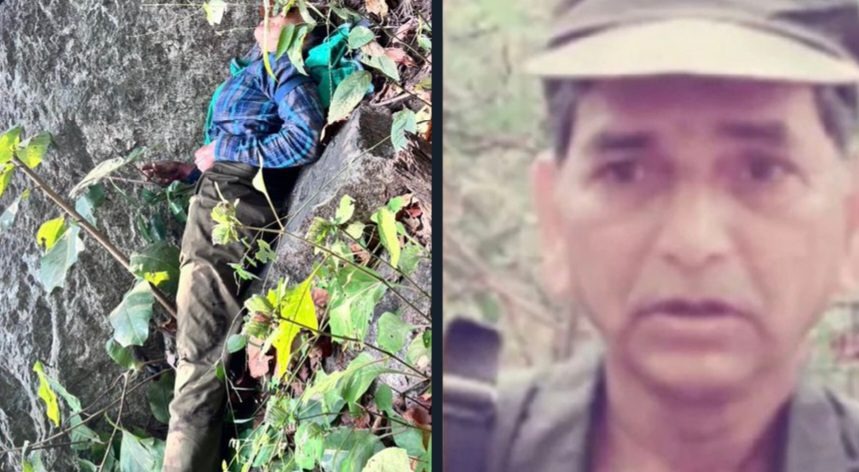
The investigation into the November 10 Red Fort blast has entered a crucial phase as the Jammu & Kashmir Police’s State Investigation Agency (SIA) has arrested a 30-year-old electrician from Pulwama, identified as Tufail Niyaz Bhat. His detention marks another major step in uncovering what authorities now describe as a highly organised and professionally structured “white-collar” terror module operating across multiple states.
Investigators believe Bhat’s skillset and background may have been used to support the technical aspects of the attack. Officers involved in the probe revealed that preliminary evidence connects him to the broader network responsible for planning the explosion that killed ten people and triggered high-level security alerts across Delhi and neighbouring regions.
This arrest follows a chain of earlier detentions that began after security agencies in Srinagar discovered threatening graffiti posters in October posters that hinted at the presence of an organised cell functioning quietly in the Valley. Those initial clues led to the arrest of three individuals suspected of distributing propaganda material. Soon after, a former paramedic-turned-religious preacher was also taken into custody, accused of guiding and influencing the group ideologically.
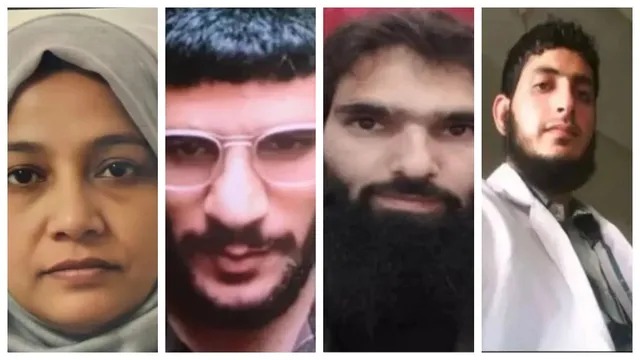
As the investigation expanded beyond Kashmir, authorities unearthed a major cache of nearly 2,900 kilograms of explosives from a rented room linked to an educational institution in Faridabad, Haryana. Two individuals with medical backgrounds were arrested from the premises, shedding light on the possibility that the module included educated professionals who used their social credibility as a cover.
Sources say the sheer volume of explosives recovered indicates long-term planning, careful logistics and a coordinated operation spread across different states. This is what has pushed investigators to describe the organisation as a “white-collar terror module”, a network involving individuals from various respected professions rather than traditional extremist operatives.
Security agencies believe that the Red Fort blast may have involved individuals across Pulwama, Anantnag, Lucknow and parts of Haryana. With Bhat’s arrest, the list of suspects now includes people with backgrounds in technical trades, healthcare, and religious engagement marking a shift in how terror outfits recruit and operate. Instead of relying solely on conventional foot soldiers, these modules appear to use professionals for planning, funding, logistics, and technical execution.
Officials also caution that Bhat’s involvement may have gone beyond basic assistance, and investigators are now analysing whether his technical experience as an electrician played a role in assembling or modifying the device used in the attack.
The arrest has raised public concerns about how deeply such networks may be embedded across different regions of the country. Investigators say the probe is far from over, and more arrests may follow as they examine the movement of funds, the supply chain of explosive materials, and encrypted communication between members. With the Red Fort blast investigation widening, security agencies reassured citizens that they are closing in on all individuals linked to the network. The arrest of Tufail Niyaz Bhat, officials say, could be a turning point that unravels the full scale of one of the most sophisticated terror modules seen in recent years.