

|
Getting your Trinity Audio player ready...
|
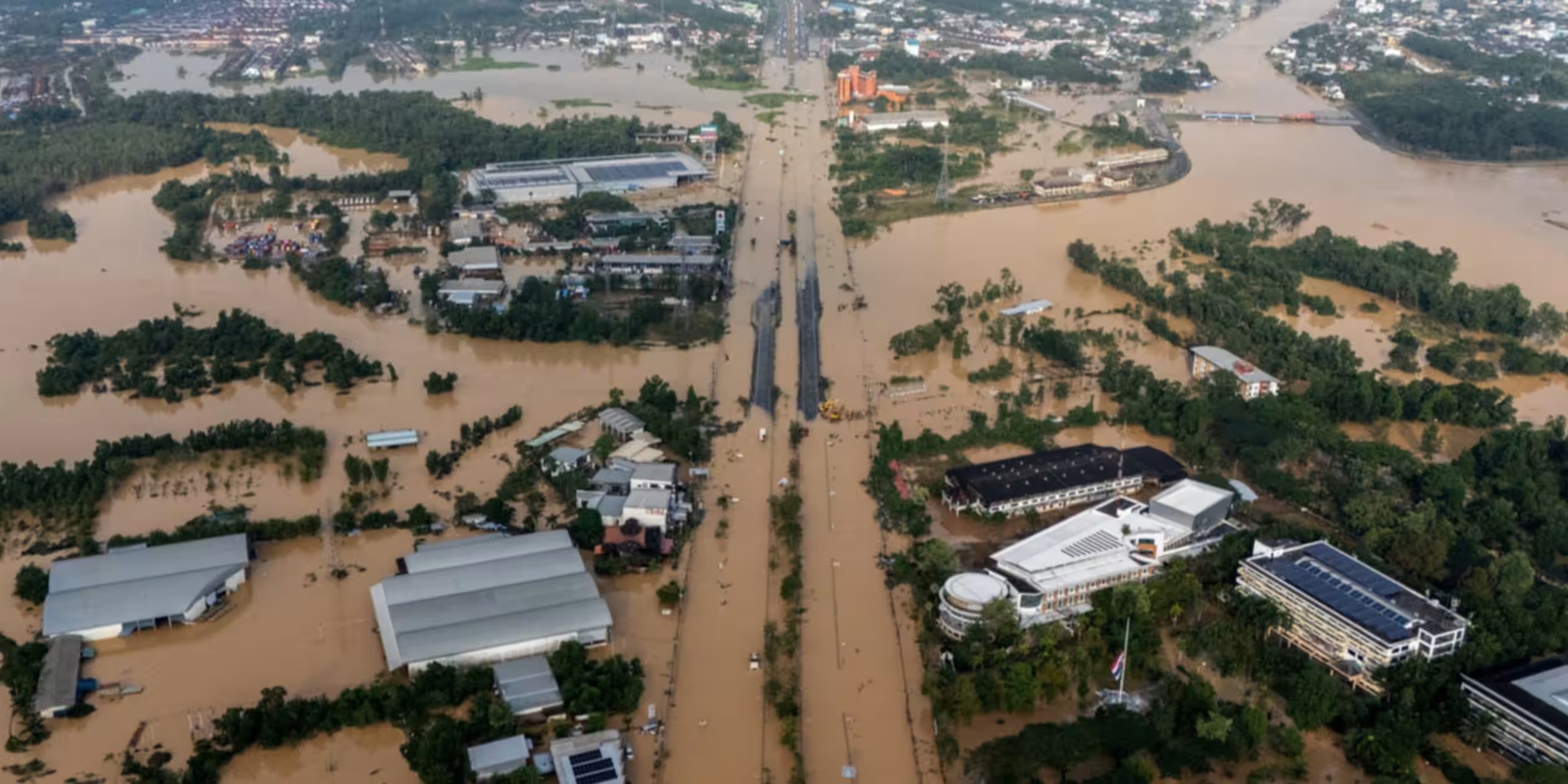
Southeast Asia is currently confronting one of its most devastating natural disasters in recent memory, as relentless rains continue to trigger widespread floods and landslides across multiple countries. Entire communities have been submerged, roads washed away, and farmlands destroyed, leaving millions struggling to cope with the rapidly worsening humanitarian crisis.
Officials in the affected nations report that the combined impact of overflowing rivers, collapsing hillsides and continuous rainfall has already led to hundreds of deaths, with the toll expected to rise as rescue teams reach remote areas still cut off by high water and blocked terrain. Many villages remain unreachable, forcing authorities to rely on boats, helicopters and makeshift rafts to deliver basic supplies.
For families living along riverbanks and low-lying districts, the last several days have been a terrifying blur of rushing water, collapsing homes and desperate evacuations. Shelters in several provinces are now overcrowded, and thousands of people who fled with only the clothes they were wearing are waiting for clean water, food, and medical aid. The disaster has also displaced millions, pushing governments to declare states of emergency and call for international assistance.
Meteorologists warn that the rain is far from over. An unusual concentration of monsoon systems and tropical moisture continues to hover over the region, creating conditions that could lead to further flooding. This has heightened fears that already-weakened slopes may give way, triggering additional landslides in the coming days.
The economic impact is equally staggering. Transportation routes have been severed, electricity grids damaged, and agricultural losses are mounting at an alarming pace. In several coastal areas, rising water has contaminated freshwater sources, raising the risk of water-borne diseases and adding another layer of complexity to the unfolding crisis. As emergency workers race against time and worsening weather, Southeast Asia is rallying to protect its most vulnerable citizens. The situation remains fluid and extremely dangerous, with authorities urging residents in at-risk zones to leave immediately. The coming days will be critical in determining the scale of recovery efforts required, as the region grapples with a disaster that has reshaped landscapes, livelihoods and entire communities.