

|
Getting your Trinity Audio player ready...
|
September 2025
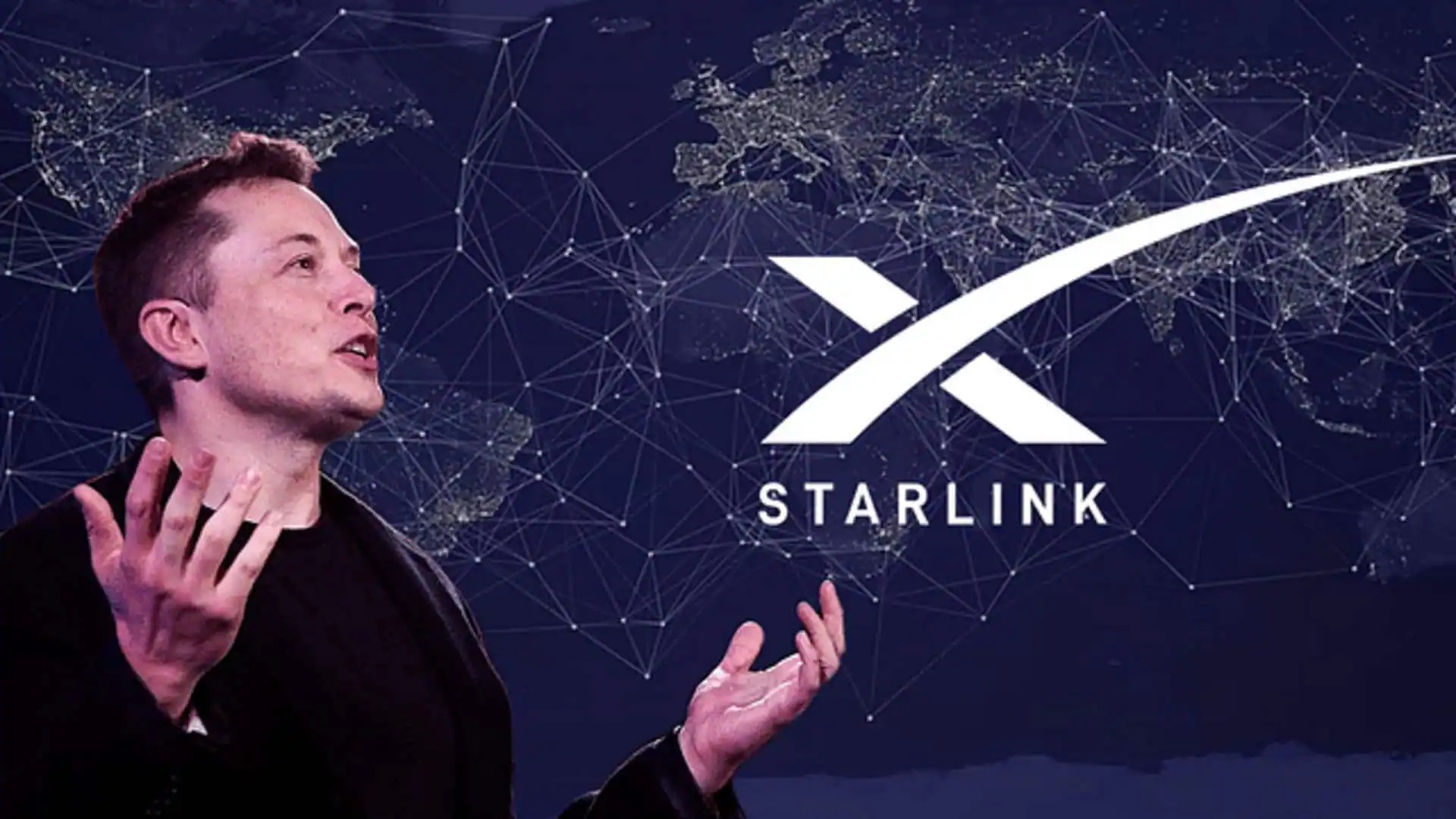
In a landmark move reshaping the future of mobile communications, SpaceX has finalized a $17 billion acquisition of wireless spectrum assets from EchoStar, giving Elon Musk’s satellite division its own airwaves for the first time. This unprecedented deal marks a critical turning point for Starlink’s ambition to deliver direct-to-cell connectivity worldwide, bridging gaps between satellite internet and traditional mobile networks.
The Structure of the Deal
The transaction is one of the most expensive spectrum acquisitions in history. Its terms include:
- $17 Billion Valuation: Structured as half cash (~$8.5B), half SpaceX equity (~$8.5B).
- Debt Commitments: SpaceX agreed to cover approximately $2 billion in EchoStar’s debt interest obligations through 2027.
- Spectrum Assets: The purchase centers on AWS-4 and H-block frequencies in the 2 GHz band, which are capable of serving both satellite and terrestrial communications.
This strategic move not only provides Starlink with control of prized frequencies but also strengthens its ability to operate independently of terrestrial telecom partnerships.
Strategic Significance of the Spectrum
Until now, Starlink relied heavily on collaborations such as with T-Mobile in the United States for its direct-to-device connectivity plans. By securing exclusive spectrum rights, SpaceX can proceed without dependency on third-party carriers, positioning Starlink to emerge as a direct competitor to established telecom operators.
This acquisition also eases previous regulatory challenges. The U.S. Federal Communications Commission (FCC) had been reviewing EchoStar for underutilizing its licensed 5G spectrum. The sale, combined with an earlier AT&T spectrum purchase, has now resolved those concerns, effectively closing the FCC probe.
Market Impacts and Industry Reactions
The announcement reverberated across the global telecom ecosystem. Stock prices of major carriers AT&T, Verizon, and T-Mobile fell as investors digested the long-term implications of SpaceX entering the wireless market with space-based infrastructure capable of bypassing traditional ground networks. Analysts noted that the move blurs the line between satellite and mobile services, potentially reshaping how connectivity is delivered in both developed and emerging markets.
Technological Roadmap
SpaceX is already preparing to deploy next-generation Starlink satellites, equipped with advanced laser interlinks and optimized for direct-to-cell services. Performance improvements are expected to exceed 100 times the bandwidth capacity of previous generations.
Key elements of Starlink’s integration plan include:
- Global Coverage Vision: Delivering LTE-quality service from orbit to conventional mobile handsets without additional hardware.
- Dead Zone Elimination: Offering connectivity in areas underserved or unreachable by terrestrial infrastructure remote oceans, deserts, and forests.
- Accelerated Deployment: With the advent of Starship 2.0, SpaceX aims to launch larger batches of upgraded satellites, hastening the availability of direct-to-cell capabilities.
Broader Implications
This acquisition reflects a disruptive ambition: to unify space-grade satellite internet with mainstream mobile access. The impacts are threefold:
- Technical Integration: A seamless experience where devices function on the same networks whether they connect terrestrially or via orbit.
- Economic Competition: Traditional telecom operators face a new, unconventional rival with vertically integrated infrastructure.
- Global Inclusion: Regions with little or no mobile coverage could soon achieve consistent connectivity.
Parting Thoughts
SpaceX’s $17 billion spectrum acquisition from EchoStar represents not merely a corporate expansion but a structural evolution of how communications systems will operate in the coming decade. By attaining direct control over key airwaves, Elon Musk’s Starlink network is positioned to bridge the digital divide and expand mobile access globally. If executed as planned, the significance of this deal extends beyond telecommunications; it may redefine the global standard for internet and mobile connectivity, ensuring coverage as boundless as the skies from which it is delivered.