
|
Getting your Trinity Audio player ready...
|
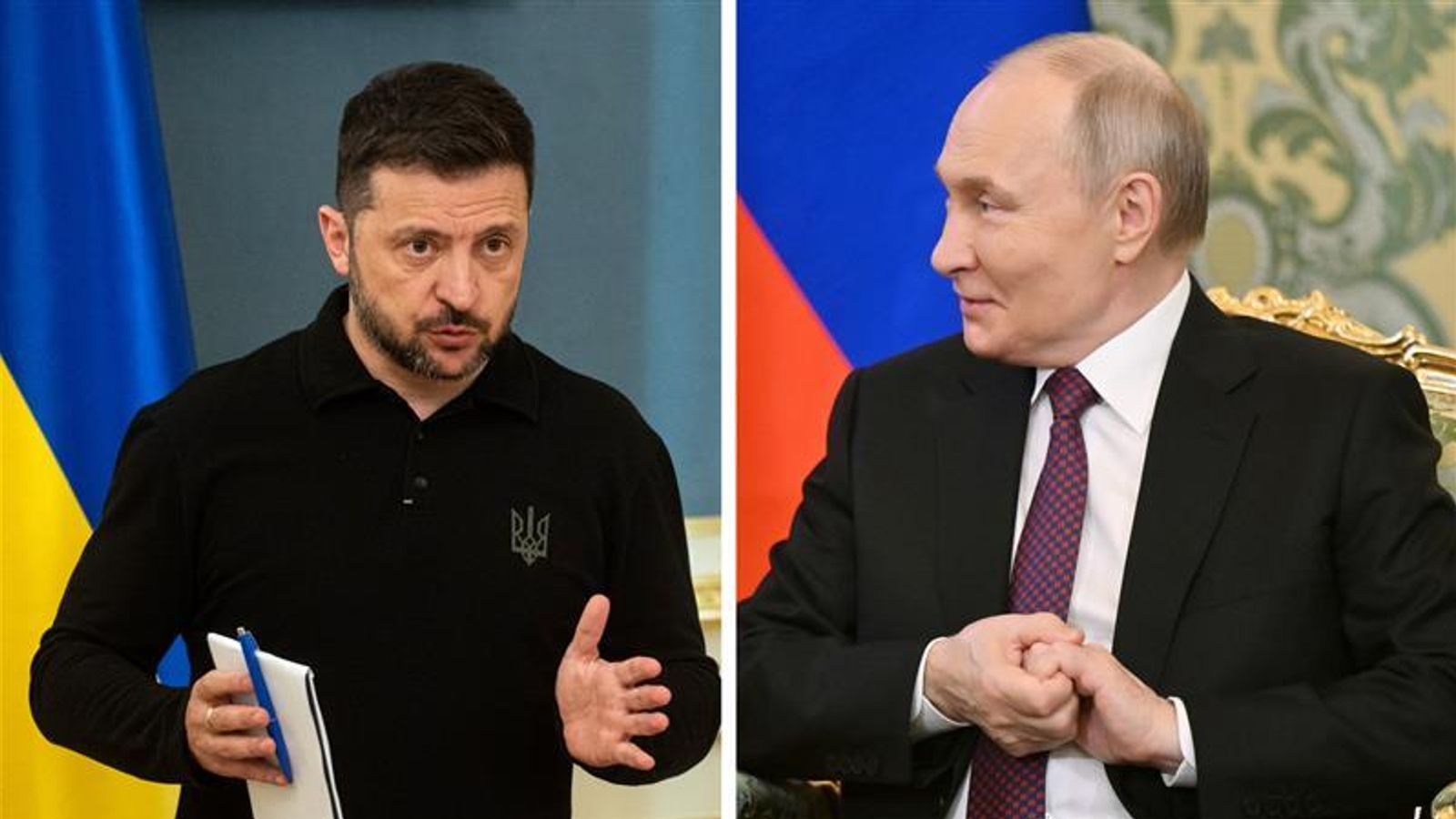
Ukraine is facing one of the most intense diplomatic pressure points since the war began, as top insiders warn President Volodymyr Zelensky that he may be forced to accept a controversial peace plan drafted by the United States or face a far harsher outcome. The proposal, reportedly containing nearly 30 major terms, demands sweeping concessions from Kyiv including territorial compromises, military restrictions, and stepping back from its goal of joining NATO.
The US administration has reportedly set a strict deadline for Ukraine to respond, turning the situation into a high-stakes countdown. For Zelensky, this moment carries enormous weight. He has described it as “one of the most difficult decisions in Ukraine’s modern history,” acknowledging that rejecting the proposal could risk losing crucial support from one of Kyiv’s strongest partners.
The plan has divided Ukraine’s leadership. Some insiders, including former presidential spokesperson Yulia Mendel, argue that waiting could push Ukraine into a worse deal. They warn that the battlefield situation remains challenging and that delays might only reduce Kyiv’s negotiating power. According to them, accepting the proposal while painful may be the only way to prevent further losses in the long run.
However, Zelensky and his core team remain cautious. They insist that any agreement must uphold Ukraine’s sovereignty and dignity. The leadership fears that certain terms of the draft plan undermine the very principles Ukrainians have fought for over the past years. Officials close to the president say that while Ukraine is open to negotiation, it cannot accept conditions that permanently weaken the nation’s security, military strength, or territorial rights.
The proposed framework reportedly requires Ukraine to give up control over contested regions, limit the size and capabilities of its armed forces, and halt its ambitions of joining NATO. In return, Russia would agree to partial troop withdrawals and receive steps toward the easing of international sanctions. Critics argue the deal heavily favors Moscow, while offering Ukraine little lasting security.
European nations are also uneasy. Several of Ukraine’s allies have expressed concern that the plan was drafted without full coordination with European partners. Many believe that any sustainable peace must respect Ukraine’s territorial integrity and must not reward aggression. Meanwhile, Russia appears to view the proposal as an opportunity to secure concessions it has long demanded.
For ordinary Ukrainians, the situation is deeply emotional. After years of war, loss and destruction, the country is exhausted yet determined. Families displaced by conflict, soldiers on the frontline, and civilians living under daily threats all understand that the decision made in the coming days may shape Ukraine’s future for decades.
As winter approaches and fighting intensifies in some regions, the timing of the peace proposal has added urgency. The government is reviewing alternatives, seeking modifications, and exploring whether the offer can be reshaped into something more balanced. But with the deadline approaching rapidly, Ukraine faces a choice that blends political survival, national identity and international pressure. This is not just a diplomatic struggle, it is a defining moment that could determine Ukraine’s long-term security, international alliances and place on the global stage.