
|
Getting your Trinity Audio player ready...
|
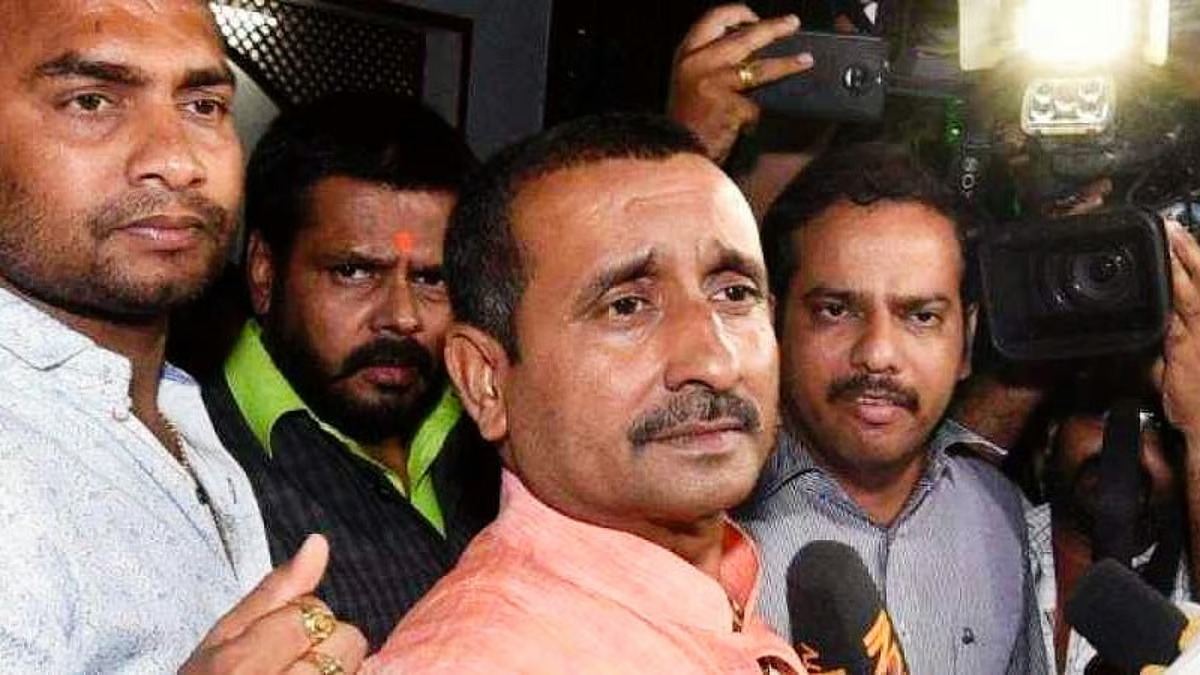
The recent suspension of the life sentence of former MLA Kuldeep Singh Sengar in the high-profile Unnao rape case has reignited nationwide outrage and reopened painful conversations about justice, accountability, and the safety of survivors in India. The court’s decision to suspend his sentence while his appeal remains pending has left many disturbed, questioning the direction in which the justice system is headed when it comes to crimes of sexual violence.
The Unnao case, which shook the conscience of the nation, involved the rape of a minor girl in 2017 by a powerful political figure. The case also witnessed a series of deeply troubling events, including the custodial death of the survivor’s father, alleged intimidation, and repeated threats faced by the victim’s family. After a prolonged legal battle, Sengar was convicted and sentenced to life imprisonment, a verdict that was widely seen as a rare moment of accountability in cases involving influential accused.
However, the suspension of his sentence has undone much of that sense of closure. The court cited procedural grounds, including the time already spent in custody and the pendency of the appeal, while imposing certain restrictions on Sengar. Yet, legal experts and women’s rights advocates argue that such reasoning risks diluting the seriousness of crimes involving sexual assault, especially when the survivor is a minor.
The decision has had a profound emotional impact on the survivor and her family. They have expressed fear, anguish, and a deep sense of betrayal, stating that the order threatens not only their safety but also their faith in the justice system. For them, the release of a convicted individual even temporarily reopens old wounds and revives the trauma they have lived with for years.
Critics of the ruling argue that the suspension reflects an overly technical interpretation of law, one that prioritizes procedure over the lived reality of survivors. They warn that such decisions could discourage other victims of sexual violence from coming forward, reinforcing a culture of silence driven by fear, power imbalance, and prolonged legal battles.
The case has also triggered political and civil society reactions, with many leaders and activists questioning whether influential convicts are treated differently within the system. There is growing concern that leniency in such cases sends a dangerous message—that even convictions in grave crimes can be temporarily set aside, regardless of the broader social consequences.
Authorities have indicated that the suspension will be challenged before the Supreme Court, keeping the legal battle far from over. As the case moves to the country’s highest court, it once again places the spotlight on the delicate balance between legal rights of the accused and the fundamental need to protect survivors and uphold public confidence in the justice system.
Beyond legal arguments, this moment forces society to confront uncomfortable questions. What does justice truly mean for survivors of sexual violence? How do we ensure that legal processes do not become sources of renewed trauma? And most importantly, where are we heading as a society if decisions like these leave survivors feeling unsafe even after a conviction? The Unnao case is no longer just about one verdict or one individual. It has become a mirror reflecting the cracks in a system that survivors depend on for dignity, safety, and hope. The coming days will be crucial not just for the outcome of this case, but for the message it sends to millions who look to the law for protection.