
|
Getting your Trinity Audio player ready...
|
Muscat, Oman:
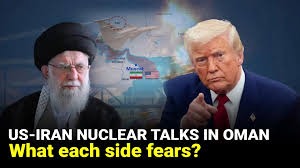
In a significant diplomatic development, senior officials from the United States and Iran have resumed nuclear negotiations in Oman, marking one of the most critical engagements between the two rivals in recent months. The talks come at a time of heightened regional tension, military posturing, and growing global concern over the future of Iran’s nuclear programme and stability in the Middle East.
The discussions, held behind closed doors in the Omani capital, signal a cautious return to diplomacy after a prolonged period of hostility and stalled communication. Both sides entered the talks aware that failure could further escalate an already volatile situation, while even modest progress could ease fears of a wider conflict.
A Volatile Backdrop to Renewed Dialogue
The negotiations unfolded against a tense geopolitical backdrop. In recent weeks, the Middle East has witnessed increased military activity, including expanded naval deployments, air patrols, and rising confrontations involving drones and surveillance aircraft. These developments have raised alarms among regional allies and global powers, who fear that miscalculation could spark direct confrontation.
For Washington, the talks are driven by concern over Iran’s advancing nuclear capabilities and the potential consequences of unchecked uranium enrichment. For Tehran, the negotiations come amid economic strain, domestic pressures, and continued international sanctions that have weighed heavily on its economy.
Both delegations arrived in Oman under strict confidentiality, underscoring the sensitivity of the discussions and the fragile nature of the diplomatic opening.
Nuclear Programme at the Center of Talks
Iranian officials made it clear that the scope of the discussions would remain limited to nuclear issues. Tehran has consistently maintained that its nuclear programme is intended for peaceful purposes, including energy generation and scientific research, and that it has no intention of developing nuclear weapons.
Iran’s negotiators emphasized that any agreement must respect the country’s right to nuclear technology under international norms. They also stressed that sanctions relief remains a central demand, arguing that economic pressure has harmed ordinary citizens rather than political decision-makers.
The United States, however, approached the talks with broader concerns. American officials have long argued that Iran’s nuclear activities cannot be separated from its missile development and regional influence. While acknowledging that the immediate talks were focused on nuclear matters, Washington signaled that long-term stability would require addressing wider security issues.
Deep Trust Deficit Between Both Sides
Despite the renewed dialogue, distrust remains deeply entrenched. Previous agreements collapsed amid accusations of non-compliance, shifting political leadership, and changing regional dynamics. Both sides remain wary of making concessions without firm guarantees.
U.S. negotiators have emphasized the need for verifiable limits on uranium enrichment and robust monitoring mechanisms. Iran, in turn, has expressed skepticism about the durability of any agreement, citing past experiences where commitments were reversed due to political changes in Washington.
This mutual suspicion has made negotiations complex and slow, with both parties proceeding cautiously to avoid domestic backlash or strategic missteps.
Oman’s Quiet Role as Diplomatic Bridge
Oman’s role as host and facilitator has been crucial. The Gulf nation has a long history of acting as a neutral intermediary in sensitive regional negotiations. Its diplomatic channels with both Tehran and Washington have enabled discreet engagement at moments when direct talks were politically difficult.
Officials familiar with the process described the atmosphere as serious but measured. While no immediate breakthrough was announced, both sides reportedly agreed that maintaining dialogue was preferable to escalating rhetoric or military action.
The decision to hold talks in Oman reflects a shared understanding that neutral ground is essential for rebuilding trust, however slowly.
Military Pressure Looms Over Diplomacy
The talks took place amid continued military pressure in the region. The United States has reinforced its presence in strategic waterways, signaling readiness to protect its interests and allies. Iran, meanwhile, has continued military exercises and warned against any external aggression.
This dual track of diplomacy and deterrence has shaped the negotiations. While both sides publicly express commitment to dialogue, neither has ruled out the use of force if core interests are threatened.
Analysts note that this combination of pressure and negotiation reflects a familiar pattern in U.S.-Iran relations, where diplomacy often unfolds under the shadow of potential conflict.
Domestic Pressures Shape Negotiating Positions
Domestic politics play a significant role in shaping both sides’ strategies. In Iran, economic hardship and public dissatisfaction have increased pressure on leaders to seek sanctions relief and economic stability. However, national pride and resistance to perceived foreign coercion limit how far negotiators can compromise.
In the United States, the administration faces scrutiny from lawmakers who demand a tough stance on Iran. Any agreement perceived as weak or overly accommodating could face political resistance at home.
These internal constraints complicate negotiations, as leaders must balance diplomatic objectives with domestic expectations.
Global Attention and Regional Anxiety
The international community is closely watching the outcome of the talks. Regional powers, particularly in the Gulf, are concerned about the implications of both failure and success. A collapse in negotiations could increase the risk of military escalation, while a deal could reshape regional alliances and security arrangements.
Energy markets have also responded cautiously, as instability in the Middle East has direct implications for global oil supply and prices. Diplomats and analysts alike agree that the talks carry consequences far beyond the nuclear file.
Uncertain Road Ahead
As the initial round of talks concluded, both sides agreed to return to their capitals for further consultations. No timeline for the next meeting was announced, underscoring the tentative nature of the process.
While expectations remain guarded, the very act of dialogue has been viewed as a positive step in an otherwise strained relationship. Whether these talks evolve into a comprehensive agreement or stall amid familiar disagreements remains uncertain.
What is clear is that the stakes are high. The outcome of these negotiations will influence not only U.S.-Iran relations but also the broader future of Middle East security and global non-proliferation efforts.
A Moment That Could Shape the Region
For now, diplomacy has reopened a narrow window of opportunity. The coming weeks will test whether both sides can move beyond decades of mistrust and find common ground on one of the world’s most complex geopolitical challenges. As tensions persist and expectations remain fragile, the world waits to see whether dialogue can prevail over confrontation.