
|
Getting your Trinity Audio player ready...
|
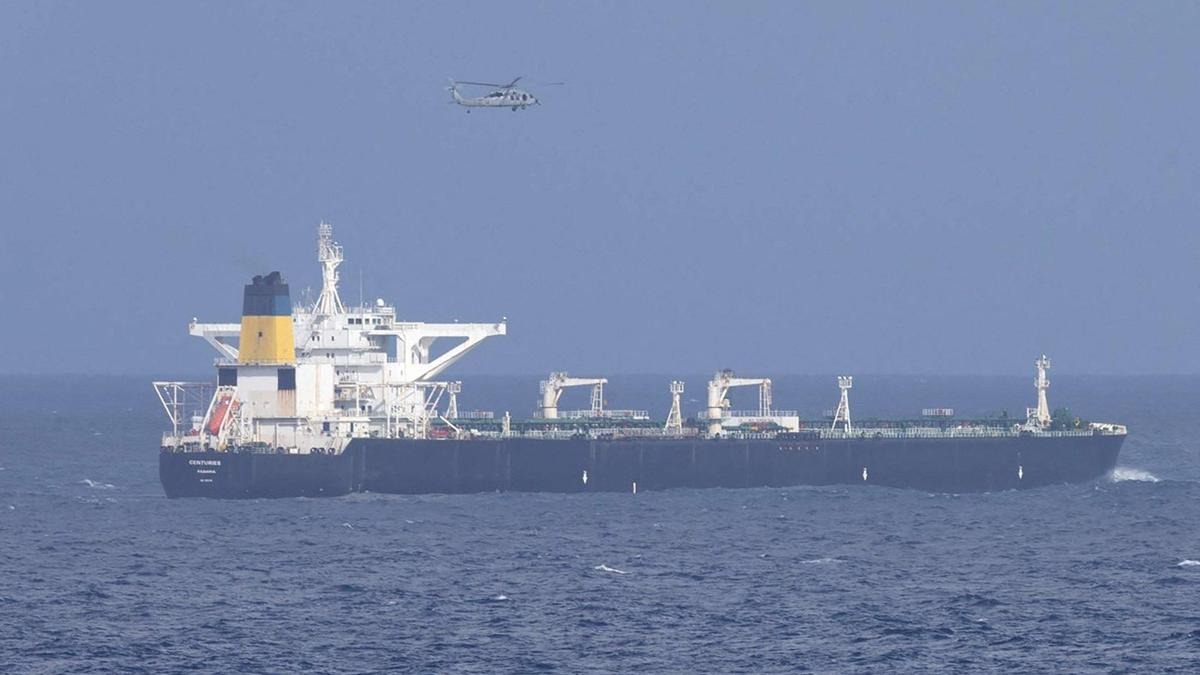
In a bold escalation of its sanctions enforcement campaign, the United States military has seized two oil tankers accused of transporting Venezuelan crude in violation of international restrictions. The dramatic operations unfolded in the North Atlantic Ocean and the Caribbean Sea, signaling a tougher U.S. stance against what it calls illegal oil trade networks linked to Venezuela.
According to officials familiar with the operation, the first tanker was intercepted in the North Atlantic after a prolonged pursuit. The vessel, which had reportedly altered its name and flag during its voyage, was allegedly attempting to conceal its true ownership and cargo origin. U.S. naval forces boarded the ship after weeks of surveillance, citing evidence that it was engaged in unauthorized transport of Venezuelan oil.
Soon after, a second tanker was seized in the Caribbean Sea. Authorities claimed the ship was navigating irregular routes to avoid detection while carrying oil tied to Venezuela’s sanctioned energy sector. The vessel was taken under control by U.S. forces and escorted for further investigation and legal action.
U.S. officials described the twin seizures as part of a broader strategy to disrupt financial lifelines that sustain the Venezuelan government. They emphasized that enforcing oil sanctions is a key component of Washington’s foreign policy, aimed at curbing revenue streams that allegedly bypass international norms and regulations.
The operation, however, has sparked sharp international reactions. Russia strongly criticized the seizure of the Russian-flagged tanker, calling the action unlawful and accusing the United States of overstepping maritime boundaries. The incident has reignited debates over freedom of navigation, the legality of ship boardings in international waters, and the growing militarization of sanctions enforcement.
Experts believe these developments could have far-reaching consequences beyond Venezuela. The aggressive enforcement measures may influence global shipping practices, raise insurance and security costs for maritime operators, and further strain relations between major world powers already locked in geopolitical rivalry.
Energy markets are also watching closely. While immediate oil prices remained stable, analysts warn that continued seizures and confrontations at sea could disrupt supply routes and add volatility to an already fragile global energy system.
As diplomatic tensions simmer and legal questions mount, the dual tanker seizures underscore a new phase in global sanctions enforcement, one where economic pressure is increasingly backed by military presence on the high seas.