

|
Getting your Trinity Audio player ready...
|
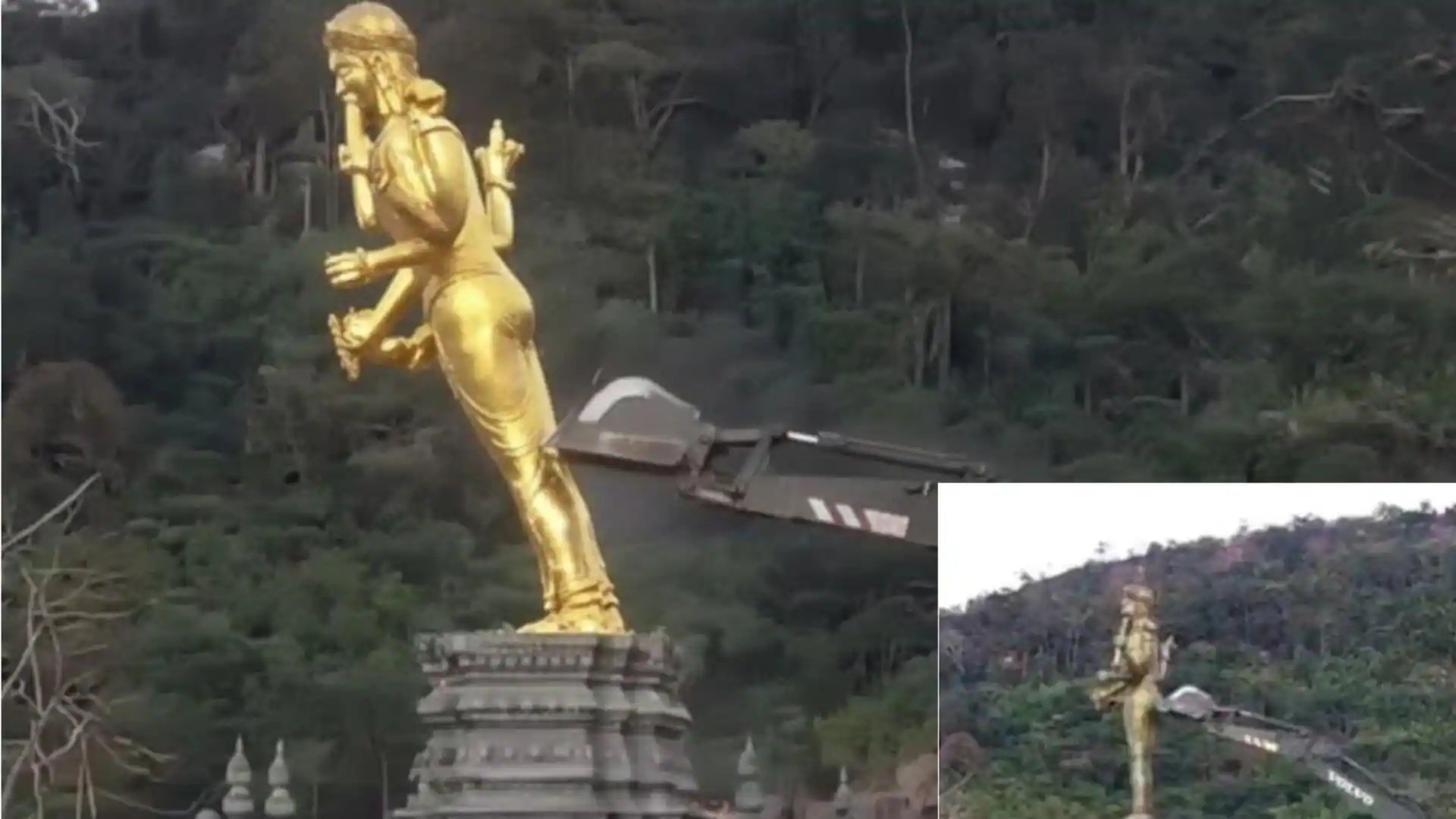
A recent incident involving damage to an idol of Lord Vishnu near the Thailand–Cambodia border has triggered widespread concern, emotional reactions, and diplomatic discussion across the region. Images showing the idol being damaged during an operation quickly spread on social media, prompting outrage among devotees and cultural observers who viewed the act as an insult to religious heritage. In response, Thai authorities have clarified that the action was driven by security considerations and not by religious intent.
According to officials, the structure was located in a sensitive border zone where tensions have remained high in recent months. Thailand stated that the operation was part of a broader security exercise aimed at managing disputed territory and reducing risks amid ongoing instability. Authorities emphasized that the idol was not a formally recognized place of worship and maintained that there was no intention to hurt religious sentiments or disrespect any faith.
Despite these assurances, the incident has sparked strong reactions from various quarters. Cultural experts and religious communities have pointed out that symbols of faith hold deep emotional value, regardless of their official status. For many, the visuals of damage to a revered deity raised concerns about the growing vulnerability of cultural and spiritual heritage during geopolitical conflicts.
Cambodian representatives have expressed their own objections, describing the idol as an important cultural symbol with historical and spiritual significance for communities in the region. The differing narratives from both sides have highlighted how disputes over territory can easily spill over into cultural and religious sensitivities, complicating already fragile diplomatic ties.
The controversy has also drawn attention from neighboring countries, with calls for restraint and mutual respect. Voices from across the region have urged both nations to ensure that religious and cultural symbols are protected, even during periods of heightened security operations. Many believe that safeguarding heritage should remain a shared responsibility, especially in areas where history and belief systems overlap.
Beyond the immediate diplomatic fallout, the episode raises deeper questions about the direction the world is heading in. In times of conflict and heightened nationalism, are cultural and religious symbols becoming collateral damage? And how can governments balance legitimate security concerns with the need to preserve respect for faith and shared history? As Thailand and Cambodia continue efforts to manage border tensions, the Vishnu idol incident stands as a reminder of how easily actions taken in the name of security can resonate far beyond their original intent. Moving forward, the challenge lies in ensuring that strategic decisions do not erode cultural respect, and that dialogue prevails over actions that risk deepening divisions.