
|
Getting your Trinity Audio player ready...
|
Bara (Nepal) / New Delhi, November 20:
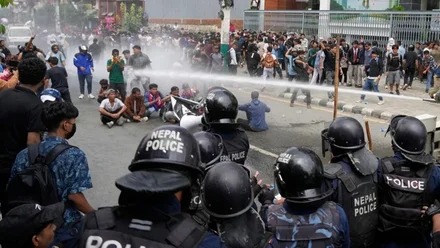
Nepal has once again been shaken by a fresh wave of youth-driven unrest after Gen-Z protestors flooded the streets of Bara district on Wednesday, forcing authorities to impose an immediate curfew in the Simara region. The situation escalated rapidly when demonstrators clashed with local workers associated with a former ruling party, raising fears of renewed instability in a region still recovering from previous violence.
The protest began as a peaceful youth rally, with young citizens demanding political accountability, justice for earlier incidents, and answers for the unaddressed tensions that have been brewing since September’s deadly unrest. However, moments after crowds grew, disagreements between protestors and political groups intensified, triggering chaos on the streets.
A Generation That Refuses to Stay Silent
Nepal’s Gen-Z population has increasingly taken centre stage in shaping the country’s political narrative. Over the past year, the younger generation has turned into a powerful force, more vocal, more politically aware, and more determined than before. Their movement draws energy from social media, where discussions, planning, and mobilisation happen at lightning speed.
Many young participants say they are frustrated with slow government responses, lack of transparency, and limited opportunities for growth. For them, these protests are not just about one incident, they represent deeper concerns about leadership, accountability, and the future direction of the country.
Simara Still Healing From Past Unrest
This region has been on edge since the violent clashes in September, which resulted in several deaths and widespread panic. Wednesday’s protests have revived painful memories for residents, who fear the possibility of another wave of chaos. Local shops shut down early, schools cancelled sessions abruptly, and families stayed indoors after the curfew announcement.
Security personnel have been deployed across sensitive locations, and authorities say that the restrictions will remain until peace is restored. Officials have urged people to avoid large gatherings and remain cautious as the situation continues to evolve.
A Story Echoing Across South Asia
The rise of politically active youth is not confined to Nepal alone. Across South Asia, Gen-Z voices have become stronger challenging outdated systems, demanding performance from leadership, and reshaping how political conversations happen. What’s currently unfolding in Bara reflects a much larger generational shift across the region.
India is closely monitoring events, especially due to the shared open border and the implications such unrest can have on migration, trade routes, and local security coordination.
What Lies Ahead
Government officials are expected to hold emergency discussions to review the situation and plan next steps. Meanwhile, youth groups have indicated that demonstrations may continue if their demands remain ignored. Residents remain anxious, unsure of how long restrictions will last or whether tensions will rise again. For now, Bara district stands at a sensitive point caught between a determined young population seeking answers and a political system struggling to maintain stability.