

|
Getting your Trinity Audio player ready...
|
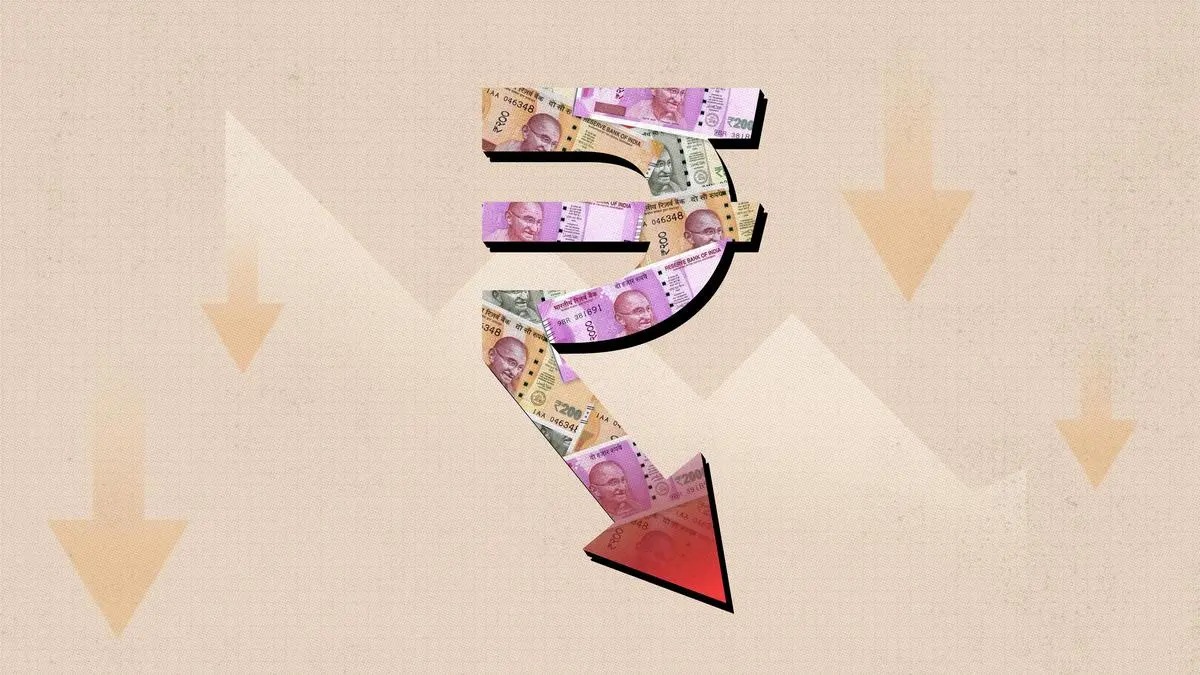
The Indian rupee is expected to remain under sustained pressure well into 2026, with market projections indicating that the currency may continue trading above the psychologically crucial ₹90-per-dollar mark for an extended period. Analysts tracking foreign exchange movements believe the rupee’s weakness is not temporary but part of a longer structural phase driven by both global and domestic factors.
According to the latest market outlook, the rupee could gradually slide further and hover close to ₹90.80 against the US dollar by the third quarter of 2026. This projected decline reflects persistent challenges such as strong import demand, a widening trade imbalance, and limited support from long-term capital inflows. Despite occasional short-term recoveries, the overall trajectory suggests continued depreciation rather than a sharp rebound.
In recent months, the rupee has already crossed historic lows, breaching the ₹90-per-dollar level amid heightened dollar demand. A stronger US currency, combined with rising global uncertainty and domestic economic pressures, has intensified selling pressure on the Indian unit. Currency traders note that the rupee’s weakness is not isolated to the dollar alone but is also visible against other major global currencies.
The outlook suggests that the rupee may underperform against the euro, Japanese yen, and Chinese yuan as well. Analysts attribute this broader weakness to unexpected foreign exchange outflows, which have exceeded earlier estimates and reduced market confidence in near-term currency stability.
One of the key factors weighing on the rupee is India’s current account deficit, which is projected to widen to around 1.5 percent of the country’s gross domestic product. A higher current account deficit signals increased dependence on foreign capital, putting additional strain on the domestic currency as demand for foreign exchange rises.
Another major concern highlighted by analysts is muted foreign direct investment inflows. FDI plays a crucial role in supplying stable foreign currency to the economy, and any slowdown reduces support for the rupee. With global investors adopting a cautious stance, capital inflows may remain insufficient to offset growing import bills and external obligations.
The Reserve Bank of India is expected to continue intervening in the foreign exchange market to manage volatility and prevent sharp, disorderly movements in the rupee. While such interventions can smooth short-term fluctuations, experts caution that they may not be enough to reverse the broader weakening trend unless underlying economic fundamentals improve.
External risks also loom large. Any escalation in global trade tensions or delays in key trade agreements could further worsen currency sentiment. Analysts warn that failure to secure favorable trade arrangements may add to pressure on the rupee, reinforcing expectations of prolonged weakness. Overall, the outlook points to a challenging phase ahead for the Indian rupee. While policy measures may limit extreme volatility, market fundamentals suggest that the currency could remain under pressure through 2026, making currency stability a key area to watch for businesses, investors, and policymakers alike.