
|
Getting your Trinity Audio player ready...
|
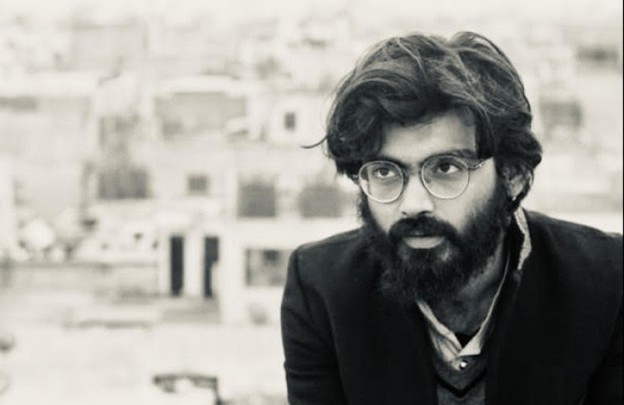
More than five years after the violent clashes that shook northeast Delhi in 2020, the continued detention of activists Umar Khalid and Sharjeel Imam has once again brought India’s criminal justice system under intense public and political scrutiny.
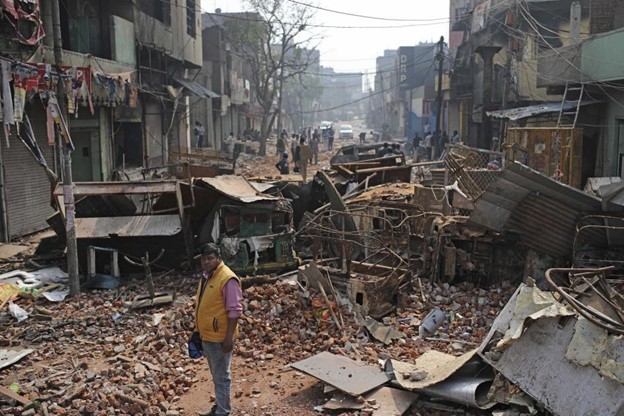
The two remain in jail in connection with the larger conspiracy case linked to the Delhi riots, which erupted amid nationwide protests against the Citizenship Amendment Act. The violence claimed over 50 lives, injured hundreds, and left entire neighbourhoods scarred by arson, fear, and displacement. Authorities described the unrest as one of the most serious episodes of communal violence in the capital in decades.
Khalid and Imam were arrested under stringent provisions of the Unlawful Activities (Prevention) Act, with investigating agencies alleging that they played a central role in planning and mobilising protests that later escalated into violence. Prosecutors have consistently argued that their speeches, meetings, and coordination efforts formed the backbone of a larger conspiracy aimed at destabilising public order.
Recently, India’s Supreme Court of India declined to grant them bail, even as several other co-accused in the same case were released. The court made it clear that prolonged incarceration alone cannot be the sole ground for bail in cases involving serious charges related to national security and public order. Judges observed that Khalid and Imam stand on a different footing compared to others, citing the nature of allegations and the prosecution’s claim of their “formative role” in the alleged conspiracy.
The ruling has reignited a nationwide debate on the balance between state security and individual liberty. Supporters of the two activists argue that keeping them behind bars without the trial reaching a conclusion undermines the principle of “bail, not jail” and raises concerns about the use of anti-terror laws in protest-related cases. Legal experts point out that trials under special laws often move slowly, leading to years of imprisonment before guilt or innocence is established.
On the other hand, government representatives and prosecutors maintain that the charges are grave and cannot be treated lightly. They argue that releasing key accused could influence witnesses, affect the integrity of the trial, and weaken the state’s ability to deal with organised violence. From their perspective, the law must prioritise public safety over individual claims of hardship.
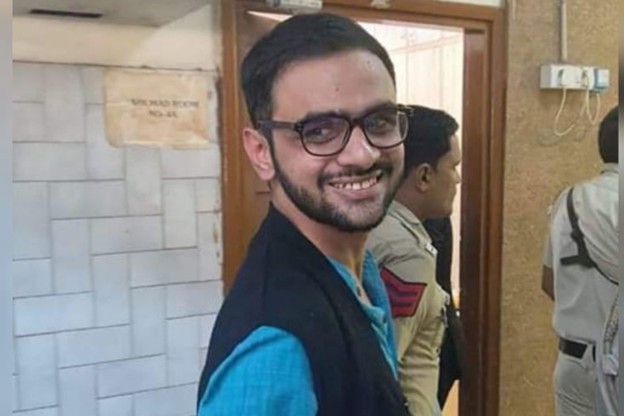
International human rights groups and civil liberties advocates have also expressed concern, urging Indian authorities to ensure fair and speedy trials. While such reactions have drawn global attention, Indian courts have maintained that decisions are based strictly on available evidence and legal thresholds laid down by law.
For families of the accused, the case has turned into a prolonged emotional and legal struggle. Close associates of Khalid and Imam have repeatedly said that years spent in prison without conviction have taken a heavy personal toll, even as both continue to assert their innocence.
As the trial inches forward, the Delhi riots case remains a powerful symbol of India’s ongoing struggle to reconcile dissent, democracy, and security. Whether the continued incarceration of Umar Khalid and Sharjeel Imam will withstand future legal challenges is a question that continues to divide opinion in courtrooms, on the streets, and across the nation.