
|
Getting your Trinity Audio player ready...
|
New Delhi / Kolkata | March 2, 2026
Something very significant just happened in West Bengal’s political landscape, and most people have not caught up to it yet.
The Election Commission of India published the final electoral roll for West Bengal on Saturday after completing its Special Intensive Revision exercise, and the numbers that came out of it are unlike anything the state has seen in a long time. Over 64 lakh names have been removed from the voter list. Another 60 lakh are sitting in a legal holding pattern, their eligibility being decided by courts. And the state’s total electorate has shrunk from 7.66 crore to 7.04 crore in a single revision cycle.
That is not a routine update. That is a fundamental restructuring of who votes in Bengal in 2026.
How Did We Get Here
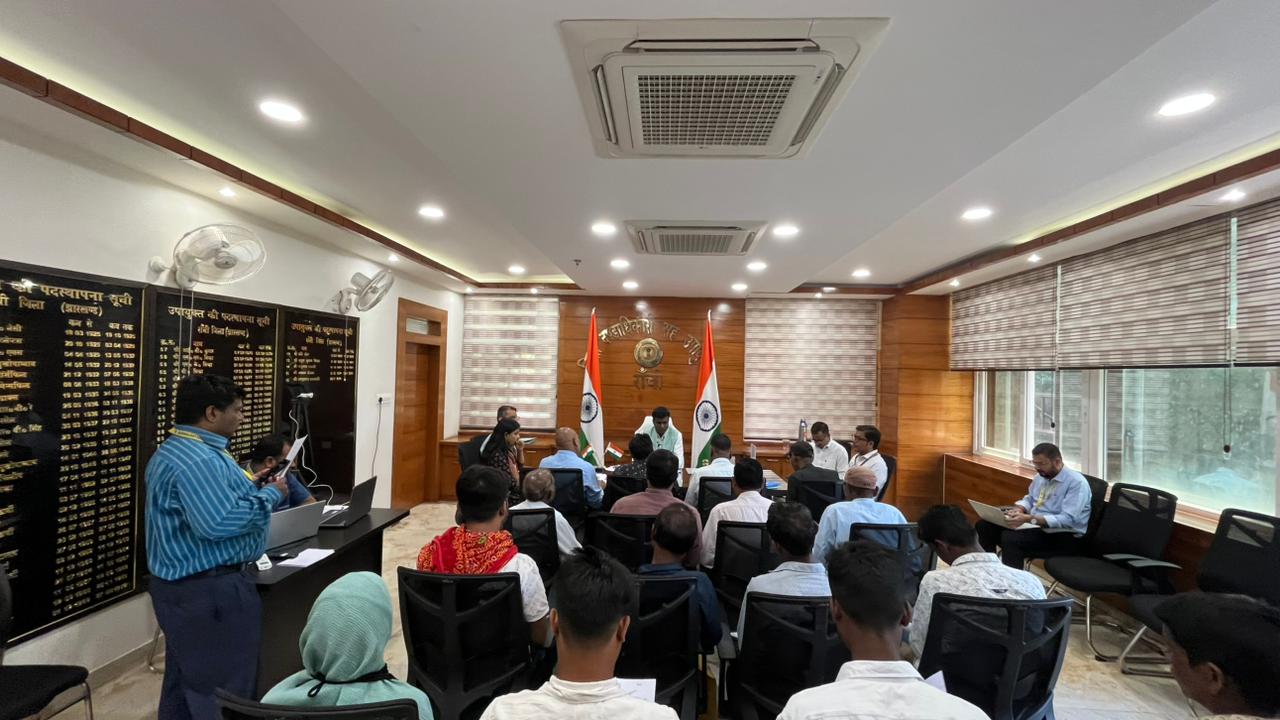
The Special Intensive Revision, referred to simply as SIR throughout the exercise, began in November 2024. Booth Level Officers were deployed across every constituency in the state, going door to door, cross-checking voter data against documents, and flagging entries that did not add up. The process was methodical, but from the beginning it was politically charged.
Chief Minister Mamata Banerjee had publicly warned that the SIR would lead to mass deletions and that genuine voters would be wrongly removed. Her government’s friction with the Election Commission over the exercise grew serious enough that the Supreme Court had to step in, directing that judicial officers be appointed to independently verify disputed entries rather than leaving those decisions entirely to election officials. The court cited what it called a “trust deficit” between the state administration and the Commission as the reason for the intervention.
When the draft list was released on December 16, 2025, it already showed 58.20 lakh deletions. The final list, published on March 1, added another 5.46 lakh removals through the formal Form 7 objection process, bringing the cumulative total to 61.78 lakh.
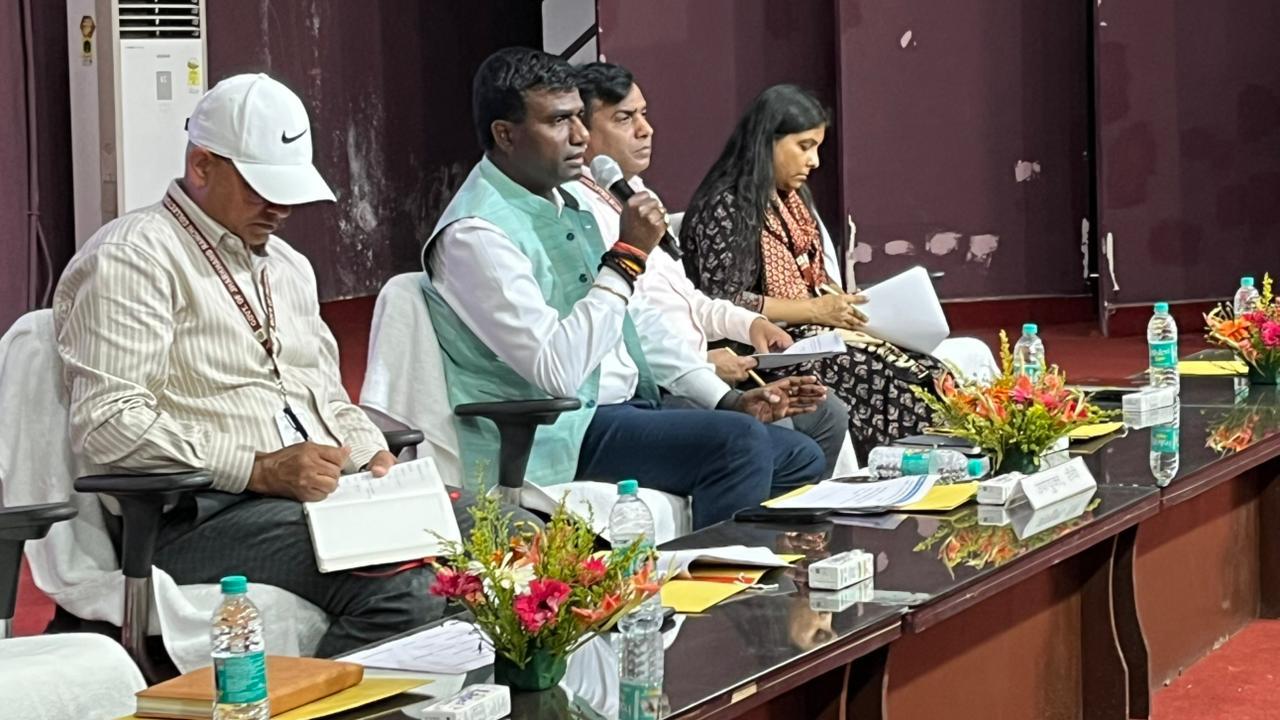
Chief Electoral Officer Manoj Kumar Agarwal confirmed the figures at a press conference, stating that the pre-SIR voter count of 7,66,37,529 had been reduced to a final approved figure of 7,04,59,284, a decrease of just over 8 percent.
The 60 Lakh Question
The deletion numbers alone would be significant enough. But the more complicated story is the 60 lakh voters whose names did not get deleted but did not get confirmed either.
These are voters whose entries in the rolls were flagged for what officials called “logical discrepancies,” inconsistencies between their voter data and supporting documents that could not be resolved during the field verification process. Rather than removing them outright or approving them without scrutiny, the Election Commission referred their cases to civil judges for adjudication under the framework set up after the Supreme Court intervention.
Agarwal put the number of voters still under judicial review at 60.06 lakh as of the final list publication. Their names are technically still on record, but their status as confirmed electors will only be settled once the courts work through their cases. Judges from neighboring states including Jharkhand and Odisha were brought in to help manage the volume, which reportedly ran to around 80 lakh total claims and objections at its peak.
For those 60 lakh people, the situation is uncertain. Whenever a judicial officer clears an individual as genuinely eligible, their name will be added to supplementary lists. But there is no fixed timeline for when that process will complete.
What the Deletions Actually Reflect
The breakdown of why names were removed says something honest about the ground reality in West Bengal. Of the 58.20 lakh deletions from the draft stage, 24.16 lakh entries belonged to people recorded as deceased. Another 19.88 lakh were classified as shifted, meaning the voter had moved out of the constituency or the state entirely. Then came 12.20 lakh who were marked absent, meaning officers simply could not find them during house visits. Duplicates accounted for 1.38 lakh entries, and the remaining 57,604 were removed for other reasons.
The nearly 20 lakh people classified as shifted is the number that stands out most starkly. West Bengal has one of the largest outmigration rates in the country. Workers leave for cities across India and rarely think to update their voter registration. For years, those names stayed on the rolls untouched. The SIR has finally quantified that invisible population, and the number is enormous.
Where the Burden Is Concentrated
The 60 lakh cases under judicial review are not evenly spread across the state. North 24 Parganas accounts for 5.90 lakh pending cases. South 24 Parganas has 5.20 lakh. West Midnapore has around 1 lakh, East Midnapore roughly 80,000, and the two Kolkata districts together account for another 1.38 lakh cases in adjudication.
These happen to be some of the most politically sensitive and densely populated constituencies in the state. The outcome of judicial review in North and South 24 Parganas alone could add back over 11 lakh voters to the final supplementary list, which would have a meaningful impact on constituency-level numbers in 2026.
The 15-Day Window That Most People Do Not Know About
For voters whose names were removed through the formal Form 7 process after the draft list, the Commission has kept an appeal mechanism open. An affected voter can file a challenge first with the District Electoral Officer, and if that is not resolved satisfactorily, a further appeal can go to the Chief Electoral Officer. The window for initiating this is 15 days from the publication of the final list.
Agarwal was straightforward about the limitation: the Form 6 application required for restoration cannot be filed by a family member. The individual themselves must apply. That requirement alone could be a barrier for voters who are traveling for work, hospitalized, or in rural areas with limited access to election offices. The 15-day clock is tight under the best circumstances.
The Commission has said it will continue awareness efforts, but the responsibility ultimately falls on the citizen to act.
How to Check If Your Name Is Still There
The Commission has provided multiple ways to verify voter status. Online, voters can search at voters.eci.gov.in using their EPIC number or name, selecting West Bengal and the 2026 final roll. The state portal at ceowestbengal.wb.gov.in also has a voter search function. The ECINET mobile app provides the same functionality for those on smartphones. For voters without internet access, the rolls are available at district election offices, BDO offices, SDO offices, and DM offices across the state.
The Commission stated that soft copies of the final list have already been shared with all registered political parties in West Bengal.
The Political Context
It would not be accurate to present this story as purely administrative. The SIR has been politically contested from its inception.
Mamata Banerjee had projected a deletion figure of up to 1.2 crore voters at various points, framing the exercise as an attempt to disenfranchise communities that tend to vote for Trinamool Congress. The final number, while large, came in below her projection. Opposition leader Suvendu Adhikari responded to the list’s publication by claiming that the revised rolls would hurt Trinamool’s prospects in 2026, and went as far as to suggest that Mamata’s own Bhabanipur constituency would not have sufficient remaining voters for her to retain the seat.
Both claims are political in nature and have not been verified independently. What is clear is that with the 2026 Assembly elections now firmly on the horizon, control over who is and is not on the voter list has become as contested as any policy question in the state.
What Comes Next
The final voter roll published on March 1 is not the last word. Supplementary lists will follow as the 60 lakh judicial adjudications are resolved. The Commission has acknowledged that an exercise of this scale will carry some margin of error and said corrective action is ongoing.
The larger question is whether the appeal process can reach people who may not be aware their names are missing, within the window available. In previous elections, voter list errors have tended to surface on polling day itself, when nothing can be done. Anyone in West Bengal with any doubt about their electoral status should check now, while there is still time to act.