
|
Getting your Trinity Audio player ready...
|
New Delhi | September 2025
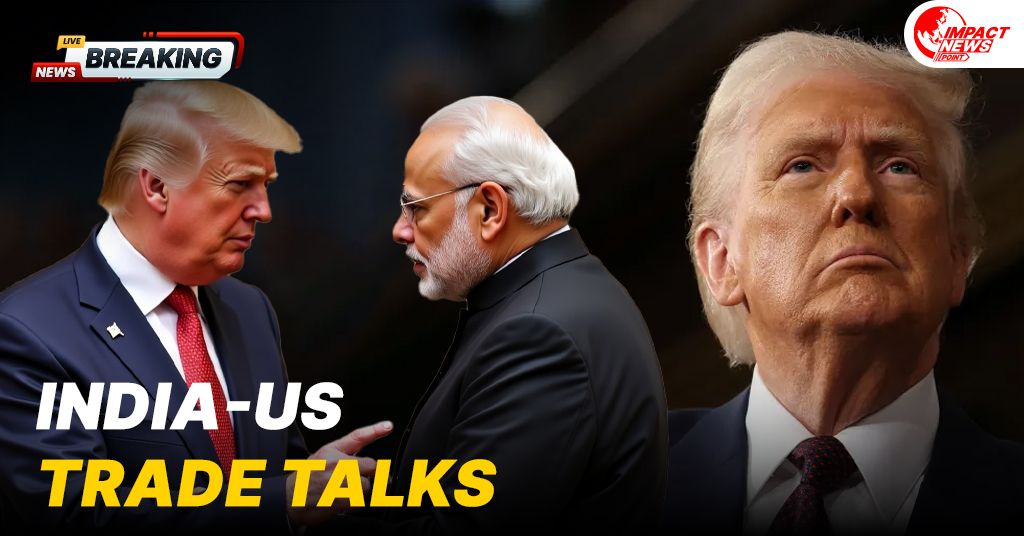
After months of uncertainty and trade tensions, India and the United States have described their latest round of discussions as “positive” and “forward-looking.” The talks, held in Washington, focused on reducing tariff disputes, expanding market access, and setting the stage for a deeper economic partnership between the two democracies.
The Backdrop: Tariffs and Tensions
The trade relationship between India and the U.S. has often been described as both vital and volatile. Recent tensions escalated after former U.S. President Donald Trump suggested higher tariffs on Indian exports, including textiles, steel, and pharmaceuticals.
For India, these proposed tariffs threatened billions in exports and risked straining ties with one of its largest trading partners. For the U.S., India’s protective tariffs on agricultural products and tech imports had also been a sticking point.
What Changed in the Latest Talks
According to officials on both sides, the latest discussions went beyond past disputes.
- The U.S. trade team acknowledged India’s concerns on tariffs and assured no sudden moves that would destabilize exports.
- India agreed to consider greater market access for U.S. agricultural goods and tech services.
- Both sides emphasized building a “future-ready” trade framework that supports supply chains, green energy, and digital trade.
Why This Matters
Trade between India and the U.S. is already worth over $200 billion annually. The U.S. is India’s largest export market, especially for IT services, textiles, and pharmaceuticals, while India imports defense equipment, tech products, and agricultural goods from America.
Smooth trade relations directly impact jobs, businesses, and consumer prices in both countries.
The Political Angle
The timing is crucial. With U.S. elections approaching, Washington wants to avoid economic friction with a major Asian partner. For India, which faces its own domestic challenges of inflation and unemployment, keeping export markets stable is equally important.
Experts believe that projecting economic stability and partnership also strengthens both countries’ positions against global supply chain disruptions caused by China’s slowdown and geopolitical tensions.
Looking Ahead
Both sides have agreed to set up joint working groups on:
- Digital trade and AI regulations
- Green energy and clean tech investments
- Pharmaceutical cooperation and health supply chains
If these working groups make progress, India and the U.S. could move toward a mini trade deal within the next year, laying the foundation for a comprehensive agreement in the future.
Parting Thoughts
The latest India–U.S. trade talks mark a shift in tone from confrontation to cooperation. While challenges like tariffs remain, the willingness to engage in new areas from technology to clean energy suggests both nations see more to gain by working together than by fighting trade battles.
For businesses, exporters, and consumers on both sides, this could mean less uncertainty and more opportunity in the months to come.