

|
Getting your Trinity Audio player ready...
|
Gaza and Tel Aviv A Fragile Step Toward Peace
In a long-awaited moment that has stirred cautious hope across the Middle East, Israel and Hamas have reached an agreement on the first phase of a ceasefire and hostage exchange deal. The breakthrough marks a small but powerful step toward ending one of the most intense conflicts in recent history.
The deal, confirmed by multiple mediators, was made possible after weeks of behind-the-scenes negotiations involving the United States, Egypt, Qatar, and Turkey.
According to reports, the agreement includes several key points:
- Israel will implement a 24-hour halt in military operations, allowing humanitarian access and safe passage for civilians.
- Hamas will release all remaining Israeli hostages under its control.
- In exchange, Israel will free hundreds of Palestinian prisoners and pull back troops from key areas within Gaza.
- However, some high-profile prisoners are expected to be excluded from this initial release.
The deal still awaits final approval by Israel’s cabinet, which could come within the next 24 hours. If approved, both sides are expected to begin implementing the agreement almost immediately.
Why This Deal Matters Now
The conflict between Israel and Hamas has raged for nearly two years, leaving thousands dead, entire neighborhoods in ruins, and millions displaced. International pressure has been mounting for both sides to step back and make room for peace.
For Israel, the decision reflects growing domestic and global calls to find a sustainable solution. For Hamas, the move appears to be a response to mounting humanitarian pressure and the need to rebuild its credibility after months of fighting and isolation.
World leaders and humanitarian groups have welcomed the agreement, calling it a “window of hope” for a region scarred by decades of mistrust and violence.
Challenges Ahead
While the deal represents progress, experts warn that the hardest part begins now.
- Security & Disarmament: One of the biggest challenges will be ensuring that armed activities fully stop on both sides.
- Governance in Gaza: Questions remain over who will govern Gaza after the ceasefire Hamas, the Palestinian Authority, or a joint transitional body.
- Reconstruction & Aid: Gaza faces a massive humanitarian crisis. Rebuilding infrastructure, homes, and hospitals will take years and global coordination.
- Trust & Implementation: Any delay or violation could easily collapse the fragile agreement.
This first phase is more symbolic than final but it sets the stage for further peace negotiations that could redefine the region’s future.
Voices from the Ground
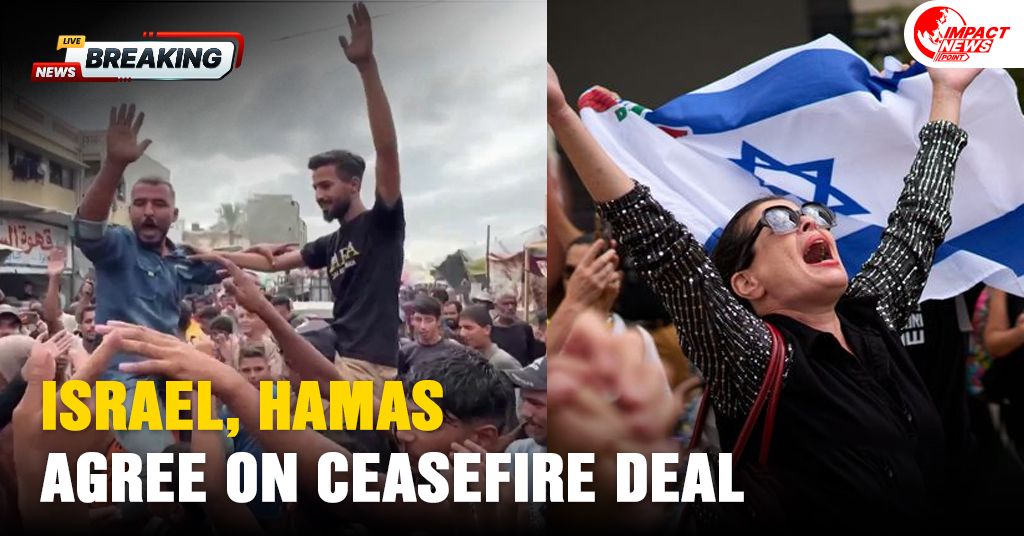
In Tel Aviv, families of hostages gathered with tears of relief and cautious hope, waiting to see if their loved ones will finally come home.
In Gaza, residents see this as a chance for survival, a pause that could allow medical aid, food, and shelter to reach those who have suffered through endless bombings.
For many, it’s not just about politics it’s about the simple wish to live without fear.
What Happens Next
In the coming hours, attention will turn to:
- The Israeli cabinet’s vote on whether to approve the ceasefire terms.
- The timeline and safety of hostage and prisoner releases.
- The entry of humanitarian aid into Gaza to assist civilians.
- The international community’s monitoring role to prevent future escalation.
If all sides honor their commitments, this could mark the beginning of a long journey toward peace fragile, uncertain, but desperately needed.
A Moment of Hope
After years of grief, broken ceasefires, and shattered trust, today’s announcement feels like the first drop of rain after a long drought. It may not end the storm, but it shows that dialogue is still possible and that even in a region scarred by decades of bloodshed, hope can still take root.