
Ranchi, March 12, 2026
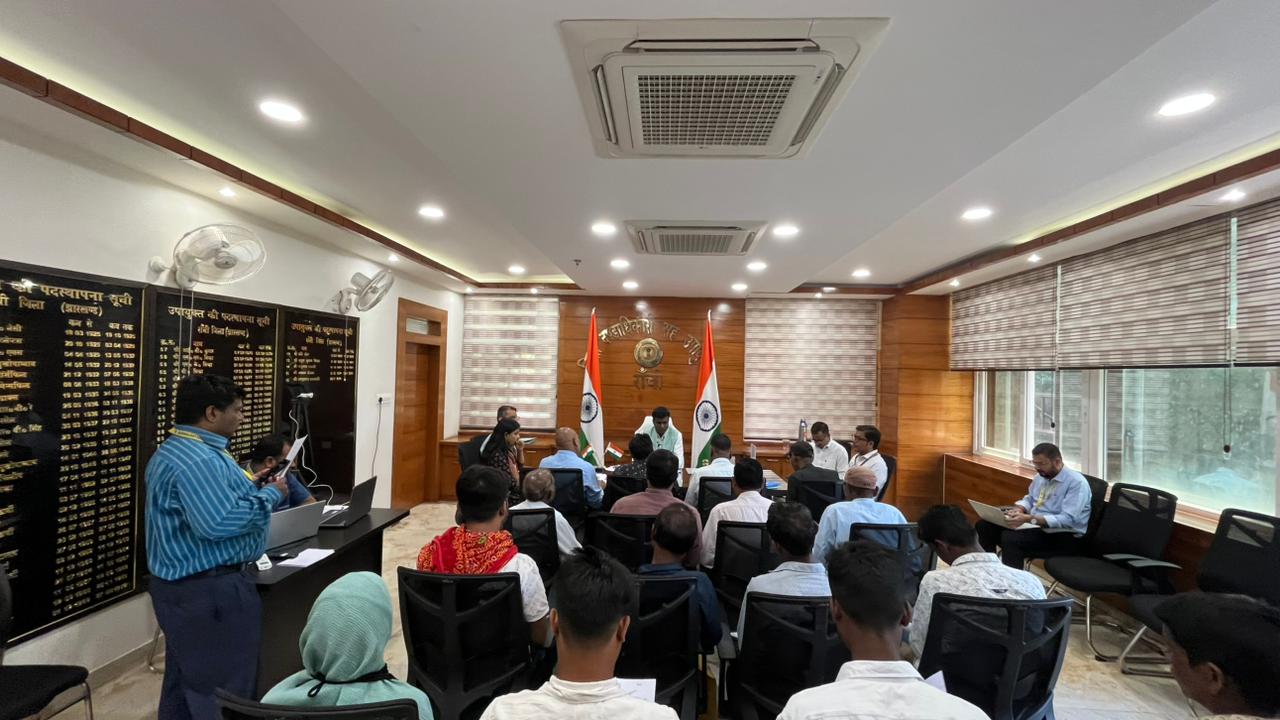
Inside the Jharkhand Legislative Assembly complex on Thursday, more than 35 Members of the Legislative Assembly sat down with UNICEF officials for a very different kind of meeting. No budget demands. No opposition protests. Just one focused question: why are girls in Jharkhand still dropping out of secondary school, and what can lawmakers do about it?
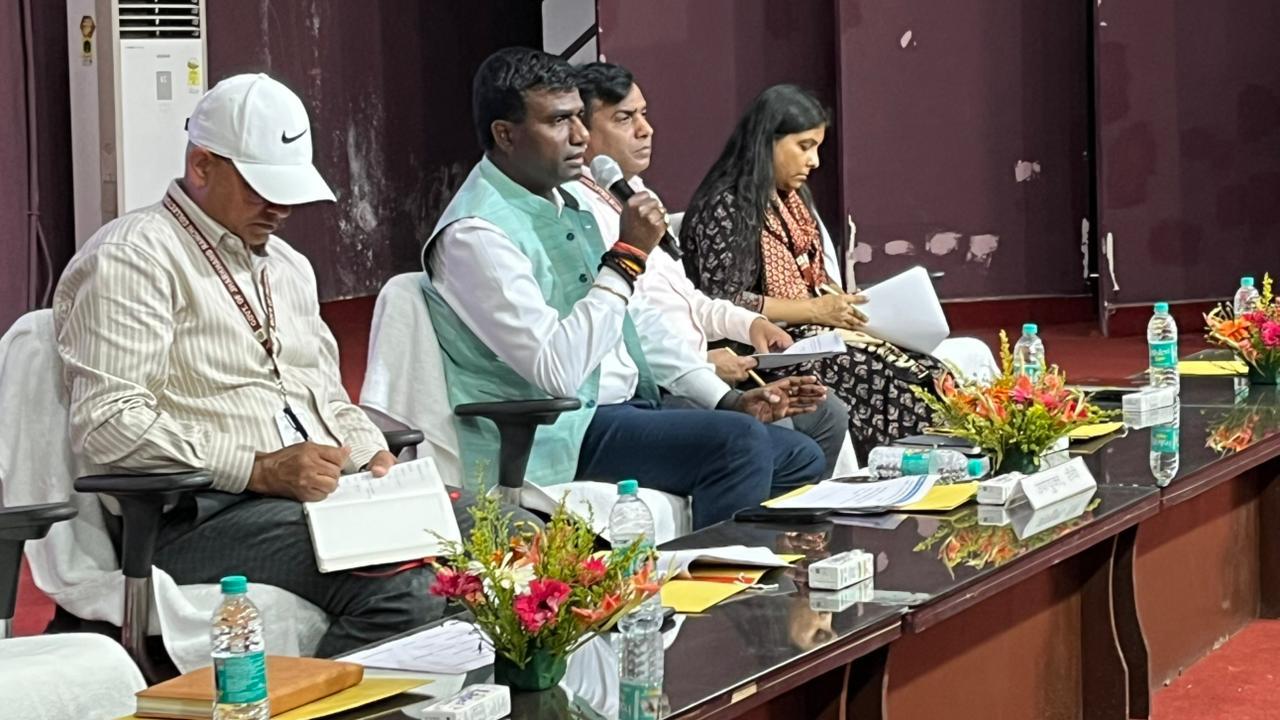
The roundtable, organised jointly by UNICEF Jharkhand and the Jharkhand Legislative Assembly, was titled “Strengthening Gender-Responsive Secondary Education.” It brought together MLAs from different political parties, senior state officials, and UNICEF specialists for a discussion on how to make sure more girls in Jharkhand complete class 10 and beyond.
Who was in the room?
Assembly Speaker Rabindra Nath Mahto attended and addressed the gathering. Health Minister Dr. Irfan Ansari was also present. More than 35 MLAs from across party lines participated, making it one of the more cross-party discussions to come out of the current budget session.
From UNICEF, the meeting was led by Dr. Kaninika Mitra, Chief of UNICEF Jharkhand. She was joined by Astha Alang, who handles communication and partnerships at UNICEF Jharkhand, and Parul Sharma, UNICEF’s Education Specialist for Jharkhand.
What the Speaker said
Speaker Rabindra Nath Mahto spoke first and set the tone for the meeting. He said that girls’ education is central to the progress of Jharkhand. When a girl finishes secondary school, he said, it does not just change her own life. It changes her family, her village, and the wider development of the state.
He also placed the responsibility clearly on the lawmakers sitting in front of him. He said that legislators have a real role to play in making this happen. That means strengthening schools in their own constituencies, pushing communities to take girls’ education seriously, and supporting efforts to make schools safer and better. He called it a shared commitment for all of them, not just a government department’s job.
What UNICEF said
Dr. Kaninika Mitra, Chief of UNICEF Jharkhand, spoke on the bigger picture. She said that investing in girls’ secondary education is one of the most powerful things any society can do. A girl who completes secondary school is more likely to be healthier, more likely to find work, and more likely to raise children who are also educated. The benefits do not stay with one person. They move through generations.
She said that making this happen will need three things working together: sustained commitment from the government, stronger partnerships between the state and organisations like UNICEF, and focused money going into the right places. She said UNICEF will keep supporting the Jharkhand government with evidence-based work and on-the-ground programmes, with special focus on the most vulnerable girls, those from tribal communities, remote areas, and families with the least resources.
What the data shows: The gap between enrolling and staying
Parul Sharma, UNICEF’s Education Specialist, presented the factual picture during the technical part of the meeting. The numbers tell a mixed story. On the positive side, more girls are enrolling in school today than ever before. That is real progress.
But enrolment is only the beginning. The bigger problem is what happens next. Many girls who enrol in secondary school do not complete it. They drop out before class 10. Even fewer move on to class 11 and 12. The gap between joining school and finishing school is where the problem lives.
Sharma said five things need to happen to close that gap. More secondary schools need to be built, especially in areas where girls currently have to travel long distances to attend. School infrastructure needs to improve, which includes proper toilets and clean water facilities for girls, something that many schools in Jharkhand still lack. Career guidance needs to be introduced so that girls and their families can see a future that education leads to. Teachers need to be recruited in sufficient numbers so that classes are not understaffed. And psychosocial support needs to be available for girls dealing with family pressure, early marriage pressure, or other personal difficulties that push them toward dropping out.
What MLAs said and what they were asked to do
The meeting was not one-way. MLAs shared their own observations from their constituencies. The barriers they described were consistent: schools are too far from home, roads are unsafe, families do not always support girls going to school, and the quality of teaching in many rural secondary schools is simply not good enough.
Astha Alang from UNICEF pressed the importance of exactly the kind of meeting that was happening in the room. She said that getting teachers, parents, government officials, and lawmakers talking together about the same problem, in the same room, is how solutions actually get built. A roundtable at the Assembly is not just symbolic. It puts the issue in front of people who have the power to allocate money, push local administrations, and change how communities think about girls’ schooling.
The session ended with a shared agreement on what needs more investment: secondary schools, teacher recruitment, career guidance for girls, and work within communities to change the social norms that still treat a daughter’s education as less important than a son’s.
Why this matters right now
Jharkhand has one of the highest tribal and rural populations in India. A large share of the girls most at risk of dropping out of secondary school belong to Scheduled Tribe and Scheduled Caste communities in remote districts. These are also the communities least served by existing school infrastructure, furthest from the nearest secondary school, and most exposed to early marriage.
The fact that this conversation happened inside the Assembly, with the Speaker presiding and MLAs from multiple parties at the table, means it has crossed from the world of NGO reports into the world of political commitment. Whether that commitment translates into budget lines, school construction approvals, and teacher postings in the months ahead is what will decide whether Thursday’s roundtable was a meeting or a turning point.
SOURCE LOG
All facts: Roundtable titled Strengthening Gender-Responsive Secondary Education, UNICEF Jharkhand and Jharkhand Legislative Assembly, held at Assembly complex March 12 2026, Speaker Rabindra Nath Mahto attended and addressed, Health Minister Dr. Irfan Ansari present, 35+ MLAs from different parties, Dr. Kaninika Mitra Chief UNICEF Jharkhand, Astha Alang Communication Advocacy Partnership Specialist UNICEF Jharkhand, Parul Sharma Education Specialist UNICEF Jharkhand, enrolment improved but retention and transition to higher secondary remain gaps, need for more secondary schools/infrastructure/WASH/career guidance/psychosocial support/teacher recruitment, Speaker’s statement girls education central to Jharkhand progress, legislators must strengthen schools in constituencies, UNICEF commitment to vulnerable communities, MLAs shared perspectives on barriers distance/social norms/safety/quality: Jharkhand State News, “UNICEF Convenes Roundtable with Legislators on Strengthening Gender-Responsive Secondary Education in Jharkhand,” March 12, 2026, jharkhandstatenews.com